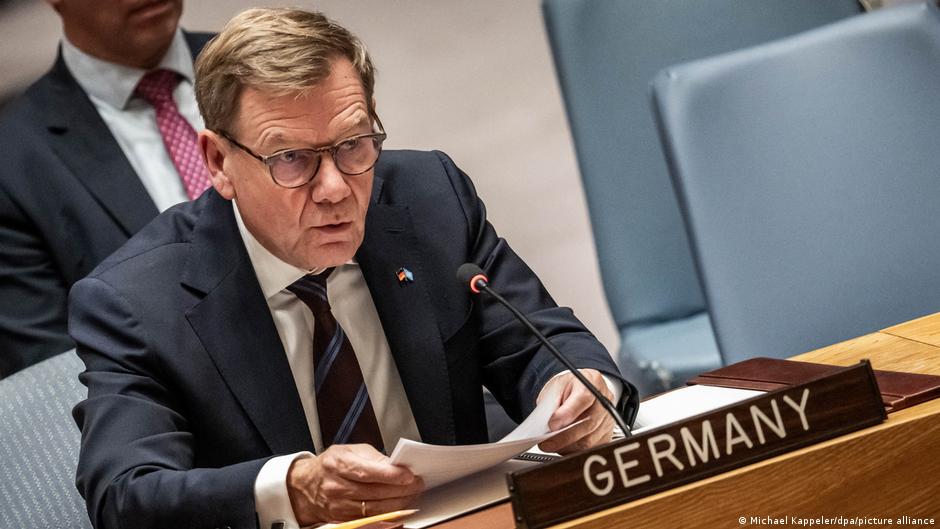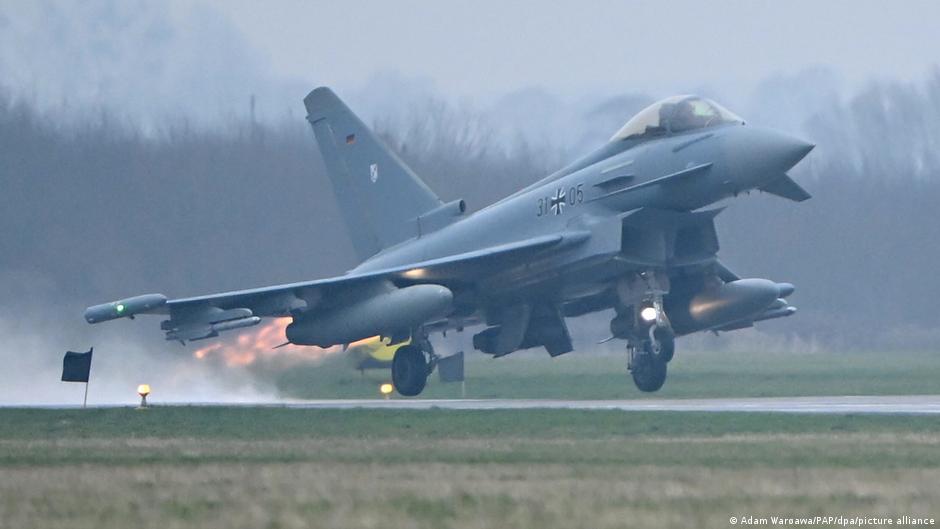
Germany Announces Record NATO Defense Spending, Impacting Household Budgets and Economy
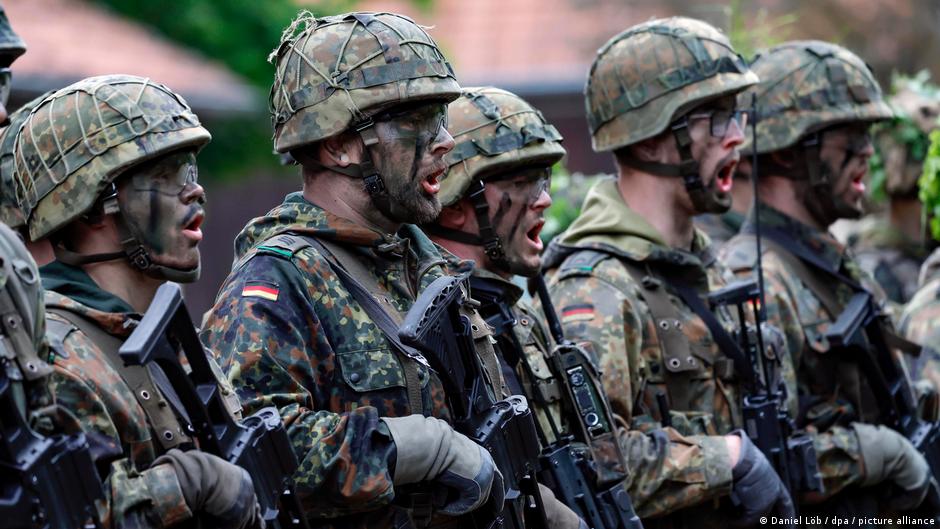
Germany plans a 25.5% defense budget increase for 2026, raising concerns over impacts on household finances, public debt, and investor markets.

Germany plans a 25.5% defense budget increase for 2026, raising concerns over impacts on household finances, public debt, and investor markets.

Germany plans a 6% increase in spending and higher borrowing in its 2027 budget, with defense costs rising sharply, raising concerns for household finances and economic growth.
Finland's removal of the nuclear weapons ban may impact national security and economic stability, influencing household budgets, savings, and currency markets.

Russian missile attacks on Kyiv following G7 aid pledges disrupt energy supplies and increase economic uncertainty for Ukrainian households and investors.

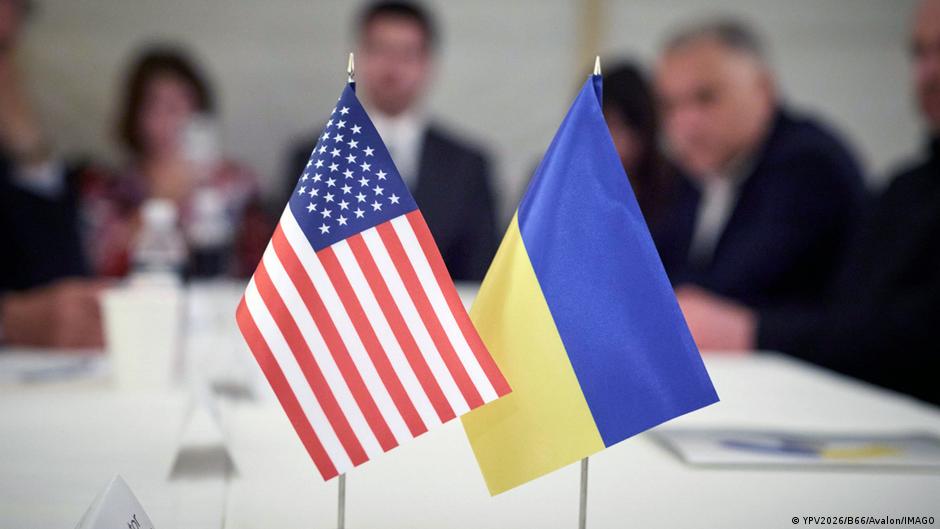
The U.S. plans to reduce its NATO fighter jets and naval presence in Europe, affecting defense budgets, currency stability, and investor outlooks across allied nations.

US Congress approved $70 billion for immigration enforcement, raising concerns about effects on household budgets, currency, and consumer finances.

Ukraine demands a ban on Russian military participation in UN missions over sexual violence allegations, escalating geopolitical tensions with economic implications for households and investors.

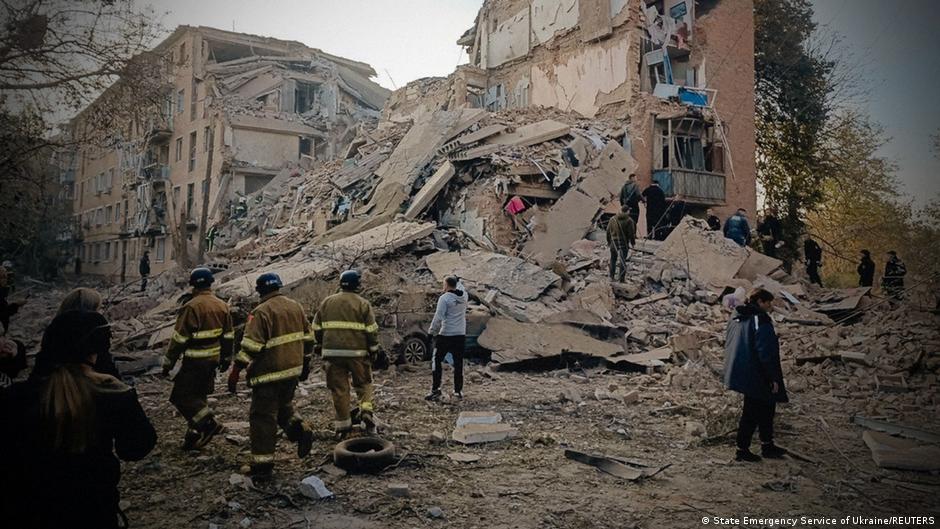
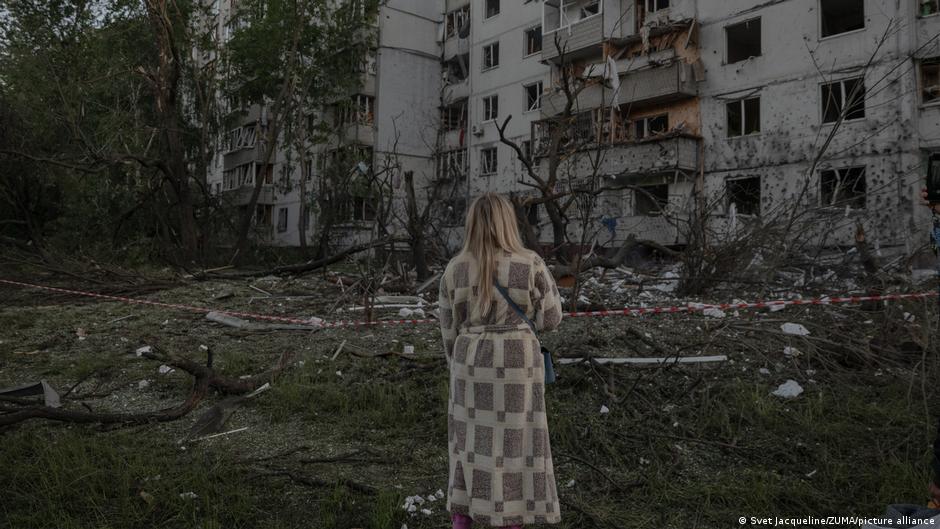
Drone attacks in Kharkiv and Odessa damaged residential buildings and injured seven people, affecting household budgets and raising concerns for local economies and personal finances.

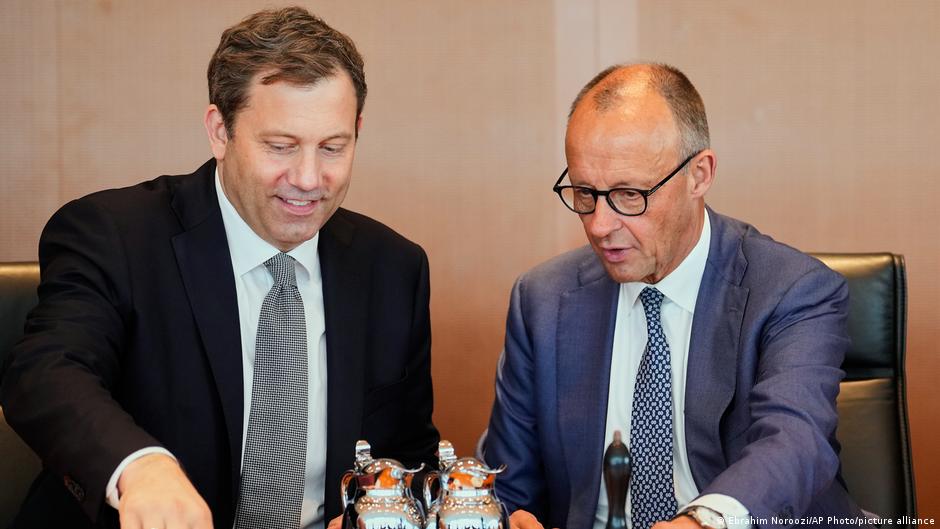
Denials of Chancellor Friedrich Merz’s early replacement ease political uncertainty, helping stabilize Germany’s economy and consumer confidence amid current challenges.

Russia’s threat to suspend duty-free gas and fuel exports to Armenia could drive up household energy costs and disrupt consumer markets amid Armenia’s EU integration efforts.

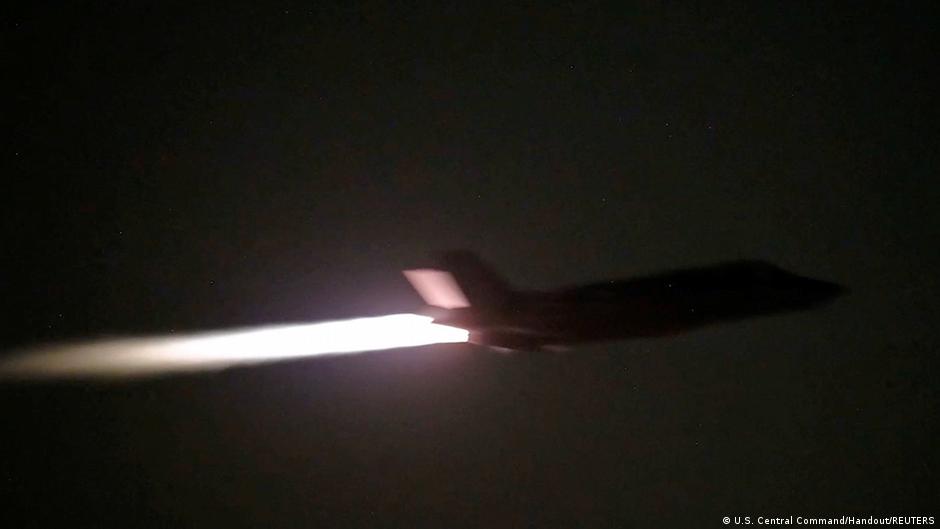
US military strikes on Iran escalate geopolitical tensions, risking volatility in markets and currencies that affect household budgets, savings, and consumer costs globally.

Russian strikes destroyed 40% of Kyiv's Chernobyl Museum exhibits, damaging cultural heritage and deepening financial challenges for Ukrainian households and investors.

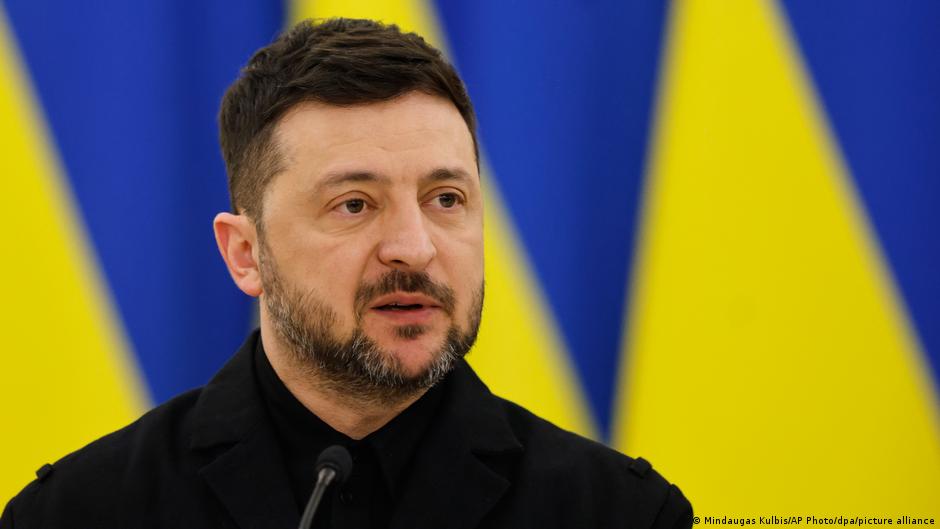
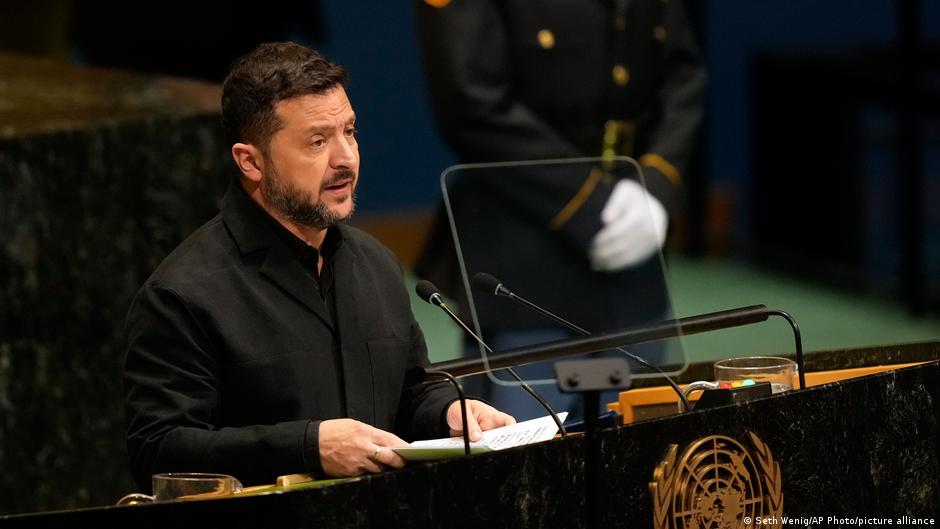
European leaders and Ukraine's Zelensky renew peace talks as the war's economic toll grows, affecting household budgets, savings, currencies, and everyday investors.

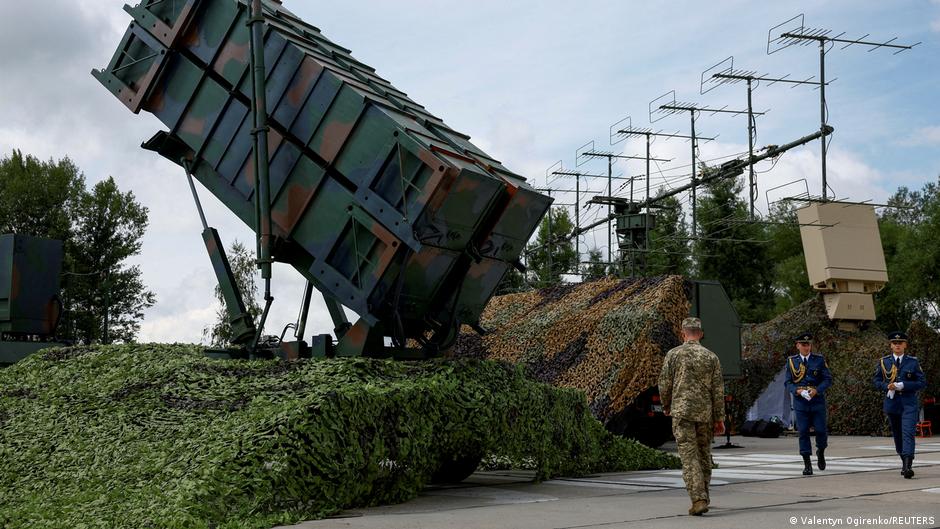
NATO confirms the steady supply of US air defense missiles to Ukraine, with implications for household budgets, government spending, and currency stability amid the ongoing conflict.

Drone and missile attacks in Odessa and Dnipro caused injuries and property damage, impacting household budgets, emergency expenses, and local economic stability.

The UK plans to raise defense spending by £18 billion, a move that could reshape government budgets and impact household finances amid political unrest.

Ukraine’s plan to supply NATO with long-range drones and missiles could reshape defense dynamics and affect household finances, currency stability, and consumer investment decisions in Europe.

The escape of Poland’s ex-justice minister to the US amid corruption charges highlights risks to currency stability and household financial confidence across Europe.

Poland's €44 billion EU loan for defense modernization raises concerns over long-term public debt and impacts on household finances and economic stability.

Uzbek banks saw a 30.88% rise in deposits in Q1 2026, with corporate and retail savings fueling growth and boosting confidence in the financial sector.

The US approved a $373.6 million sale of precision bomb kits to Ukraine, impacting defense budgets, inflation, currency markets, and investors in aerospace sectors.

US delays in arms shipments to Europe due to Iran conflict strain defense budgets, impacting household finances, currency stability, and investor confidence across allied nations.

The Central Bank keeps interest rates at 14% due to persistent food price inflation and external risks, impacting household budgets and savings strategies.

Poland and France are jointly developing a military satellite to secure Poland’s defense communications, reflecting broader trends in European defense spending and technology investments.

Uzbek banks report strong Q1 2026 profits with rising assets and expenses, highlighting implications for household borrowing costs and consumer banking fees.