Damage to Kyiv's Chernobyl Museum Highlights Costs of Russia’s Strike on Ukraine’s Cultural Sites
Russian missile attacks destroying historical artifacts exacerbate economic and emotional toll on Ukrainian households and investors.
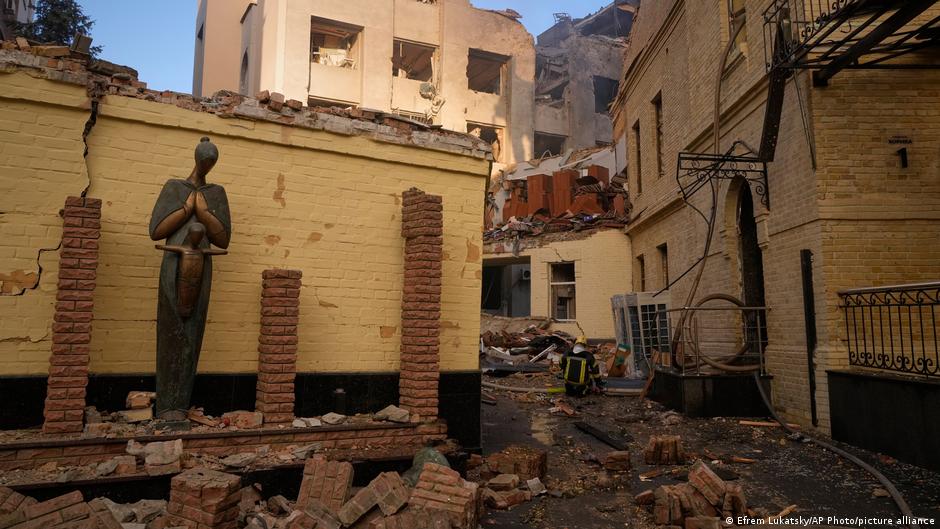
On the night of May 24, a massive Russian missile and drone attack on Kyiv inflicted significant damage on the National Chernobyl Museum, destroying around 40% of its exhibits and forcing a temporary closure. This facility, dedicated to preserving the memory of the 1986 nuclear disaster, had just reopened after extensive restoration in late April. The losses extend beyond cultural heritage, impacting Ukrainian households and investors through the erosion of national morale and potential economic setbacks in tourism and cultural sectors.
Impact on Households and the Economy
The destruction of the museum and damage to numerous other cultural institutions—including the National Art Museum, Philharmonic, and Kyiv Opera—represent more than just physical loss. These attacks undermine community identity and reduce opportunities for cultural tourism, a sector that supports local businesses and employment.
“The attack damaged a vital cultural hub and erased irreplaceable artifacts, deepening the economic strain on Ukrainian society already burdened by war,” experts note.
For everyday Ukrainians, escalating military aggression strains household budgets as government resources shift heavily toward defense and reconstruction efforts. Inflationary pressures may intensify due to disrupted commerce and logistical challenges, shrinking savings and dampening consumer confidence. Additionally, the destruction of landmarks and cultural venues can deter foreign investment and complicate economic recovery efforts.
The missile barrage also resulted in civilian casualties and widespread infrastructure damage—notably to residential buildings, schools, and markets—further stretching social services and local governance finances. The psychological toll of repeated attacks on cities like Kyiv adds urgency to financial planning and risk management for families and small investors.
Broader Financial and Currency Implications
The attack’s timing and scale coincide with Russia’s deployment of advanced weaponry, including medium-range ballistic missiles, signaling a potential escalation that may affect Ukraine’s currency stability and credit outlook. Ongoing conflict pressures the Ukrainian hryvnia, complicates foreign exchange reserves, and fuels volatility in financial markets.
For individual investors and households, these dynamics translate into heightened risks for savings, retirement funds, and real estate investments. Currency depreciation can erode purchasing power, while economic uncertainty may limit access to credit or raise borrowing costs.
The cultural losses also remove intangible economic assets that contribute to Ukraine’s global image and soft power, factors important for attracting international partnerships and aid. The recent attack on media outlets’ offices further disrupts information flow critical for financial transparency and market confidence.
As the conflict persists, Ukrainian families and investors must adapt to a volatile environment where protecting savings and diversifying income sources become essential strategies. Financial advisors emphasize the importance of contingency planning and staying informed about geopolitical risks.
Despite these hardships, the preservation efforts following the attack—such as salvaging artwork by Maria Prymachenko and the historic Ukrainian flag from Chernobyl—reflect resilience and hope that cultural heritage may survive beyond the conflict’s economic toll.