European Allies Discuss Diplomatic Efforts with Ukraine Amid War Impacting Household Finances
Leaders of Germany, France, and the UK meet with Ukrainian President Zelensky to explore renewed peace talks amid war's economic strain on families and investors.
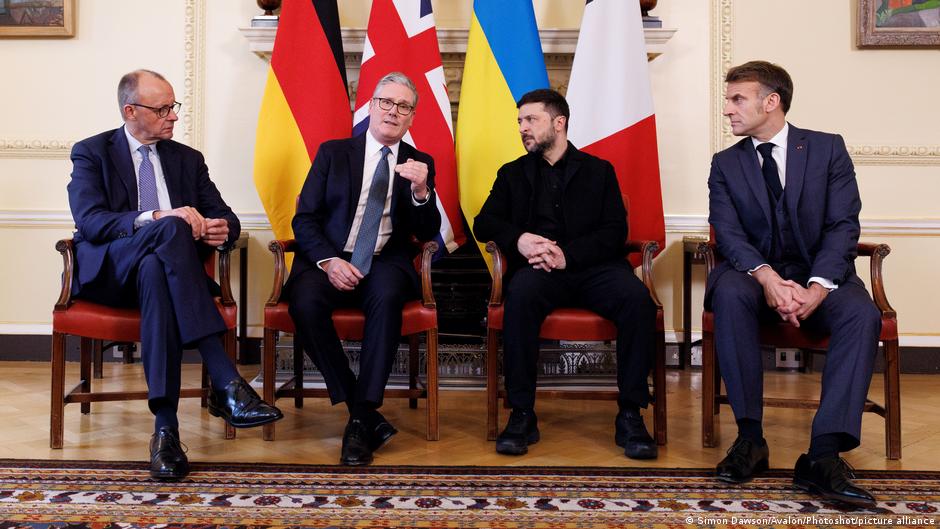
In a recent high-level video conference, the leaders of Germany, France, and the United Kingdom engaged with Ukrainian President Volodymyr Zelensky to discuss renewed diplomatic efforts aimed at ending the ongoing conflict with Russia. The meeting focused on how Europe can actively participate in peace negotiations, a development that could influence economic stability and consumer finances across the region.
Diplomacy Amid Economic Uncertainty
The war in Ukraine has not only devastated the region politically and socially but has also imposed significant pressures on household budgets, savings, and currency stability both within Ukraine and across Europe. With rising energy costs, inflationary pressures, and currency fluctuations, everyday investors and consumers feel the direct impact of prolonged conflict.
During the video conference held on May 22, 2026, Chancellor Friedrich Merz of Germany, President Emmanuel Macron of France, and UK Prime Minister Keir Starmer discussed with President Zelensky the need to "activate diplomacy for peace" and ensure Europe plays a constructive role in this process. While details of the discussions remain limited, Zelensky noted the improved military position of Ukraine, which may provide leverage for effective diplomatic negotiations.
"All partners recognize that Ukraine's position is significantly stronger—both on the battlefield and in strategic foresight. This pressure can push toward proper and effective diplomacy," Zelensky highlighted after the meeting.
The economic consequences of the war have led to increased government spending on defense and humanitarian aid, often financed through increased borrowing or monetary expansion. These developments risk higher inflation, depreciated currencies, and reduced purchasing power for households, heightening concerns for personal financial management.
Moreover, the uncertainty surrounding the conflict affects currency markets and investment portfolios. The volatility in the Ukrainian hryvnia and ripple effects on the euro and British pound create challenges for cross-border trade and investments. Ordinary investors face the dilemma of balancing risk and seeking stable returns in an unpredictable environment.
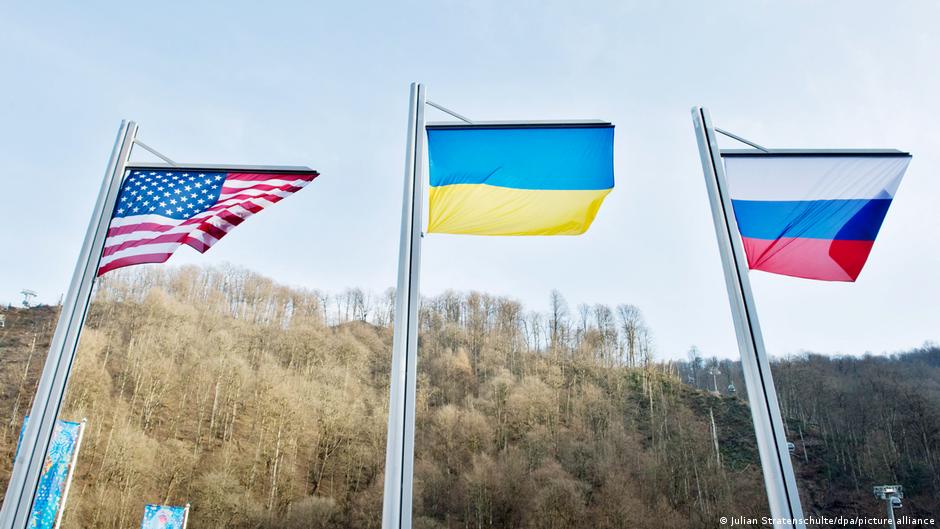
The renewed diplomatic engagement is partly driven by the acknowledgment that current negotiation formats—mainly involving Ukraine, the United States, and Russia—have reached an impasse. Ukrainian Foreign Minister Andriy Sybiha pointed out the diminishing returns of repeated discussions without progress and suggested that European Union involvement could reinvigorate talks.
For households and investors, any breakthrough in peace talks could gradually ease economic pressures by stabilizing markets, reducing energy price shocks, and improving confidence in regional currencies. Conversely, prolonged conflict continues to strain budgets, prompting consumers to tighten spending and save cautiously.
Looking ahead, Zelensky announced that national security advisors from the four countries would meet soon to exchange intelligence and strategize further. Meanwhile, US Secretary of State Marco Rubio expressed cautious support for ongoing talks but warned against endless cycles of fruitless negotiations, underscoring the urgency for tangible outcomes.
As the world watches, the intersection of diplomacy and economics highlights how geopolitical conflicts permeate everyday lives—impacting inflation, savings, investments, and ultimately the financial well-being of families and individuals.