UK Plans £18 Billion Increase in Defense Spending Amid Political Turmoil
Rising defense budget may impact household finances and government spending priorities in the UK.
The UK government is preparing to increase defense spending by £18 billion (€20.6 billion), a move expected to affect public finances and potentially household budgets across the country. This significant boost in military expenditure comes at a time of political instability and growing concerns about national security.
Implications for Public Finances and Households
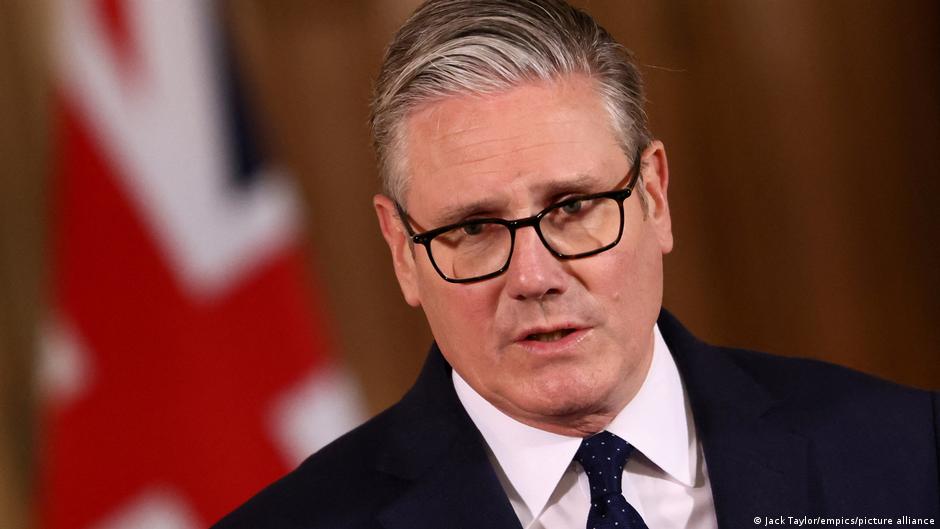
According to reports, Prime Minister Keir Starmer is set to announce the increased defense budget as early as the week of May 18-24. Currently, the financial source for this additional £18 billion remains unclear, but government insiders suggest that the new defense package will be "manageable" within the existing budget framework.
For the 2025-2026 fiscal year, UK defense spending is projected to reach £62.2 billion. This substantial rise in expenditure could lead to shifts in government priorities that may affect funding for other public services and social programs. For consumers and everyday investors, the reallocation of government resources could influence taxation policies, public borrowing, and economic growth prospects.
Household budgets may feel indirect pressure if the government opts to finance increased defense spending through higher taxes or reduced public spending in other sectors. Moreover, economic uncertainty linked to political turbulence might affect currency stability and investment confidence, potentially impacting savings and the value of pensions.
"The new defense spending package will be 'manageable' for the budget, but its broader effects on public finances and households remain to be seen," said an anonymous government source.
Political Context and Consumer Confidence
The announcement of the budget increase is seen as a strategic move by Prime Minister Starmer amidst a growing political crisis within his own Labour Party. In recent days, dozens of Labour MPs have called for Starmer's resignation, criticizing his leadership amid ongoing political challenges.
Starmer has previously emphasized defense and security as key pillars of his policy platform, particularly in response to the conflicts in Ukraine and Iran. However, opponents have accused him of failing to deliver on these promises. The planned increase in defense spending may be an attempt to reinforce his commitment to national security and restore confidence among party members and the public.
For consumers, political uncertainty often translates into market volatility and cautious spending. The defense budget increase may raise questions about the government's fiscal discipline and priorities, which can influence consumer sentiment and investment decisions.
As the UK navigates this complex political and economic landscape, households and investors will be closely watching government announcements for signs of how the proposed defense spending increase will be funded and what it means for the broader economy.