NATO Confirms Continued Delivery of US Air Defense Missiles to Ukraine Amid Ongoing Conflict
NATO assures steady supply of critical American-made air defense missiles to Ukraine under the PURL program, reinforcing the alliance’s commitment despite geopolitical tensions.
The NATO alliance has confirmed that the delivery of critical American-made air defense missiles and other weapons to Ukraine continues unabated under the Priority Urgent Requirements List (PURL) program. This procurement initiative enables the rapid supply of essential defense equipment to Ukraine, supporting its resilience amid the ongoing conflict with Russia.
Impact on Household Budgets and Currency Stability
As the conflict enters its fifth year, NATO's commitment to providing front-line military assistance highlights significant implications for personal finances, household budgets, and currency markets, especially in European countries closely linked to the conflict's economic fallout.
Funding for the PURL program involves NATO member states contributing to a pooled fund that finances the acquisition and delivery of US-made weapons prioritized by Ukraine, the US, and NATO. This collective financial commitment translates into substantial government expenditure, which can influence national budgets and fiscal policies.
Consequently, taxpayers in contributing nations may experience indirect effects such as adjustments in public spending priorities or increased borrowing, factors that can ripple through to household savings and investment returns. Additionally, the ongoing conflict and associated military spending contribute to currency volatility, affecting everyday investors and consumers engaged in cross-border trade or holding foreign currency savings.
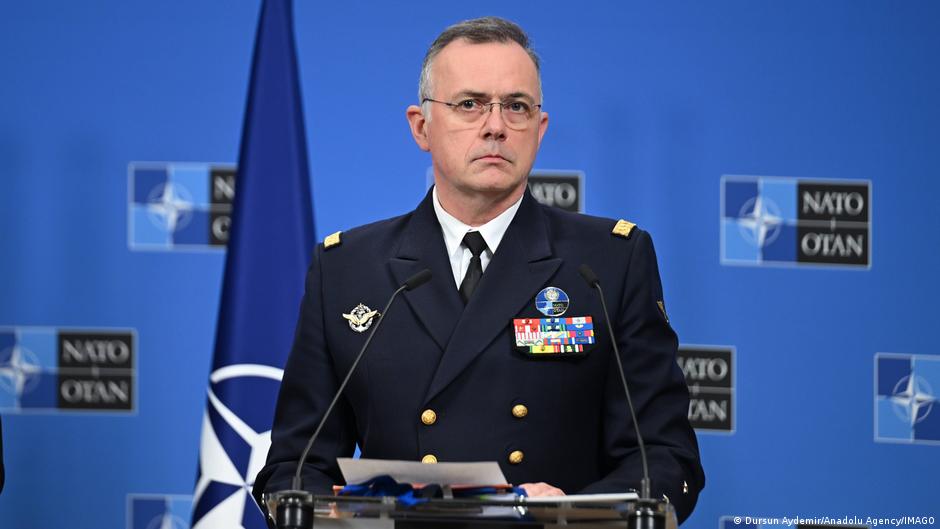
"All weapons paid for by allies, including interceptor missiles urgently needed by Ukrainians, are being delivered," said General Alexus Grinkevich, NATO's Supreme Allied Commander Europe.
General Alexus Grinkevich emphasized the importance of a predictable and sustained supply of weapons, particularly to counter Russian and Iranian drones and missiles. He also highlighted the innovative and resilient nature of Ukraine's armed forces, which continue to adapt and share valuable combat experience relevant to battlefield conditions.
The Western investment in Ukraine's defense not only aims to protect the Ukrainian population and critical infrastructure but also bolsters overall European security. This security dimension indirectly benefits households in NATO countries by enhancing regional stability, which underpins economic confidence and market stability.
Despite recent US military redeployments, including the planned withdrawal of 5,000 American troops from Europe, General Grinkevich reassured that these adjustments do not affect NATO’s operational plans or the ability to support Ukraine effectively. European NATO members have increased their own ground combat capabilities, notably in the Baltic states and Poland, demonstrating a collective strategy to maintain regional defense readiness.
However, ongoing military engagements and preparations continue to exert pressure on government spending and fiscal priorities. Households in NATO countries may experience indirect financial impacts through inflationary pressures related to defense spending, shifts in tax policy to cover increased expenditures, or altered government borrowing strategies affecting interest rates.
The Consumer Perspective: Navigating Uncertainty and Inflation Risks
For everyday consumers and investors, the military dynamics in Europe highlight the importance of financial planning amid uncertainty. Currency fluctuations driven by geopolitical tensions can erode savings held in vulnerable currencies, while inflationary pressures linked to increased government spending may reduce disposable income.
Investors are advised to diversify portfolios to mitigate risks associated with geopolitical volatility. Additionally, households should consider the implications of defense spending on economic growth trajectories and government fiscal health, as these factors influence employment, wage growth, and consumer confidence.
In conclusion, while NATO’s ongoing military support to Ukraine is critical for regional security, it also interacts with economic and financial landscapes that affect consumers directly. Awareness and proactive financial planning remain essential for households navigating these complexities.