Russian Missile Strikes on Kyiv Following G7 Support Promise Raise Household Concerns
Russia’s missile attacks on Kyiv and other Ukrainian cities threaten energy stability and add economic uncertainty for households.
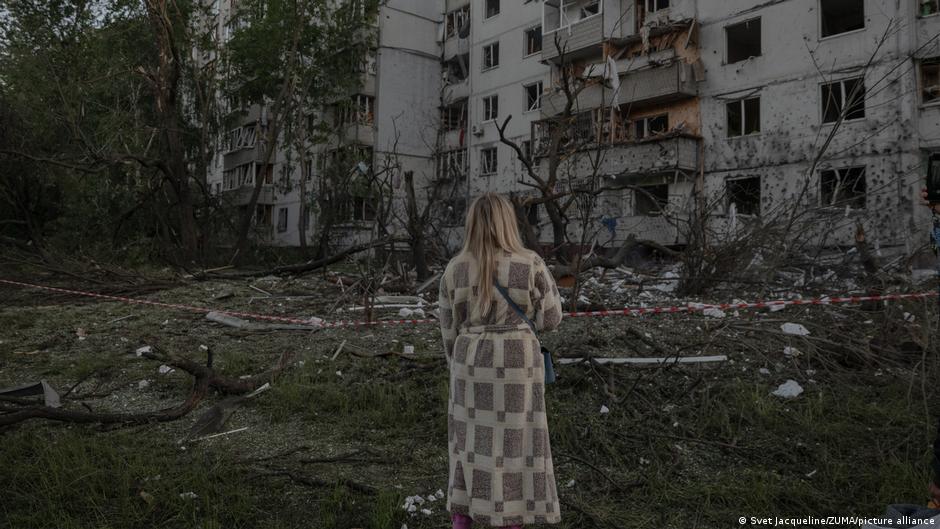
In the early hours of June 18, Russia launched ballistic missile attacks targeting Kyiv and several other cities in Ukraine. This military escalation followed shortly after the Group of Seven (G7) countries pledged to increase financial and military aid to Ukraine.
The sudden missile strikes triggered air raid sirens across the Ukrainian capital and northern regions, disrupting daily life and raising concerns about the security of critical infrastructure and energy supplies. Local officials reported explosions in Poltava and Sumy, with power outages confirmed in Poltava city. Zaporizhzhia region also experienced blasts, further escalating fears of instability.
Implications for Household Budgets and Energy Security
Missile attacks on urban areas, especially those affecting energy infrastructure such as power grids, have direct consequences for household finances. Power outages force families to spend more on alternative energy sources, such as generators or increased heating costs during colder months. Furthermore, the unpredictability of such attacks creates inflationary pressures as supply chains and markets adapt to disruptions.
Timur Tkachenko, head of Kyiv’s military administration, urged residents to remain in safe locations until all air raid alerts are lifted, reflecting the ongoing risk to civilian safety and normal economic activity.
"Be in safe places until the alert is over," Tkachenko advised in a Telegram post, highlighting the persistent threat to daily life and security.
Beyond immediate safety concerns, these developments add to currency volatility and investor anxiety. Increased military conflict typically spurs instability in local currencies, affecting savings and purchasing power for everyday consumers and investors alike.
Additionally, warnings of potential strikes involving guided bombs in Sumy region underline the broader geographic spread of the attacks, impacting a wider segment of Ukrainian households and businesses.
Financial experts note that continual conflict-driven disruptions can erode consumer confidence, tighten credit availability, and increase the cost of borrowing, all of which weigh heavily on personal finances and economic recovery prospects.
As the G7 ramps up aid, the immediate military response by Russia underscores the fragile balance between international support and escalated conflict, with tangible repercussions felt daily by Ukrainian citizens in their household budgets, energy consumption, and savings stability.