Political Stability in Germany Eases Financial Uncertainty for Households and Investors
Denials of Chancellor Friedrich Merz’s early replacement quell speculation, stabilizing economic expectations amid current political challenges.
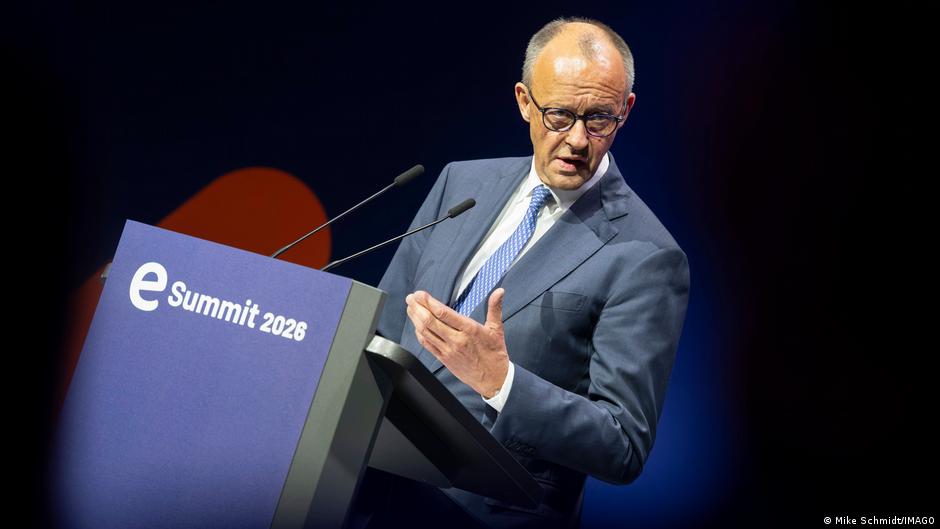
Recent rumors about the early replacement of Germany's Chancellor Friedrich Merz have been firmly denied by sources close to him, providing some relief to households, savers, and investors concerned about political instability and its impact on the economy.
Political Speculation and Economic Implications
Media outlets Stern and Bild recently reported internal discussions within the Christian Democratic Union (CDU) about potentially replacing Merz before his term ends. Alleged contenders named included Hendrik Wüst, Markus Söder, and Jens Spahn, all influential figures within the party. However, close associates of Merz dismissed these claims as "absurd speculation" and warned that such rumors contribute to political uncertainty and undermine confidence in the government.
Political instability can directly affect household budgets and consumer confidence. Currency fluctuations, market volatility, and changes in fiscal policies often accompany leadership changes, influencing inflation, interest rates, and investment returns. By quashing these rumors, the Chancellor’s circle aims to stabilize expectations in financial markets and prevent shocks that would ripple through Germany’s economy.
"These rumors play into the hands of extremist parties and erode the authority of the political center during times of domestic and global crises," said Merz’s representatives.
The Christian Democratic Union faces challenges in maintaining cohesion, especially given the coalition nature of the government. According to German constitutional provisions, replacing a sitting Chancellor mid-term involves complex parliamentary procedures that could prolong uncertainty.
Public Sentiment and Economic Outlook
Recent polls indicate dissatisfaction with the government’s performance, with 86% of Germans expressing dissatisfaction, and Merz’s personal approval rating hitting a record low of 16%. Such public sentiment can affect consumer spending and savings behavior, as households may adopt a cautious stance amidst perceived political and economic risks.
For everyday investors, political uncertainty often translates to volatility in equity and bond markets. Stable leadership is critical to sustaining investor confidence, which in turn supports market liquidity and favorable borrowing conditions. The denial of early replacement plans thus sends a reassuring message to markets that the current administration intends to see through its term.
In the broader context, Germany’s economy is navigating numerous challenges including energy price volatility, inflationary pressures, and geopolitical tensions. Political stability is essential to implement coherent economic policies that protect household incomes and manage inflation.
For consumers and savers, the government's steadiness helps mitigate risks of sudden changes in taxation, subsidies, or welfare programs that directly influence disposable income and savings capacity. Additionally, confidence in the euro’s stability is bolstered when Germany—the Eurozone’s largest economy—maintains a steady political course.
Overall, while political dissatisfaction persists, the clarification from Chancellor Merz’s entourage about his expected term duration provides much-needed reassurance to German citizens and investors focused on personal finance and economic stability.