US Defensive Strikes on Iran Heighten Geopolitical Risks Impacting Global Markets and Consumer Finances
Recent US military actions against Iran raise concerns about economic stability and currency fluctuations affecting household budgets worldwide.
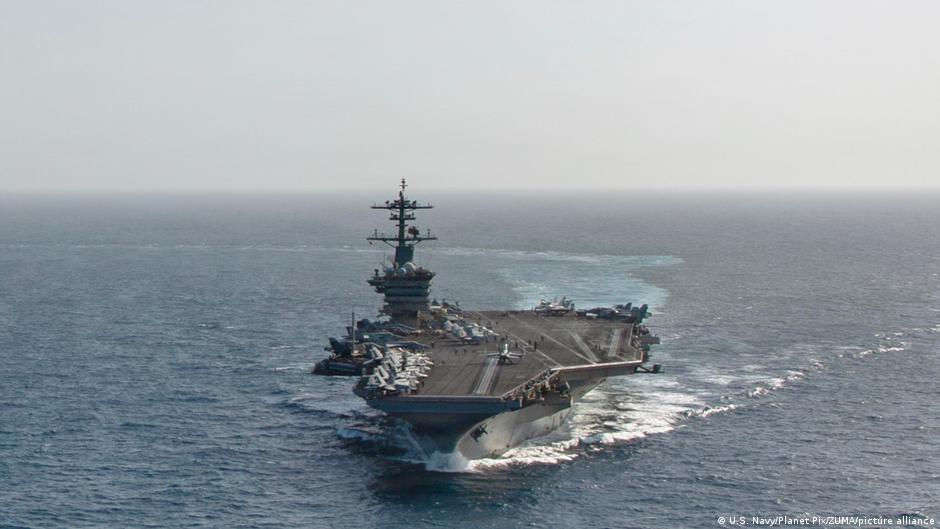
The United States military conducted "defensive strikes" against targets in southern Iran, including missile launch sites and vessels attempting to lay mines, according to a spokesperson for the US Central Command (CENTCOM), Tim Hawkins. These actions, undertaken "in self-defense," have renewed tensions in the region with potential ripple effects on global markets and individual finances.
Geopolitical Tensions and Economic Implications
In the early hours of May 26, American forces targeted Iranian military installations and maritime vessels engaged in activities perceived as threats to US personnel. CENTCOM described the strikes as necessary measures to protect American troops, emphasizing efforts to maintain restraint amid an ongoing ceasefire agreement initiated on April 8 between the US and Iran.
Tim Hawkins stated, "CENTCOM continues to protect our forces while exercising restraint during the current ceasefire." Despite this, US President Donald Trump indicated in a social media post on May 25 that negotiations with Iran could either culminate in a significant deal or revert to intensified conflict. Trump warned, "There will be either a great deal for all or no deal – and a return to frontline fighting on a scale more intense than ever, which nobody wants." This uncertainty has potential consequences for global economic stability.
"The ongoing tension highlights the fragility of peace, with direct implications for market volatility and currency fluctuations that impact everyday consumers and investors worldwide."
For households, these geopolitical developments may translate into increased volatility in energy prices, inflationary pressures, and instability in currency exchange rates. Such fluctuations can affect the cost of imported goods, savings value, and investment portfolios, emphasizing the importance of vigilant personal finance strategies during periods of international uncertainty.
Currency markets often react swiftly to conflicts involving major oil-producing regions like Iran, influencing exchange rates of currencies such as the US dollar, euro, and emerging market currencies. For everyday investors, rising risk can lead to market sell-offs or spikes in safe-haven assets, impacting retirement accounts, savings, and the cost of borrowing.
Consumers may also face increased costs in fuel and energy bills due to potential disruptions in oil supply chains. These expenses can strain household budgets, particularly for lower and middle-income families, and may necessitate adjustments in spending habits or greater reliance on credit.
Financial advisors recommend maintaining diversified investment portfolios and emergency savings to buffer against such unpredictable geopolitical events. Keeping abreast of international developments and understanding their potential economic impact can help consumers make informed decisions regarding budgeting, investing, and currency management.
In summary, while direct military engagements may seem distant from everyday life, their cascading effects on currencies, commodities, and markets underscore the interconnectedness of global events and personal finances. Consumers and investors should remain alert to these risks as the situation evolves.