Drone and Missile Attacks in Odessa and Dnipro Raise Concerns Over Household Safety and Finances
Recent attacks in Odessa and Dnipro have caused injuries and property damage, impacting local households and emergency expenses.
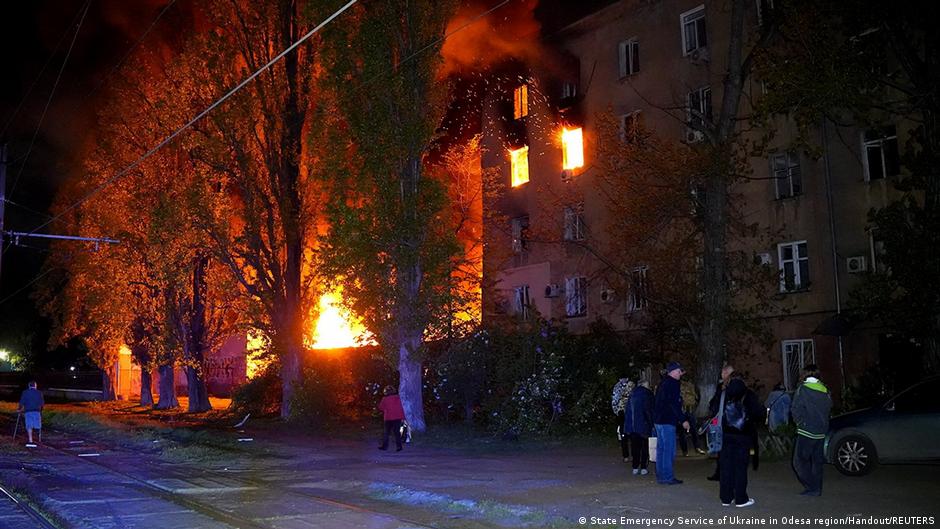
Recent drone and missile attacks in the Ukrainian cities of Odessa and Dnipro have resulted not only in human injuries but also in significant damage to residential properties and public infrastructure. These events have direct implications for affected households, including potential increases in repair costs, disruptions to daily life, and pressures on local economies.
Impact on Households and Local Budgets
In Odessa, drone strikes damaged several residential buildings, a lyceum, and a kindergarten. Two residents—a boy aged 11 and a 59-year-old man—were injured during the attacks. Emergency and municipal services are actively working to mitigate the damages and provide assistance. The destruction of homes and educational facilities inevitably imposes unexpected financial burdens on families, who may face costs for repairs, temporary relocation, or loss of property.
"Emergency and utility services are coordinating response efforts to support affected residents and restore infrastructure," officials reported.
Meanwhile, missile strikes in Dnipro hit a residential area, causing fires including one on the roof of a 24-story building. Nine people were injured, with four hospitalized in moderate condition. The attacks trapped some residents inside buildings, further complicating rescue and recovery efforts.
The immediate aftermath of such attacks often leads to increased spending by local governments on emergency response and fire suppression, which may influence municipal budgets and, by extension, local taxes or public services. For households, the destruction can drain savings or lead to increased borrowing to cover housing repairs and medical expenses.
Furthermore, the broader economic repercussions include potential instability in local currencies and financial markets, as residents and investors react to heightened security risks. The damage to infrastructure can also disrupt employment and income streams, affecting consumer confidence and spending power.
Considerations for Everyday Investors and Consumers
For everyday investors, particularly those with assets or investments tied to affected regions, these attacks underscore the importance of assessing geopolitical risks. Property owners and renters alike may need to consider insurance coverage adequacy to manage potential losses. Consumers in these areas might experience price fluctuations for goods and services due to supply chain interruptions or increased operational costs for businesses.
Increased uncertainty can also influence currency valuations locally, affecting savings and purchasing power. Households should stay informed about emergency assistance programs and explore financial planning strategies to cushion against such shocks.
Ultimately, the recent attacks in Odessa and Dnipro highlight the intertwined nature of security events and personal finance, emphasizing the need for resilience and preparedness among households and investors in conflict-affected areas.