EU Budget Talks Stall, Raising Questions for Taxes and Household Costs
A dispute over spending and new EU-wide levies could eventually affect consumers, savers and retail investors across the bloc.
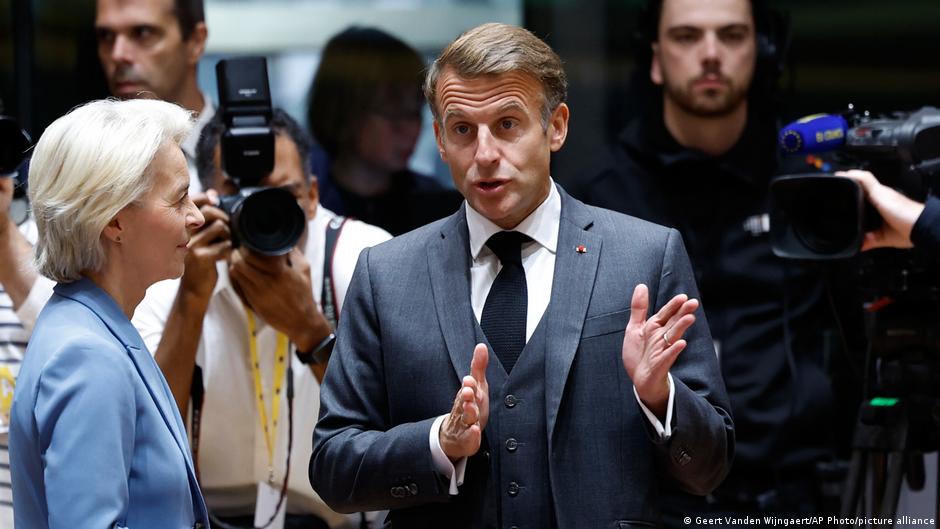
European Union leaders ended the first day of their Brussels summit without an agreement on the bloc’s budget for the next seven years, leaving unresolved decisions that could ultimately reach household finances through taxes, public investment and economic growth. Negotiations are now expected to continue in December.
Sources in Germany’s federal government told AFP that several competing positions produced “contentious debates” among EU heads of state and government. The divisions were already clear before the talks began: Germany, Austria, Sweden, Denmark, the Netherlands and Finland are calling for restraint, while France, Spain and Poland support a larger EU budget.
For consumers and everyday investors, the argument is not simply about an institutional spending plan. The outcome will determine how much money the EU directs toward competitiveness, research, defence, regional development and other priorities. It could also shape whether governments contribute more from national budgets or whether Brussels turns to new EU-wide revenue sources that may affect particular industries and their customers.
A €2 Trillion Plan Meets Pressure for Cuts
The European Commission presented a draft long-term budget worth almost €2 trillion during the summer. Ireland, which holds the rotating presidency of the Council of the EU, has proposed reducing that amount by €140 billion, or approximately 8%.
Ireland’s proposal would cut EU spending on competitiveness, scientific research, defence and foreign policy. The immediate consequences for individual households would depend on the final allocation of funds and how member states respond. However, reduced investment in competitiveness and research could matter to workers, savers and investors because those areas support business development, innovation and employment across the single market.
Defence and foreign-policy spending also remain relevant to household budgets. If less financing comes from the common EU budget, national governments could face their own choices over spending priorities. The source discussions did not specify whether member states would replace any reduced EU funding, and no direct household cost has yet been agreed.
Germany and several northern European countries want greater budget discipline, while France, Spain and Poland are pressing for more EU-level spending.
Germany’s position is especially significant. Before negotiations began, Chancellor Friedrich Merz called for a “substantial” reduction in the Commission’s proposal. He also categorically rejected allocating additional funds to two traditionally large areas of EU expenditure: agriculture and cohesion policy.
Those categories can have visible effects on everyday finances. Agricultural support is connected to the economics of food production, while cohesion funding finances development in less prosperous regions. Any final changes would need to be examined program by program before their impact on food prices, jobs, local infrastructure or household incomes could be established.
Digital, Crypto and Gambling Levies Enter the Debate
France used the summit to advocate new EU-wide levies that would allow the budget to grow without increasing direct contributions from member states. The proposed charges would apply to digital services, cryptoassets and online gambling.
No final design or rates were reported, so consumers and investors cannot yet calculate a direct cost. Still, the sectors under discussion make the negotiations relevant to people who pay for digital products, own or trade cryptoassets, or use online gambling services. Depending on how any levies are structured, affected companies could absorb the cost, pass some of it to customers or adjust the services they offer. Crypto investors would also need to distinguish between a levy on businesses, transactions or holdings if a detailed proposal emerges.
The debate could have broader implications for national taxpayers. France argues that common levies could expand the EU budget without raising member-state contributions. Countries demanding savings, however, are resisting the overall scale of spending. Until leaders settle both sides of that equation, households have little certainty about whether the eventual package will rely more heavily on spending cuts, national contributions or new revenue streams.
December Deadline Carries Political and Market Stakes
The next EU summit is scheduled for December, and many of the bloc’s 27 member states want to approve the long-term budget before the end of the year. Their concern is that elections in several countries in 2027 could bring Eurosceptic and populist forces to power, making a compromise harder to reach.
In France, far-right politician Marine Le Pen could win the presidential election. President Emmanuel Macron has already warned that an EU budget agreement would be “difficult” in that event, according to AFP.
Austrian Chancellor Christian Stocker has not ruled out negotiations continuing into next year. For households, savers and retail investors, the December talks will therefore be an important signal. A deal would clarify future EU spending and possible levies, while a prolonged dispute would extend uncertainty over public investment, member-state financing and the costs facing digital and financial businesses. The first day produced no breakthrough, but the eventual compromise could influence household budgets and investment decisions well beyond Brussels.



