Drone Incidents in Moldova Add Fresh Risks for Household Finances

Five drone incursions in one day deepen security uncertainty for Moldovan households, though officials reported no immediate financial-system impact.

Five drone incursions in one day deepen security uncertainty for Moldovan households, though officials reported no immediate financial-system impact.

Power and water outages in Kyiv and Lutsk are adding emergency costs for households while renewing concerns about savings, currencies and Ukrainian assets.

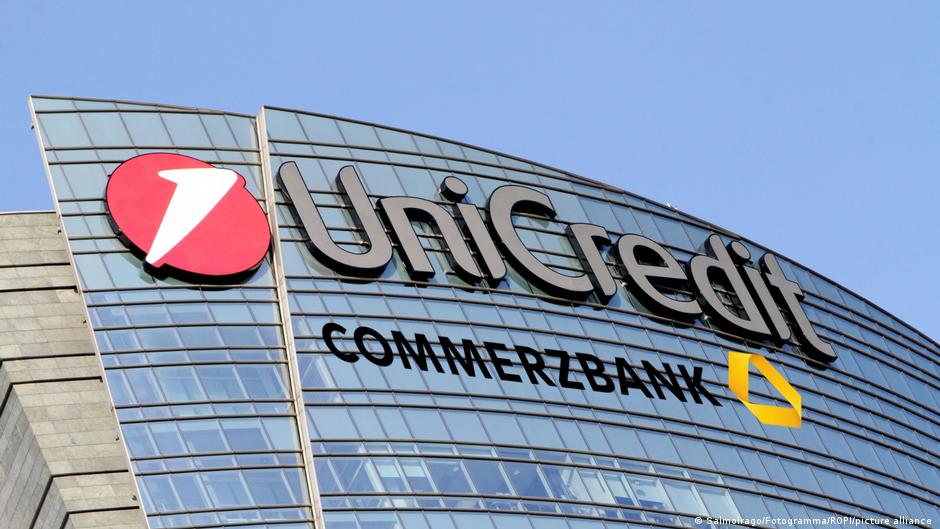
ECB approval gives UniCredit a path to control Commerzbank, raising longer-term questions about banking competition, jobs, savings and small-business finance.

Palestinian elections were delayed to September 2027, extending political uncertainty with consequences for households, savings and investors.

Kyiv’s mayor urged some residents to consider temporarily leaving as Russian strikes threaten water, heating, transport and household budgets.

Maria Kolesnikova urges the EU to pair diplomacy and sanctions to free Belarusian political prisoners and reduce Russia-linked regional risk.

German and Austrian raids over alleged car exports to Russia show how sanctions enforcement can affect dealers, banks, consumers and investors.

Swiss voters rejected tighter neutrality rules that would have curbed sanctions, preserving policy flexibility watched by savers and investors.

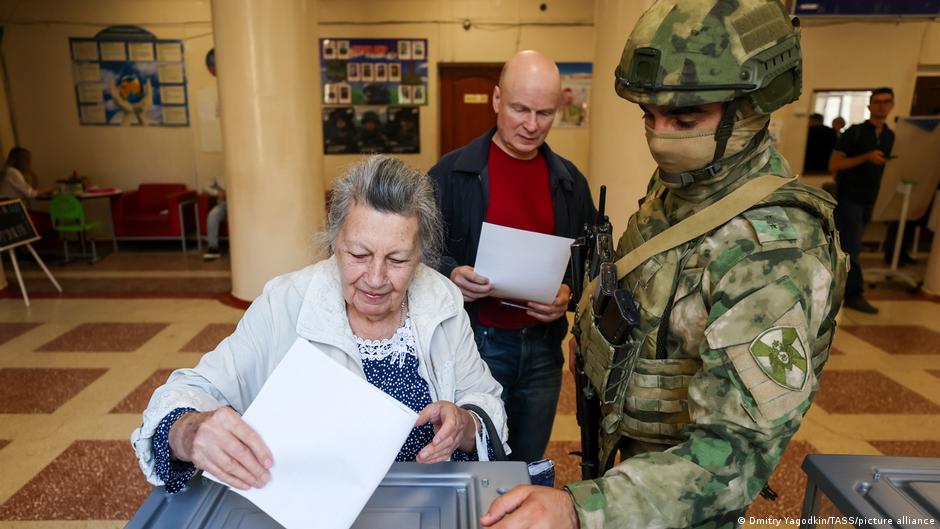
Ukraine sanctioned 44 people tied to Russian Duma voting in occupied territories, adding another layer of financial and currency risk.

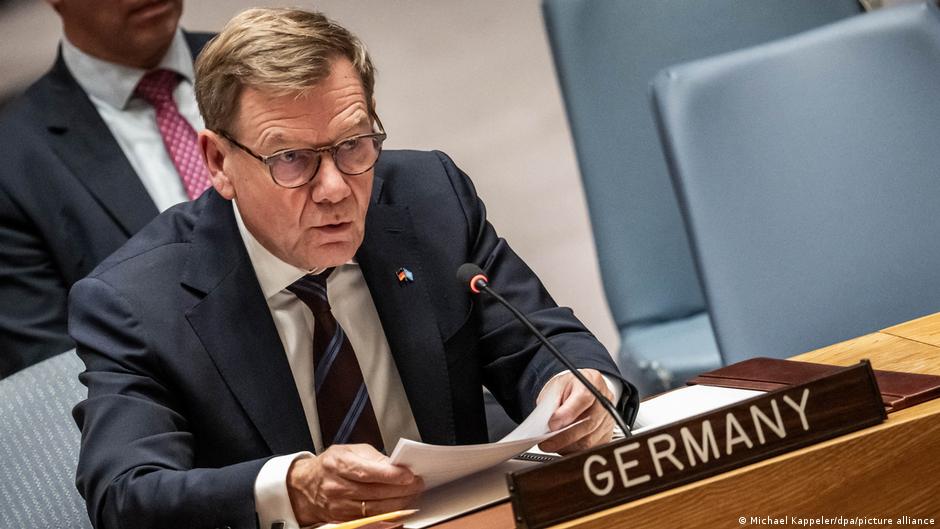
Germany says Putin’s possible G20 attendance should be judged by whether Moscow accepts a ceasefire, with sanctions and market risk in focus.

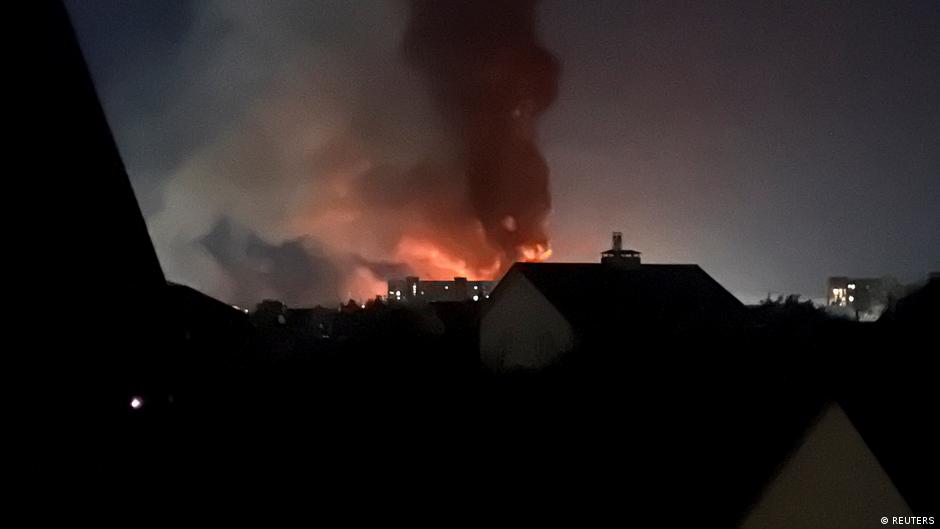
Kyiv officials reported two deaths, six injuries and damage near medical and residential sites, raising new pressure on household budgets.

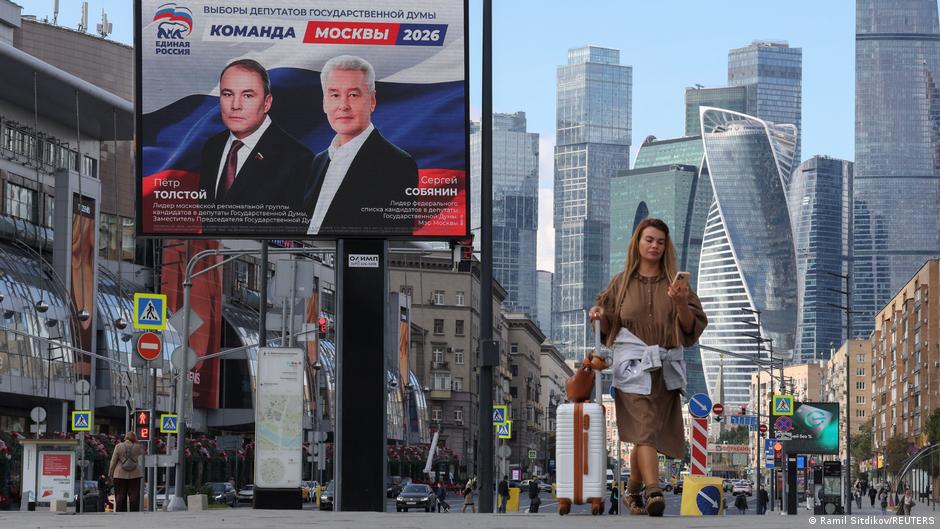
United Russia’s projected Duma dominance signals policy continuity for Russian households, savers and everyday investors.

Trump signed a sanctions law targeting Russian energy buyers, creating new risks for fuel prices, household budgets and investor portfolios.

Russian attacks wounded civilians, including children, and damaged homes, offices, warehouses and cars in Kyiv, Odesa and Sumy.

U.S. charges tied to an alleged Russian network underscore how security risks can affect currencies, banking costs and everyday portfolios.

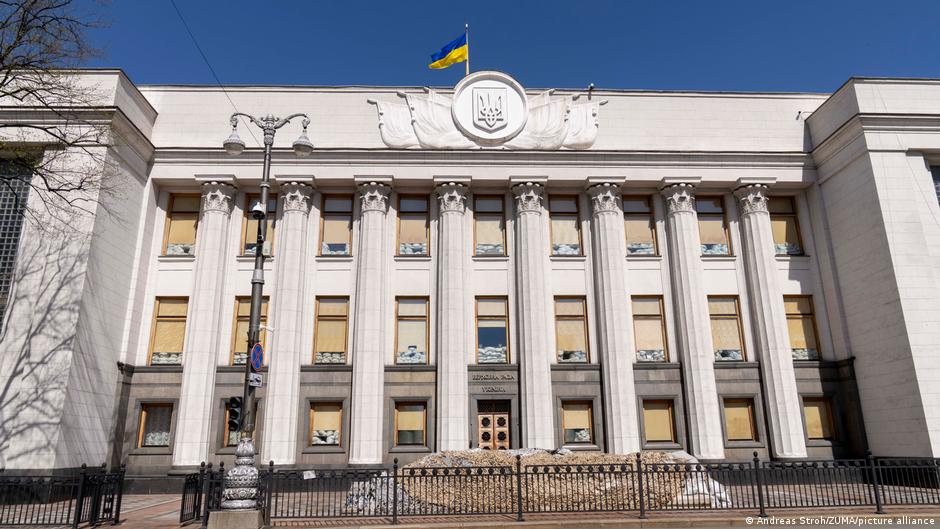
Ukraine’s parliament will review unpopular budget bills tied to billions in Western aid, with consequences for defense pay, families and savings.

China warned the US against preparing for space war after Washington confirmed orbital weapons, raising risks for satellites that support daily finance.

Ukraine’s anti-corruption agencies searched the prosecutor general’s office in a probe into alleged protection of scam call centers.

A reported U.S. warning to Russia points to prolonged sanctions pressure, with potential effects on currencies, prices, savings and investor risk.

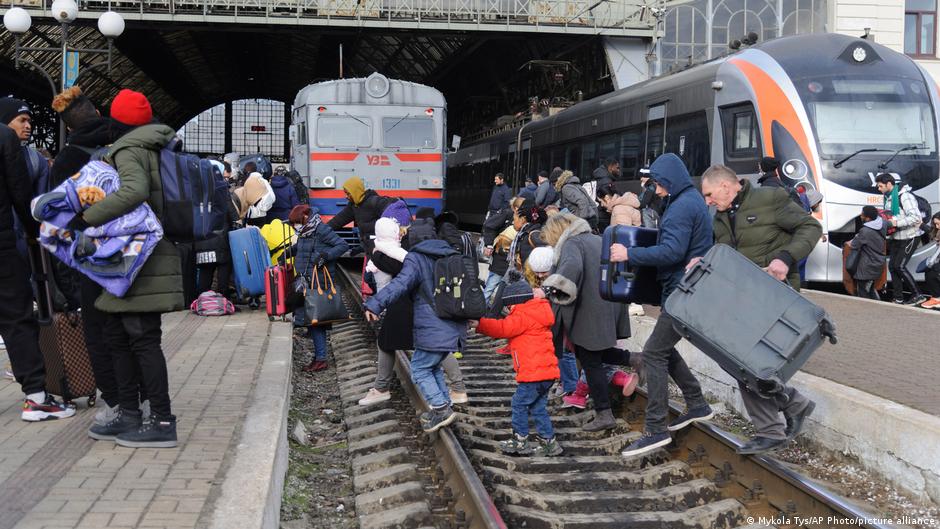
Over 8.4 million Ukrainians live abroad due to ongoing conflict, impacting household finances, savings, currency stability, and investment prospects within Ukraine.

International browsers flag major Russian bank sites as insecure due to revoked security certificates, complicating online banking access for consumers and investors abroad.

Greece’s surge in Schengen visa denials for Russians disrupts travel plans, straining household budgets and increasing financial costs for trips amid tightened EU visa policies.

Ukraine warns Russia plans to expand military mobilization in 2026, including North Korean troops, raising economic risks for Russian households, savings, and currency stability.

US lifts sanctions on Belarus-linked Bel-Kap-Steel amid prisoner releases, potentially easing economic pressure on households and stabilizing currency and investments.

Russian missile and drone strikes on Kyiv and Kharkiv cause casualties and damage, intensifying economic uncertainty and affecting Ukrainian household finances.

Reports claim the UAE is unfreezing billions in Iranian oil funds to stop attacks, impacting currency stability and household finances across the region.

The EU plans to limit US tech giants' access to government cloud contracts, aiming to enhance data sovereignty but potentially raising costs for consumers and businesses.

Belgorod authorities have resumed mobile internet and street lighting after months of disruptions caused by military attacks, easing daily challenges for residents managing finances and safety.

Paris authorities report around 20 alleged Epstein victims, deepening human trafficking inquiries with implications for household finances and investor confidence.

Violent clashes in DR Congo’s Ituri province have killed 69 people, disrupting local economies, threatening household savings, and increasing currency and investment risks.

Uzbek banks saw a 30.88% rise in deposits in Q1 2026, with corporate and retail savings fueling growth and boosting confidence in the financial sector.

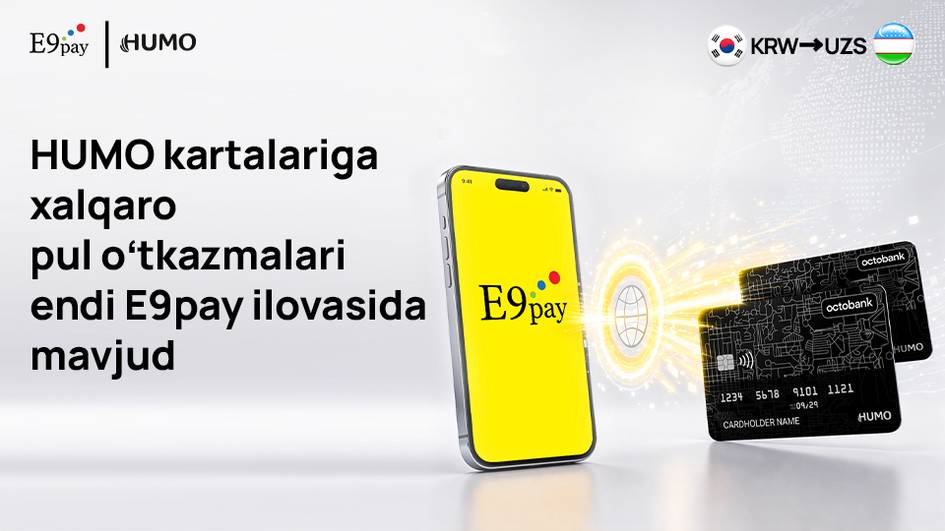
Octobank now enables direct money transfers from South Korea to HUMO cards via E9PAY, easing remittances for Uzbek households and impacting consumer finances.

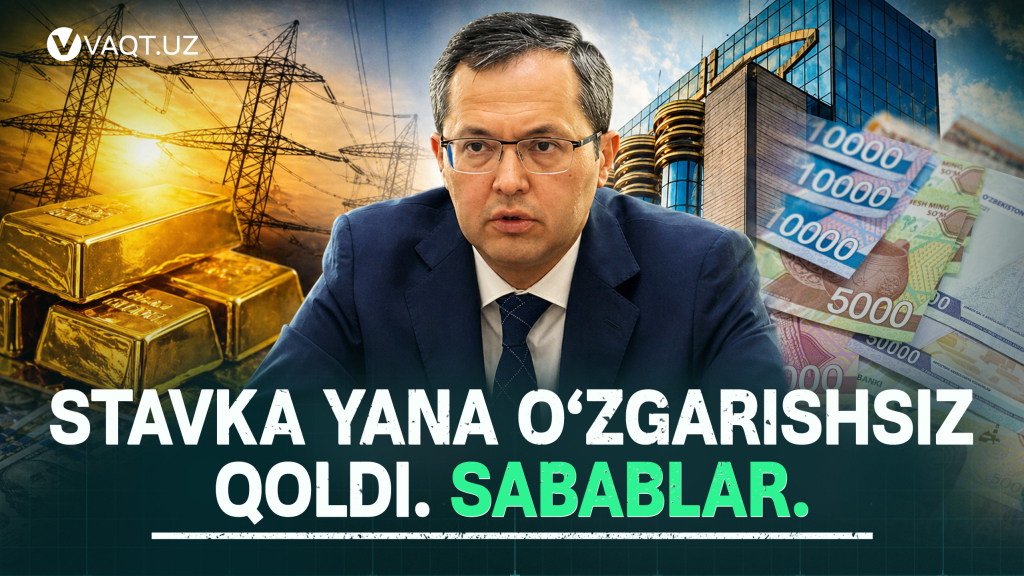
The Central Bank keeps interest rates at 14% due to persistent food price inflation and external risks, impacting household budgets and savings strategies.

Uzbek banks’ credit portfolios grew sharply in Q1 2026, but rising non-performing loans may impact household budgets and everyday investors.

Phishing attacks targeting German officials via Signal expose risks in digital communication, highlighting the need for vigilance among everyday users to protect personal data and finances.

The extension of the Lebanon-Israel ceasefire could help stabilize regional currencies and ease financial pressures on households, affecting consumer confidence and investments.

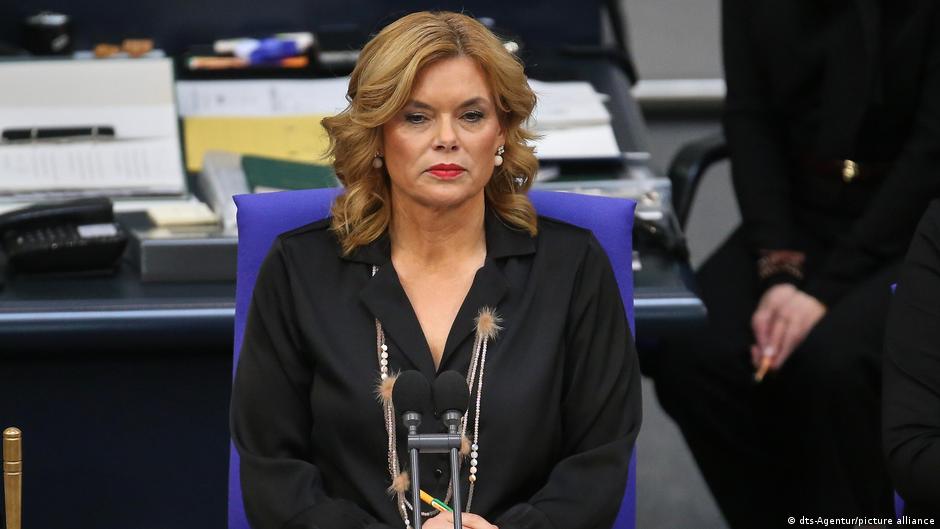
The hacking of Germany's Bundestag head’s Signal account highlights phishing risks that threaten household financial security and personal data protection.

Uzbekistan speeds up Asakabank privatization, affecting household savings, investments, and currency stability with asset transfers and financial restructuring.

Tencent and Kaspi.kz executives have acquired 6 million shares in the Kazakh fintech firm, signaling strong confidence and potential benefits for consumers’ everyday finances.

Uzbek banks report strong Q1 2026 profits with rising assets and expenses, highlighting implications for household borrowing costs and consumer banking fees.