Russian Strikes on Kyiv, Odesa and Sumy Add New Strain for Ukrainian Households
The attacks wounded children, damaged homes, offices, warehouses and cars, and underscored the financial pressure civilians face far from the front line.
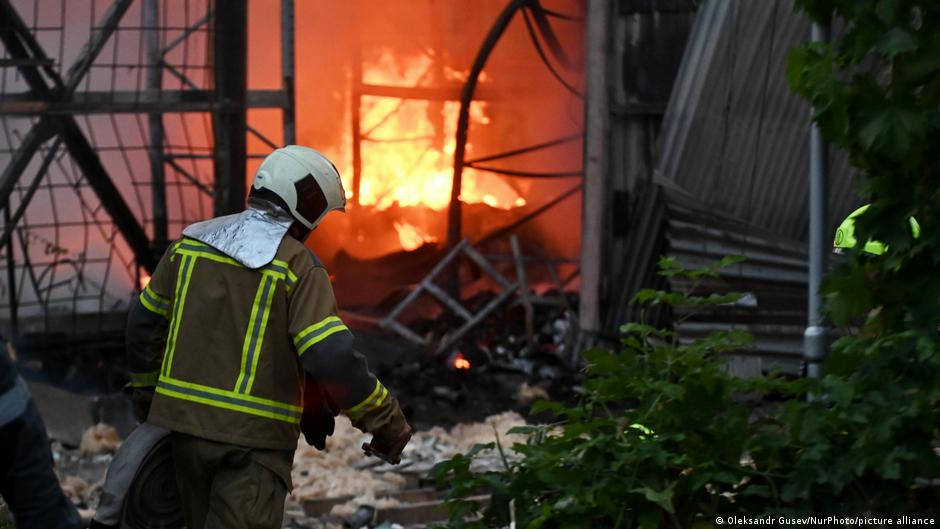
Russian attacks on Kyiv, Odesa and Sumy overnight and the previous evening caused civilian casualties and fresh damage to residential and commercial property, adding another layer of financial stress for Ukrainian households already living with the costs of war.
In Kyiv, at least 12 people were injured after Russia carried out a large-scale missile attack on the Ukrainian capital during the night of Thursday, September 17, according to Mayor Vitali Klitschko. The wounded included two children, ages 10 and 12. Klitschko said in a Telegram post that nine of the injured were in hospitals.
Kyiv’s city military administration earlier reported that the 10-year-old child injured in the Russian attack was a girl. The account of the injuries immediately put the focus on the human toll, but the physical damage described by city officials also points to the kinds of expenses that can quickly hit families, landlords, small businesses and public institutions: shattered windows, damaged facades, struck apartment buildings and damaged nonresidential premises.
By morning, officials said warehouse facilities had been damaged in the Solomianskyi and Dniprovskyi districts of Kyiv. The city administration also reported damage to a residential building in the Dniprovskyi district. Klitschko, in his own update, said glazing and the facade of a three-story office building in Dniprovskyi had been damaged, and that windows were blown out in several residential buildings. In the Sviatoshynskyi district, he said a nonresidential building was damaged.
“Nine of the injured are in hospitals,” Klitschko wrote, according to the reported Telegram update.
Ukraine’s State Emergency Service separately said the facade and glazing of a four-story university building in Kyiv’s Holosiivskyi district were damaged. The name of the educational institution was not specified. No deaths or injuries resulted from that incident, according to the service’s report.
Property Damage Becomes a Household Budget Issue
For families, the financial impact of a strike can begin even when the physical injuries are limited or absent. Broken windows, damaged facades and hit residential buildings can mean emergency repairs, temporary relocation, replacement of damaged belongings and lost income if work is interrupted. For apartment residents, repairs to shared areas can become a collective burden. For homeowners, damage to outbuildings or vehicles can affect both daily life and the ability to earn.
The reported damage to warehouses in Kyiv also has a consumer dimension. Warehouses are part of the supply chain that keeps shops, services and local businesses operating. The source report did not identify the warehouses or their contents, and no estimate of losses was provided. Still, in a wartime economy, damage to storage facilities can create pressure on business continuity, delivery schedules and replacement costs, all of which can ultimately filter through to households.
Ukraine’s Air Force reported on Telegram during the night of September 17 that missiles were moving toward Kyiv. Such alerts have become part of the daily financial reality for residents and businesses: workdays are interrupted, transport and logistics can be delayed, and families must make repeated spending decisions around backup power, safer shelter, emergency supplies and repairs.
The same night, Odesa also came under attack. Serhiy Lysak, head of the Odesa city military administration, said at least three people were wounded in the Russian attack on the city, including a four-year-old child. “All are receiving the necessary medical assistance,” the reported post said.
Lysak had earlier said that a multistory building in Odesa was damaged as a result of the Russian attack. The report did not give a cost estimate or details on the scale of the damage, but for residents of a multistory building, even localized destruction can bring immediate costs: securing apartments, replacing windows, arranging temporary stays and dealing with lost access to utilities or common spaces.
Sumy Reports Death, Injuries and Damage to Private Property
The previous evening, Ukraine’s State Emergency Service reported that Russian airstrikes in Sumy killed one person and injured nine others, including two children. The service said guided aerial bomb attacks destroyed and damaged private residential houses, outbuildings and civilian cars.
“Private residential houses, outbuildings and civilian cars were destroyed and damaged,” the emergency service said in the reported post.
That list of damaged property is particularly significant from a personal-finance perspective. Private houses and utility buildings often represent a household’s main assets, while cars can be essential for commuting, evacuation, medical appointments or small business work. The source report did not provide an assessment of the value of the damage, whether insurance covered any losses, or whether public compensation would be available.
For everyday investors and savers watching Ukraine’s economy, incidents like these are also reminders that civilian infrastructure damage remains a continuing risk. The reported strikes affected homes, offices, warehouses, a university building, outbuildings and cars across three cities. Each category has a different financial chain reaction: households may face repair bills, businesses may face interruptions, and local authorities may have to redirect resources toward emergency response and reconstruction.
No broader currency or market data was included in the source account, and the report did not claim any immediate effect on exchange rates, banking activity or consumer prices. The direct facts are narrower but stark: at least 12 people were injured in Kyiv, including two children; at least three people were injured in Odesa, including a four-year-old child; and in Sumy, one person was killed and nine were injured, including two children.
For Ukrainian households, the financial consequences of such attacks rarely stop with the first emergency response. Medical care, repairs, damaged vehicles, interrupted work and the psychological strain of repeated alerts all become part of the household balance sheet. The overnight attacks on Kyiv and Odesa, together with the strikes in Sumy, show how the war’s costs continue to reach into daily budgets as well as public accounts.



