Kyiv Power and Water Disruptions Raise Costs for Ukrainian Households
Damage to energy infrastructure disrupted essential services in Kyiv and Lutsk, adding fresh financial pressure for families and investors.
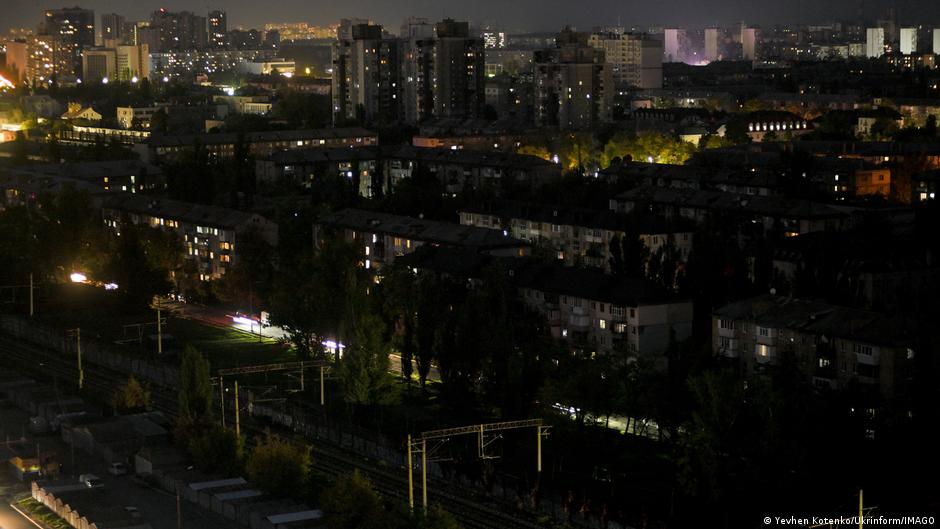
Power outages and water-supply problems hit parts of Kyiv and the surrounding region after Russian forces struck an energy infrastructure facility, Ukrainian officials said on Thursday evening, October 15. The disruption is likely to create immediate costs for households already managing the financial strain of repeated attacks on essential services.
Ukraine’s Energy Ministry and Kyiv Mayor Vitali Klitschko reported electricity cuts in several districts of the capital and the wider Kyiv region. Klitschko said damage to energy facilities in the region also caused water pressure to fall in parts of the city.
“As soon as security conditions permit, crews will promptly begin restoring the electricity supply. Energy workers are doing everything possible to restore power as quickly as possible,” the Energy Ministry said.
The duration and full extent of the outages were not specified. For residents, even relatively short disruptions can affect food storage, heating equipment, remote work, mobile communications and access to water. Longer interruptions can force families to spend more on batteries, charging services, backup power, bottled water and alternative accommodation.
Household costs spread beyond Kyiv
Electricity problems were also reported in the Volyn region after Russian forces attacked the area on the evening of October 15. Debris from intercepted drones damaged power lines, leading to interruptions in electricity and water supplies in Lutsk, the regional capital, according to Roman Romaniuk, head of the regional military administration.
Romaniuk said three jet-powered drones entered Volyn’s airspace during the evening air alerts and were shot down by air-defence forces. Although the drones were intercepted, falling debris still damaged infrastructure, illustrating how attacks can generate repair bills and economic disruption even when incoming weapons do not reach their intended targets.
For consumers, damage to local distribution networks can translate into expenses that are difficult to plan for. Households may need to replace spoiled groceries, buy water or fuel, and maintain generators or portable power stations. Small businesses face similar pressures, with shops, cafés and service providers potentially losing sales or paying more to keep refrigeration, payment terminals and internet connections operating.
The outages also carry implications for household savings. Repeated emergency purchases can erode cash reserves, while demand for imported generators, batteries and electrical equipment can increase families’ exposure to currency movements. If the Ukrainian currency weakens against the currencies used to buy imported equipment or fuel, replacement and operating costs may rise further for consumers.
Investors face renewed infrastructure risk
The latest disruptions come amid reports of a broader Russian plan intended to disable Ukraine’s energy system and cut Kyiv, Kharkiv and Odesa off from electricity, water and heating supplies. The New York Times reported the plan, citing an intercepted Russian attack document that Ukraine presented to European officials at the beginning of autumn.
According to the newspaper’s assessment, carrying out such a plan would require around 70 ballistic missiles, 720 long-range drones and 150 guided bombs. If implemented successfully, Kyiv, Kharkiv and Odesa could lose about 90% of their electricity-generation capacity, while heat supplies could decline by 90% and water and sewer systems could suffer serious disruption, the report said.
Those estimates describe a potential scenario rather than the confirmed impact of the October 15 attacks. Even so, the scale of the reported threat matters for everyday investors because energy availability affects nearly every part of the economy. Severe outages can interrupt industrial production, retail activity, banking services, transport and telecommunications, while increasing government and utility spending on repairs and emergency support.
Investors holding Ukrainian assets or securities linked to businesses operating in the country may therefore place greater emphasis on infrastructure resilience, access to backup generation and the geographic distribution of operations. Utilities and companies with large energy requirements may face particularly close scrutiny because repeated damage can raise costs and limit revenue.
The New York Times reported, citing its sources, that Russia could seek to exploit shortages in Ukraine’s air-defence capabilities, particularly a lack of interceptor missiles for Patriot systems. That vulnerability adds uncertainty over whether critical infrastructure can be consistently protected during sustained attacks.
For Ukrainian households, the immediate financial priority is likely to remain liquidity: keeping enough accessible money to cover essential purchases during service interruptions. The longer-term burden will depend on how quickly repair crews can restore supplies, whether further attacks cause additional damage and how much of the resulting cost is absorbed by utilities, public budgets or consumers.
With restoration work dependent on security conditions, the latest outages underline how military developments can quickly reach household balance sheets. Electricity and water disruptions are not only infrastructure emergencies; they can also reduce income, consume savings and increase the cost of ordinary daily needs.



