US Signals Russia Sanctions Will Stay Until War Ends, Raising Costs for Households
A reported message from the U.S. Treasury suggests sanctions relief remains off the table, extending pressure on prices, savings and investment risk tied to Russia.
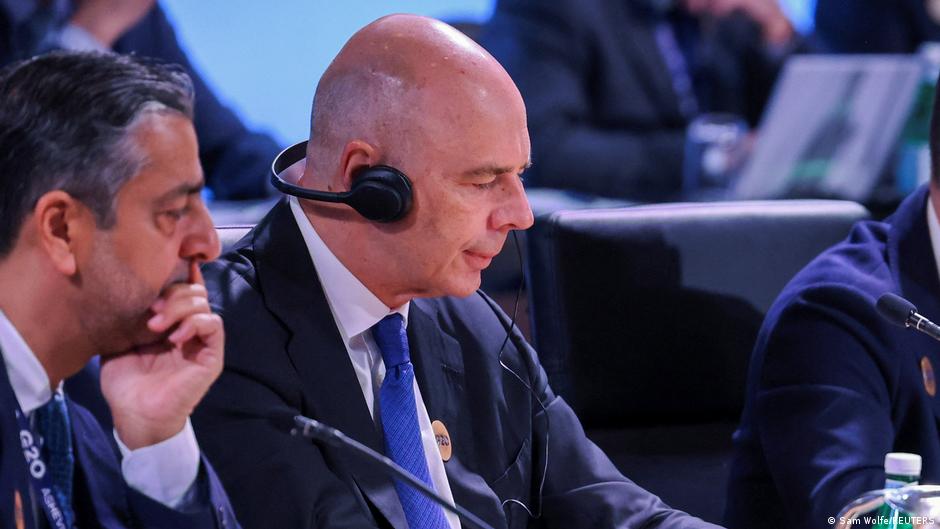
The United States has told Russia that economic pressure will not be eased before the war in Ukraine ends, according to a reported exchange between U.S. Treasury Secretary Scott Bessent and Russian Finance Minister Anton Siluanov on the sidelines of a G20 meeting. For households and everyday investors, the message matters because it points to a longer period of sanctions-related strain on currencies, cross-border payments, prices and risk sentiment around Russian assets.
According to the report, Bessent told Siluanov during the meeting of G20 finance ministers and central bank governors in Asheville, North Carolina, that Moscow should not expect any easing of economic pressure or agreements on other issues until the war in Ukraine is over. The account, published overnight into Tuesday, September 1, cited a source familiar with the content of the bilateral exchange between the Russian and U.S. ministers.
For consumers, the practical implication is that sanctions are likely to remain a continuing feature of the economic landscape rather than a short-term disruption. When sanctions stay in place, they can affect exchange rates, the cost of imported goods, access to financial services and the willingness of foreign counterparties to do business. Even when the impact is indirect, households often feel it through weaker purchasing power, higher uncertainty around savings and more volatility in markets linked to geopolitical risk.
What prolonged sanctions pressure can mean for personal finances
The reported U.S. stance does not introduce a new sanctions package by itself, but it signals that relief is not imminent. That distinction matters. Markets often move not only on actual policy changes but also on expectations about what may come next. If businesses and investors conclude that restrictions will remain until the war ends, they may continue to price in higher risk for Russian exposure and for sectors affected by trade, banking and currency controls.
For households, that can mean a prolonged period in which borrowing costs, inflation expectations and currency planning remain difficult to predict. Savers tend to be more exposed to these pressures when their money is concentrated in one currency or when access to international investment products is limited. Consumers also face knock-on effects when companies pass through higher financing or import costs into everyday prices.
“Russia should not expect any easing of economic pressure” before the war in Ukraine ends, Reuters reported Bessent as telling Siluanov.
The political backdrop around the meeting also underscored how isolated Russia remains in parts of the international financial community. Siluanov’s participation in the gathering caused unease among European states that are currently working to tighten sanctions against Russia because of the war, the report said. That matters for markets because it suggests there is still momentum among some U.S. allies for maintaining or even increasing pressure, not rolling it back.
German Finance Minister and Vice Chancellor Lars Klingbeil described the very fact of Siluanov’s presence at such an event as “an alarming signal.” Speaking to colleagues from other European countries, he also threatened to boycott the traditional group photograph if Siluanov were included. In the end, the picture was taken without the Russian minister.
Klingbeil explained his position in remarks to journalists:
“One can find room for clear criticism, debate with one another, and choose clear words about this war, but a group photo would be too big a step for me at this stage.”
He also said that representatives of other European countries joined his position. In a separate point, Klingbeil told reporters that during the morning plenary meeting he had told Siluanov that the war in Ukraine must end and reaffirmed Berlin’s support for Kyiv.
From a consumer and investor perspective, these diplomatic signals are important because they shape the odds of future policy outcomes. If major Western economies remain aligned on pressure, the path to sanctions relief looks longer and less predictable. That can keep risk premiums elevated, meaning investors may continue to demand a bigger cushion before holding assets exposed to Russia or nearby geopolitical spillovers.
The Russian Finance Ministry, in a press release published on the evening of August 31, said Siluanov and Bessent had held a meeting on the sidelines of the G20 gathering of finance ministers and central bank governors. According to that statement, they discussed issues of Russian-American interaction on the financial track and matters of cooperation within the Group of 20.
On the same day, August 31, U.S. television channel CNBC reported on its website, citing the U.S. Treasury, that Bessent discussed U.S. President Donald Trump’s Ukraine “peace plan” with Siluanov in Asheville.
That leaves consumers and small investors with a mixed but clear takeaway. Diplomacy continues, and financial officials are still talking. But the reported U.S. message suggests talks should not be mistaken for near-term economic relief. For households, that argues for caution: keeping a close eye on currency exposure, understanding how geopolitical risk can affect savings and markets, and recognizing that sanctions-related pressure may continue to filter into everyday financial decisions for as long as the war remains unresolved.