Canada Military Base Fire Raises Human and Household Financial Costs
Four soldiers were killed and dozens injured during an Alberta exercise, leaving affected military families facing profound uncertainty.
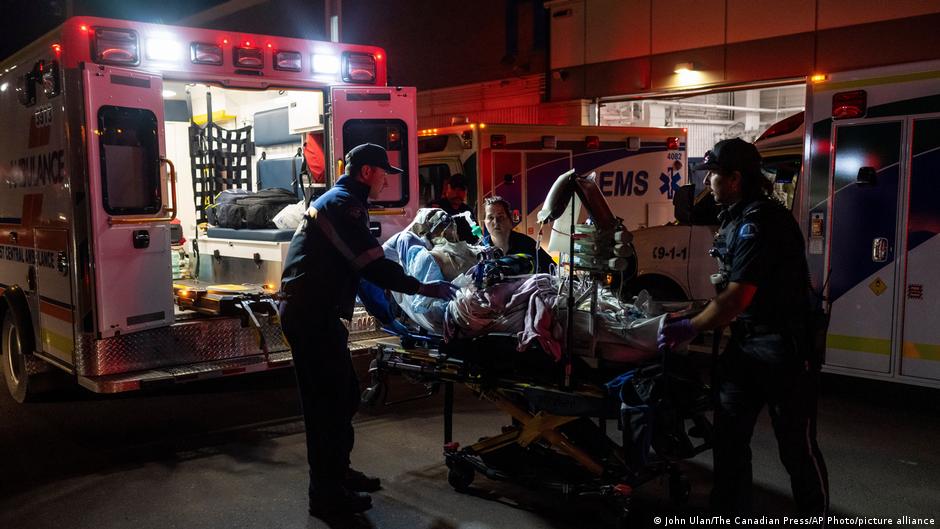
At least four Canadian Army personnel were killed and dozens were injured after a wildfire swept toward troops taking part in an exercise at Canadian Forces Base Wainwright in Alberta, according to Prime Minister Mark Carney.
The disaster, reported on Sunday, October 18, has an immediate human toll for military families and could also bring serious financial consequences for households affected by deaths, critical injuries and prolonged medical treatment. For those families, questions about income continuity, benefits, insurance, caregiving and access to savings may follow the initial shock.
“It is with deep sorrow that I must confirm that, as of now, four service members have died, and their families have been notified,” Carney said at a news conference in Ottawa.
Carney said dozens of other personnel had suffered serious injuries. Authorities reported that 19 people were in critical condition, while approximately 20 others had injuries described as less severe.
The prime minister called the fire one of the worst tragedies faced by the Canadian Armed Forces on Canadian soil during peacetime. The scale of the casualties means the financial effects are likely to extend across numerous households, although no estimate of the total economic cost was provided.
Military families face immediate financial uncertainty
For families of those killed or injured, the first financial priority is likely to be maintaining access to regular household income while navigating military compensation, insurance and survivor-support systems. The source information did not specify what benefits would be available, how quickly payments might begin or whether emergency financial assistance had been activated.
Those unanswered questions matter because even households with stable employment and savings can come under pressure after a sudden death or serious injury. Regular costs such as housing, utilities, food, transportation and debt payments continue, while families may also face travel, accommodation or caregiving expenses. In cases involving critical injuries, uncertainty about the duration of treatment and a service member’s ability to return to duty can make longer-term budgeting especially difficult.
Families should avoid making irreversible financial decisions before they have a complete account of any military, insurance or survivor benefits for which they may qualify. Gathering service records, insurance documents, beneficiary information and household account details can help relatives understand what support exists. No specific benefit amounts or eligibility rules were included in the initial report.
The incident may also test emergency-support services available to the wider military community. When dozens of people are injured at once, assistance can involve not only hospital care but also family travel, temporary accommodation, counselling and administrative support. The eventual cost to public authorities and individual households will depend heavily on the severity and duration of the injuries.
Investors await clarity on wider costs
For everyday investors and currency savers, the fire is first and foremost a national tragedy rather than an event that, on the available information, provides a clear basis for changing an investment strategy. No official estimate was given for damage to the base, firefighting costs, compensation liabilities or any effect on military operations.
Without those figures, it would be premature to calculate an impact on Canada’s public finances, the Canadian dollar or companies connected to defence and insurance. Any meaningful financial assessment would require more detail about infrastructure losses, investigations, medical and compensation expenses, and whether training activities at Wainwright or elsewhere would be disrupted.
The wildfire began during the afternoon of October 18. Military leaders decided not to halt the exercise after the fire started, according to the account. Strong winds then caused the flames to spread rapidly across the prairie toward the soldiers.
Generals said the fire travelled one kilometre in 36 seconds, illustrating how quickly conditions became dangerous. That sequence is likely to draw scrutiny of operational decisions, wildfire risk controls and the procedures used to protect personnel during training, though no findings from an investigation were provided.
For Canadian households outside the military community, the immediate lesson is not a forecast for markets but a reminder of the financial vulnerability created by sudden emergencies. Emergency savings, current beneficiary designations and accessible insurance records can reduce administrative pressure during a crisis, even though they cannot lessen the human loss.
The priority now remains the injured personnel and the families of those killed. The longer-term consequences for household finances, military spending and public budgets will become clearer only after authorities disclose the extent of the damage, the support being provided and the results of any investigation into why the exercise continued.



