Canada Military Base Fire Raises Human and Household Financial Costs
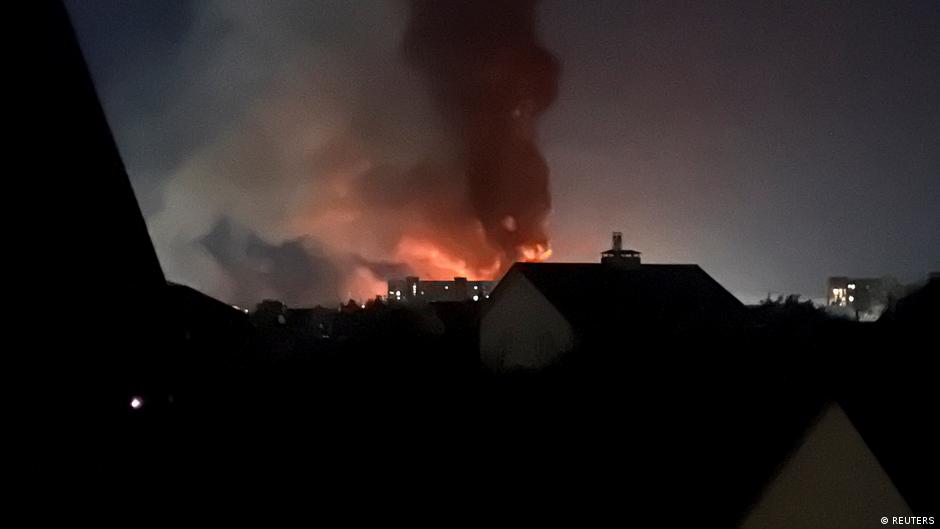
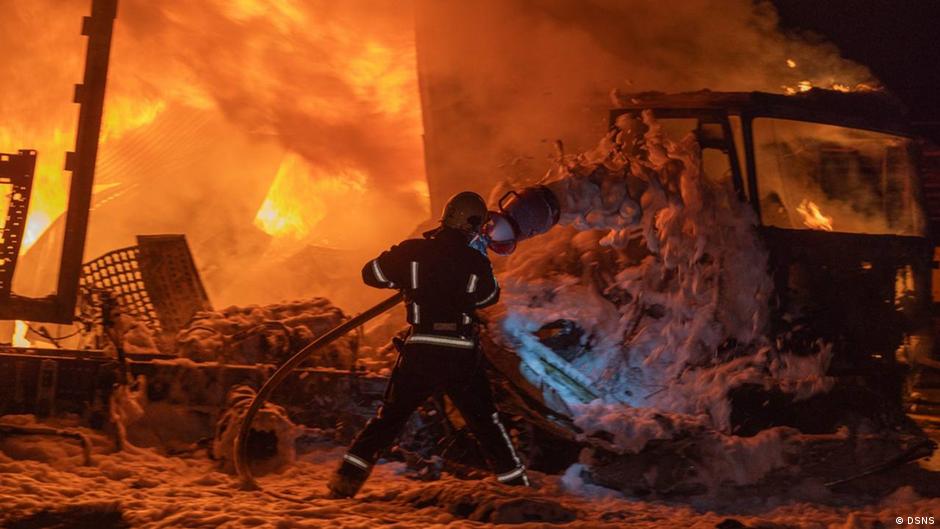
Four Canadian soldiers were killed and dozens injured in an Alberta base fire, creating profound personal and financial uncertainty for military families.

Four Canadian soldiers were killed and dozens injured in an Alberta base fire, creating profound personal and financial uncertainty for military families.

A suspected arson attack on a Polish Starlink station highlights the potential household and investment costs of threats to critical infrastructure.

Five drone incursions in one day deepen security uncertainty for Moldovan households, though officials reported no immediate financial-system impact.

A reported drone attack toward Moscow disrupted flights, diverted aircraft and created fresh cost risks for travelers, households and investors.

Trump’s Ukraine peace comments sharpen attention on energy risk, inflation pressures and currency volatility for households and investors.

Germany’s long-term Bürgergeld rolls are fueling debate over taxes, work incentives and the pressure welfare spending places on household budgets.

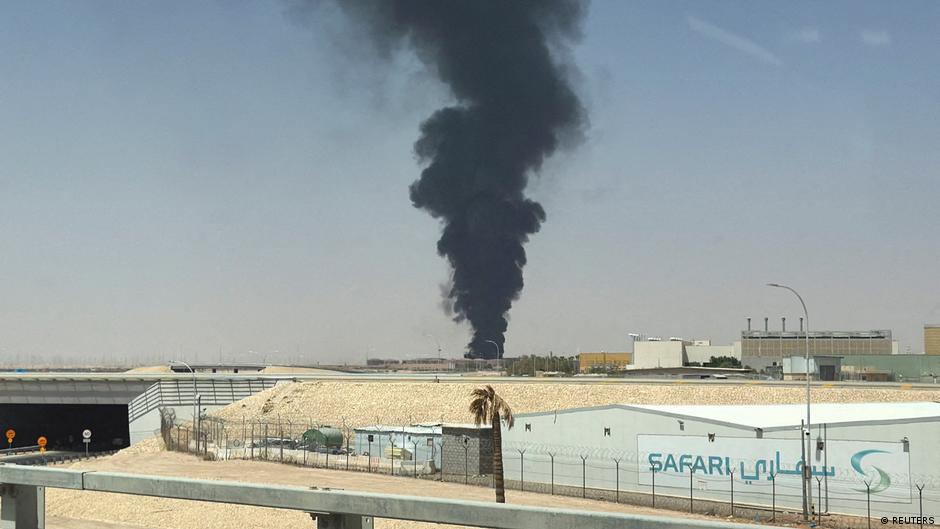
A U.S. strike disabled a cargo ship near Iran, while a tanker was hit in Hormuz, raising fresh concerns over fuel costs and household budgets.

Two Latvian citizens were detained at RAF Molesworth, adding to security concerns that may shape household costs, currencies and investor sentiment.

Ukraine will discuss a new war-ending plan with Trump envoys as households and investors watch the budget, currency and market risks.

Ukraine says 28 people were killed in a Russian missile and drone attack, renewing focus on household costs, sanctions, oil revenue and investor risk.

A reported fire at a Ryazan industrial site housing a Yandex data center highlights cloud reliability risks for consumers and investors.

A tanker fire near Sochi closed Sirius beaches and highlighted how Black Sea energy risks can reach consumers through fuel, inflation and investments.

Yemen’s new offensive against the Houthis could affect households through energy prices, shipping costs and market volatility tied to the Red Sea.

Reports from Irkutsk have prompted U.S. attention and regional border precautions, raising questions for travelers, households and investors.

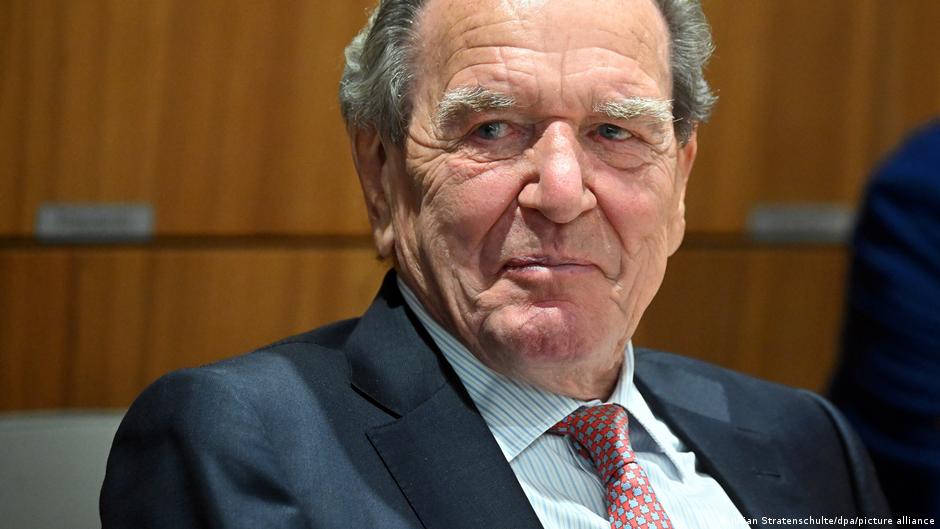
Gerhard Schröder’s new Hyperglobus role has triggered German criticism and fresh concerns over Russian retail risk and household costs.

Western plans to relocate embassies from Kyiv highlight rising winter risks for households, currencies, energy costs and investors.

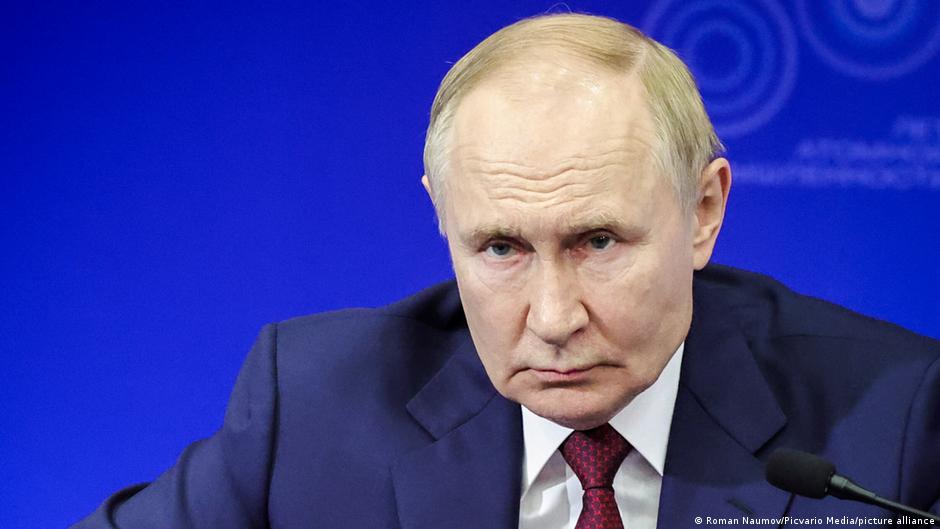
Putin’s latest Valdai remarks renewed nuclear warnings and war claims, adding another layer of uncertainty for household budgets and investors.

A Seoul-Kyiv dispute over North Korean prisoners could affect defense expectations, currency sentiment and investor risk in Asia and Europe.

Flydubai’s Israel flight suspension may force passengers into refunds, rebookings and higher-cost alternatives after a serious in-flight incident.

German and Austrian raids over alleged car exports to Russia show how sanctions enforcement can affect dealers, banks, consumers and investors.

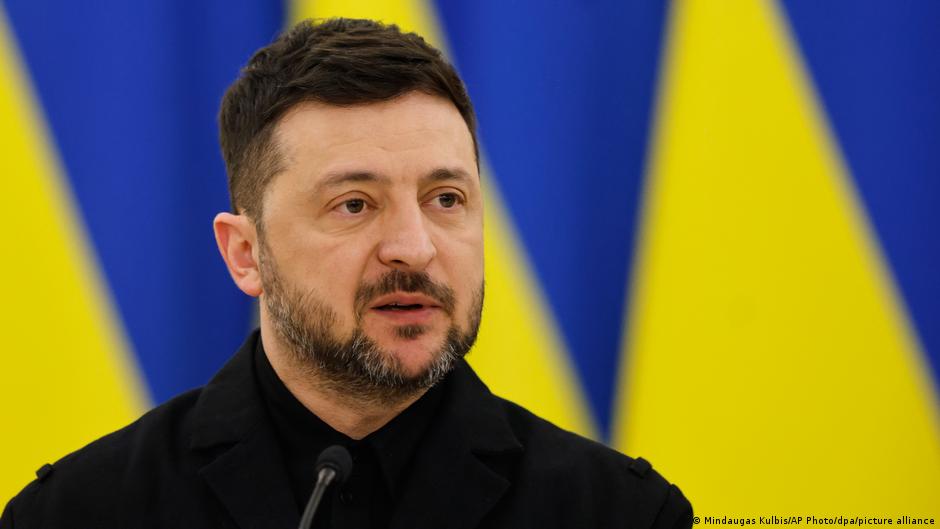
Zelensky says North Korea may send 10,000 more troops to Russia, a risk that could prolong financial uncertainty for households and investors.

The EU’s new €710 million aid package targets crises abroad, with indirect implications for public budgets, currencies and household finances.

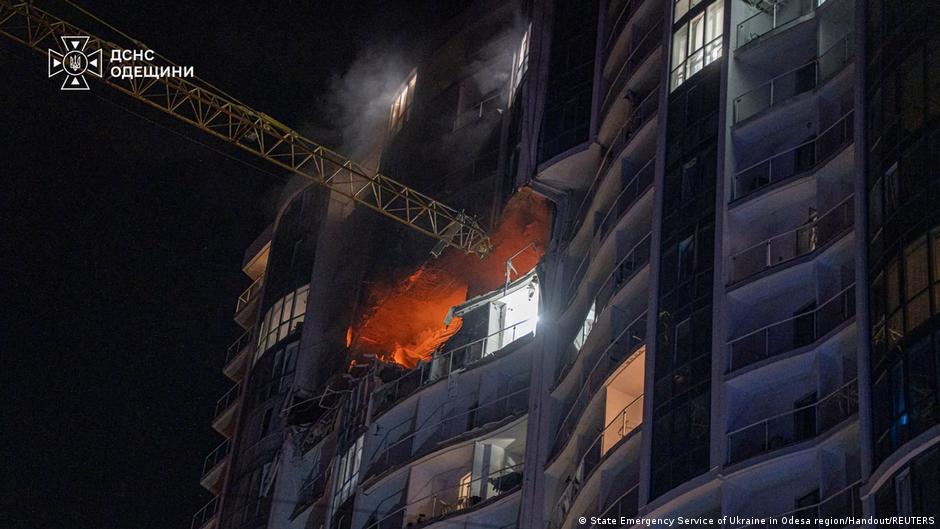
Russian drone attacks killed at least three civilians in Zaporizhzhia and hit Odesa infrastructure, adding pressure on household finances.

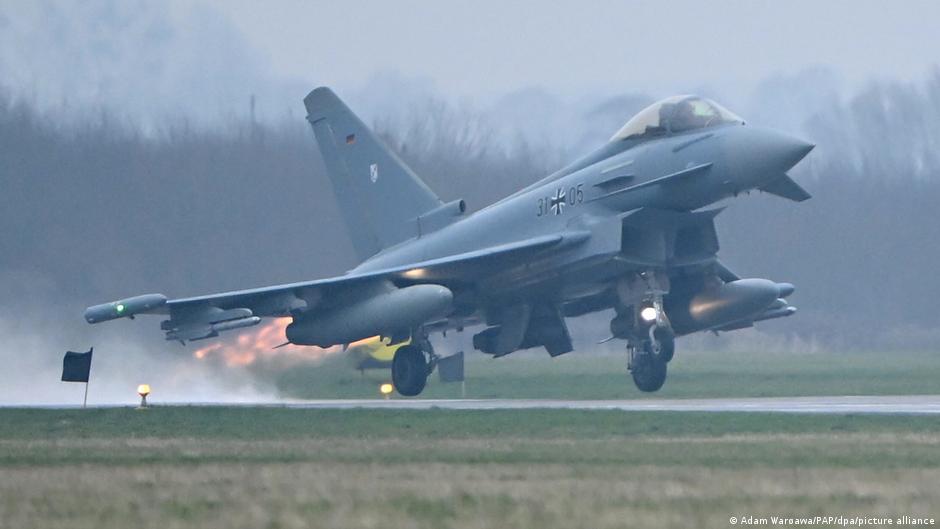
Germany’s Eurofighter deployment to Latvia highlights how Baltic security risks can affect budgets, savings and investor confidence.

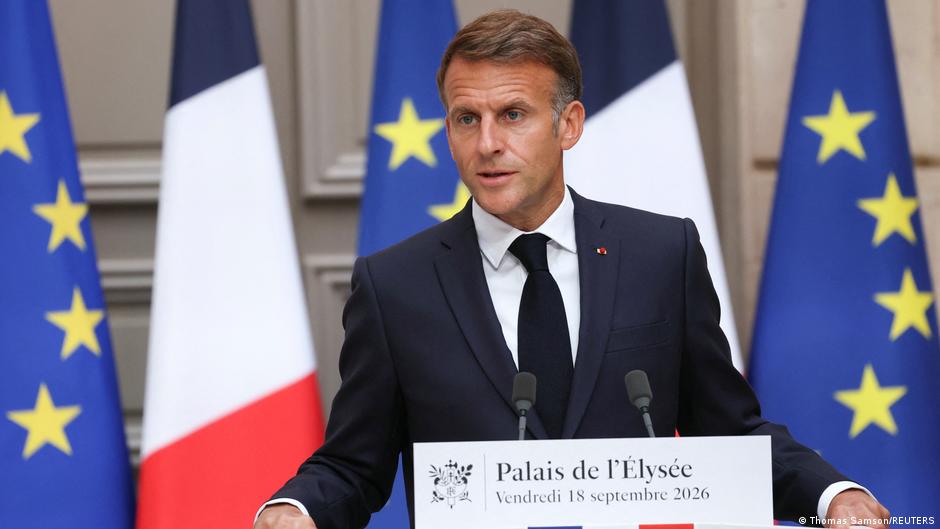
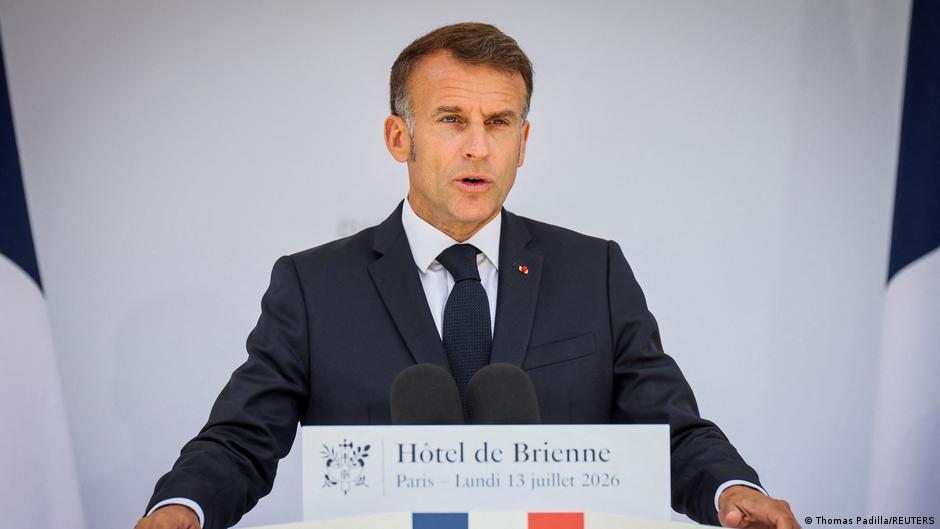
Macron says France sees a Russian mobilization of around 300,000 people as credible, raising risks for European budgets, markets and consumers.

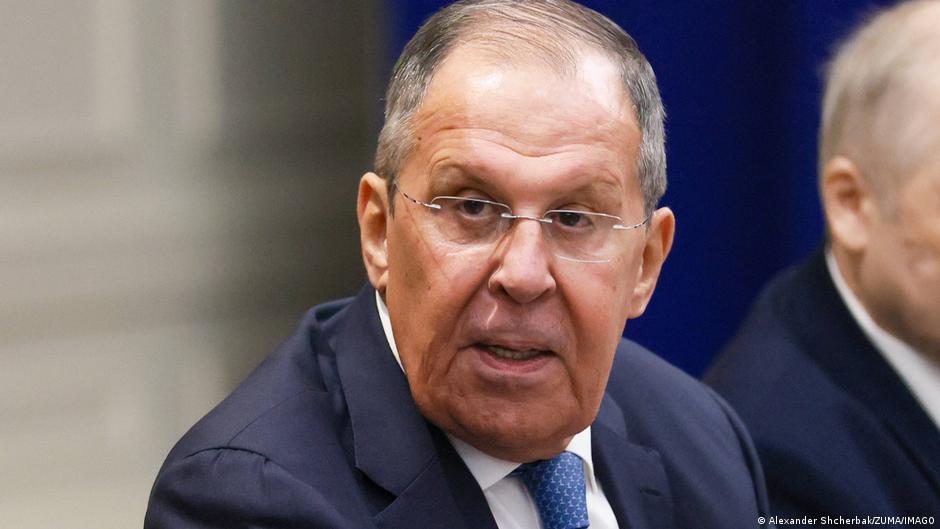
Lavrov ruled out a pause for Ukraine talks, keeping war-related uncertainty in focus for consumers, currencies and everyday investors.

Kyiv officials reported two deaths, six injuries and damage near medical and residential sites, raising new pressure on household budgets.

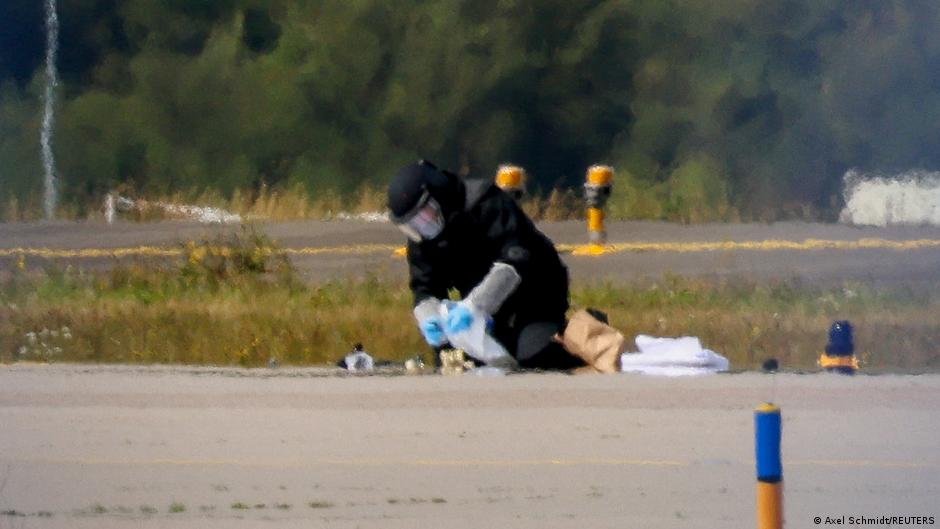
German investigators are examining a suspected explosive substance found near drone wreckage by a Bundeswehr air base in Lower Saxony.

Saudi Arabia said it intercepted a Houthi missile aimed at Riyadh, adding pressure to oil routes that affect fuel prices and consumer costs.

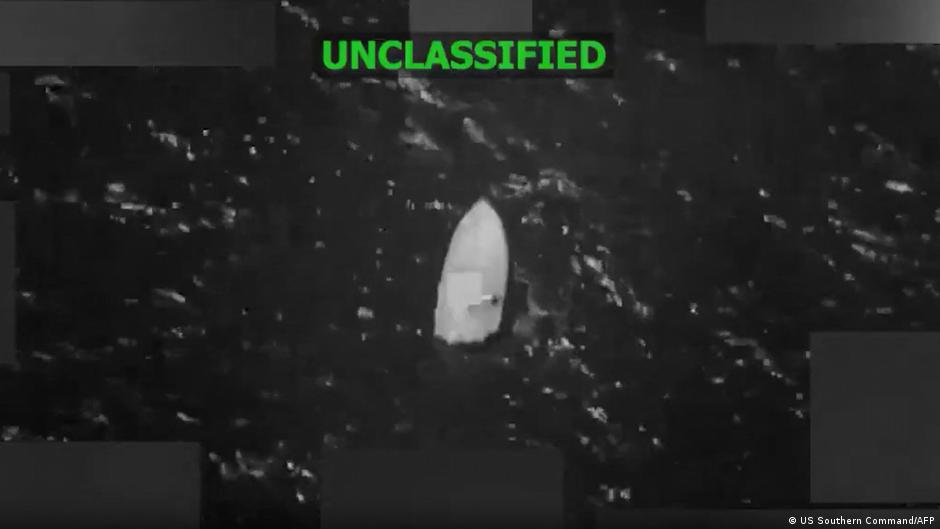
A U.S. strike on a Caribbean boat killed four people, extending a campaign that could affect household budgets through security, fuel and market risks.

A major drone attack near Moscow killed two people, disrupted airports and hit energy and logistics sites, raising consumer and investor risks.

Trump signed a sanctions law targeting Russian energy buyers, creating new risks for fuel prices, household budgets and investor portfolios.

Russian strikes killed four people and damaged homes, a hospital site, an administrative building and warehouses, adding pressure on Ukrainian households.

Russian attacks wounded civilians, including children, and damaged homes, offices, warehouses and cars in Kyiv, Odesa and Sumy.

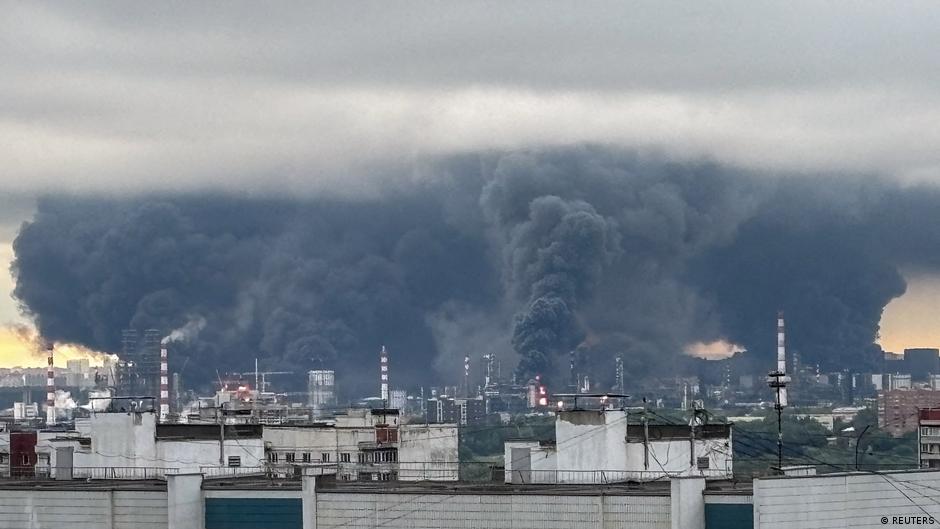
Strikes on a Russian refinery and warehouses raise questions for fuel costs, deliveries, inflation and investors tracking war risk.

Russian drone strikes hit Kyiv fuel stations, warehouses and Odesa infrastructure, killing at least two and raising household cost risks.

China warned the US against preparing for space war after Washington confirmed orbital weapons, raising risks for satellites that support daily finance.

Russia is expected to attend G20 energy talks in Houston as energy security risks continue to shape fuel costs, inflation and investor sentiment.

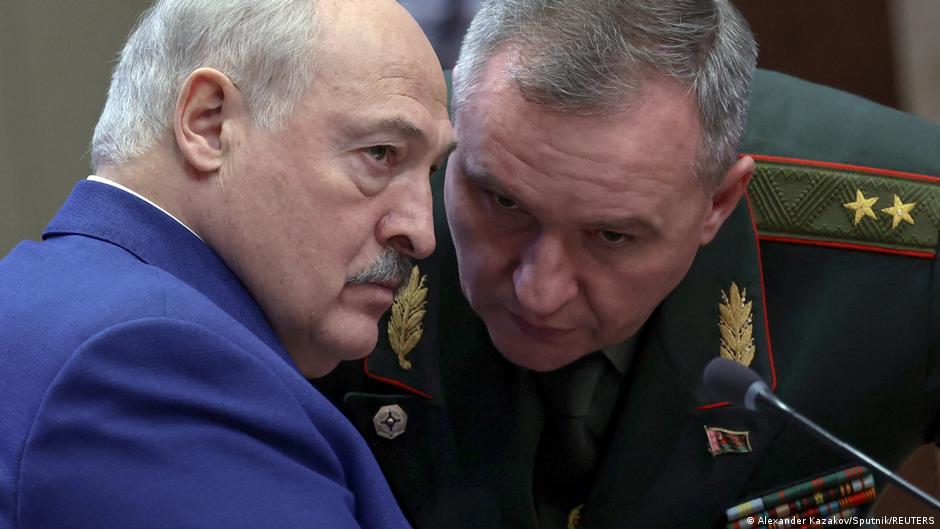
Belarus will continue army checks that may extend to mobilization, raising fresh questions for households, savers and regional investors.

Houthi gains near Bab el-Mandeb raise the risk of higher oil prices, shipping costs and market volatility for households and investors.

A reported drone threat delayed Zelensky’s flight from Moldova, highlighting how regional security risks can affect travel, currencies and household costs.

Russian strikes on Sumy and Mykolaiv killed civilians, injured dozens and damaged retail, port, warehouse and postal infrastructure.

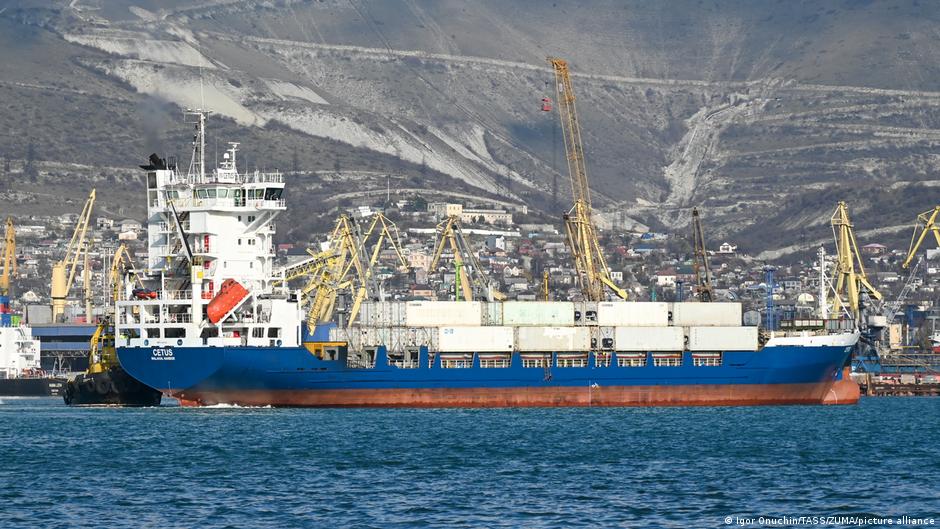
A reported drone attack and fire at Novorossiysk’s port hub could add pressure to fuel, food and market risks watched by households and investors.

Macron is seeking an EU-wide under-15 social media ban, a move that could affect family tech spending, advertising exposure and platform investors.

Russian strikes on Kyiv damaged homes, cars, garages and businesses, raising fresh financial pressure for households and local firms.

Putin backed using medically unfit volunteers for rear-area drone defense, adding financial uncertainty for Russian households and savers.

Germany’s planned anti-sabotage shield could add new cost pressures across transport, energy, cybersecurity and household budgets.

Latvia says a suspect in the Leipzig sabotage case had been living in Russia, as Germany tightens checks and sanctions enforcement with possible spillovers for travel and trade.

Norway’s seizure of a Russian vessel in a Naftogaz claim highlights how legal battles over assets can shape investor risk, currencies and household finances.

ICAO’s call for stronger protections over conflict zones may influence travel costs, insurance pricing and investor sentiment around airlines and transport.