Russian Attacks Kill Four in Ukraine as Strikes Add Pressure on Households
The latest strikes in Kherson, Odesa, Sumy and the Kyiv region damaged homes, medical and storage facilities, underscoring the civilian cost of war.
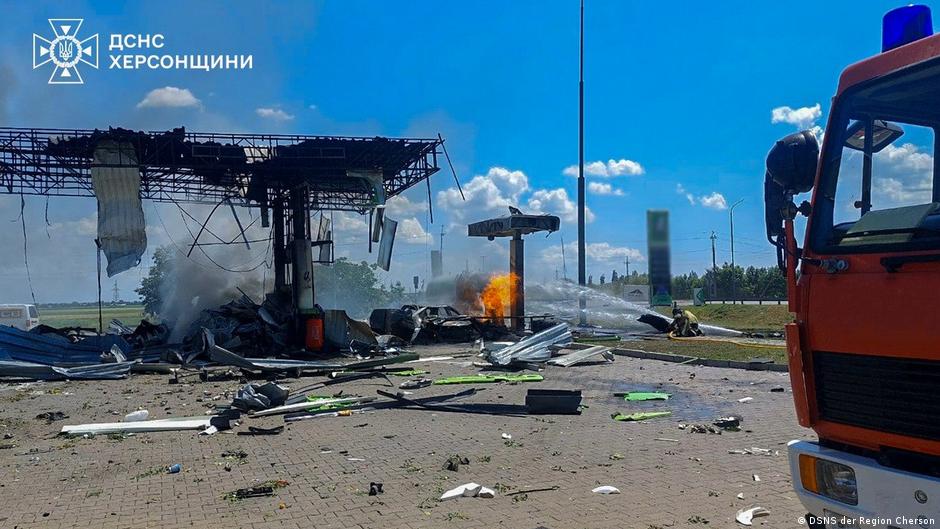
Four people were killed in Ukraine after a new wave of Russian attacks hit several regions, damaging homes, a hospital site, an administrative building and storage facilities in incidents that again pushed the war’s costs into ordinary civilian life.
Two people died near Kherson after a Russian drone strike, while at least two more were killed in Sumy after what local reports described as a guided aerial bomb hit a residential high-rise. Odesa was struck repeatedly, including an attack on the same 11-storey administrative building after emergency crews had already arrived at the scene.
For households, the immediate toll is measured first in lives lost and injuries sustained. But each strike also carries a financial shock: damaged apartments, interrupted work, emergency repairs, displacement, medical costs and pressure on local public services. In regions already accustomed to air alerts and wartime disruption, the repeated targeting of residential, medical and commercial infrastructure continues to erode household security and local economic resilience.
Deaths Reported in Kherson and Sumy
In the Kherson region, two people were killed in the village of Tekstylne on Friday evening, September 18, according to regional military administration head Oleksandr Prokudin. He said the incident occurred at around 6 p.m. after a Russian unmanned aerial vehicle struck the settlement.
“As a result of the enemy drone strike, two men sustained injuries incompatible with life,” Prokudin wrote on Telegram.
Throughout the evening, Prokudin repeatedly reported air alerts in the region, including alerts linked to possible Russian launches of guided aerial bombs. Kherson city was also hit on September 18 when a drone dropped explosives on the grounds of one of the city’s hospitals. No casualties were reported in that incident.
For residents, attacks on medical facilities carry a broader economic burden even when there are no immediate injuries. Hospitals are critical infrastructure for families managing chronic care, emergency treatment and wartime trauma. Damage to hospital grounds can disrupt access, raise operating costs and stretch local budgets that are already under pressure from security needs and reconstruction demands.
In Sumy, Russian strikes hit the city on the evening of September 18. One projectile struck a multi-storey residential building, with reports indicating it was a guided aerial bomb. The explosion damaged several apartments, and the building partially collapsed. According to preliminary data from local authorities, at least two people were killed and seven others were injured.
The damage to apartments is likely to create immediate financial distress for affected families. Even where emergency aid is available, households can face costs for temporary accommodation, replacement documents, medicines, transport and basic goods. For homeowners and tenants alike, the destruction of residential property also raises longer-term questions about savings, insurance gaps and compensation processes in wartime conditions.
Odesa Hit Twice at Same Building
The State Emergency Service in the Odesa region reported the consequences of another round of Russian attacks on September 18. A strike hit an 11-storey administrative building, causing a fire. Some time later, while emergency services were working at the site, the same building was attacked again.
Ten people were reported injured in that incident, including two rescuers. The second strike on a site where emergency crews were operating adds risk not only for first responders but also for municipal finances, as rescue operations, equipment losses and building damage can quickly multiply the cost of recovery.
Odesa was attacked again overnight into September 19. After an air alert was declared in the city and reports circulated about the approach of Russian small-sized missiles, local residents posted footage on social media showing a fire that had started in a residential building within the city. Initial details about that incident were not provided.
For a port city and regional economic hub, repeated attacks can affect more than damaged buildings. They can interrupt business operations, reduce consumer confidence, complicate logistics and force families to keep more money in cash or essential goods rather than savings. In wartime cities, household budgeting often shifts toward emergency reserves, repairs and mobility, while discretionary spending and investment become harder to plan.
Kyiv Region Storage Sites Damaged
The military administration of the Kyiv region also reported consequences from Russian strikes on the evening of September 18. According to regional administration head Tymur Tkachenko, two men were injured in the Bucha district after a strike hit warehouse premises. Storage facilities were also damaged in the Boryspil district of the region.
Damage to warehouses can have a direct consumer impact if goods, equipment or supply chains are affected. Even when the full commercial consequences are not immediately clear, attacks on storage infrastructure can add costs for businesses, which may later feed into prices, shortages or delays for households. For small firms, repairs and lost inventory can mean reduced income for owners and employees.
The latest incidents show how the war’s financial burden is distributed across families, local governments, emergency services and businesses. A destroyed apartment can wipe out years of savings. A damaged warehouse can disrupt livelihoods. A hospital strike can make routine care harder to access. Repeated air alerts can reduce working hours, close schools and force families to spend on backup power, transport, repairs and contingency plans.
Everyday investors and savers also face the indirect effects of such attacks. Wartime uncertainty can influence currency behavior, risk appetite and household decisions about whether to hold savings in local currency, foreign currency, bank deposits or tangible essentials. While the source reports did not provide market data, the pattern of strikes underlines why many Ukrainian households continue to treat financial planning as part of personal security.
The human toll remains central: at least four people were killed across the reported attacks, and multiple others were injured. Yet the economic aftermath will continue beyond the first emergency response, as families, rescue workers, hospitals, building managers, businesses and local authorities absorb the costs of damage and disruption.