Russian Drone Strikes on Kyiv Fuel Stations Raise New Cost Pressures
The attacks killed at least two people and damaged logistics, port and transport infrastructure, adding risks for consumers and investors.
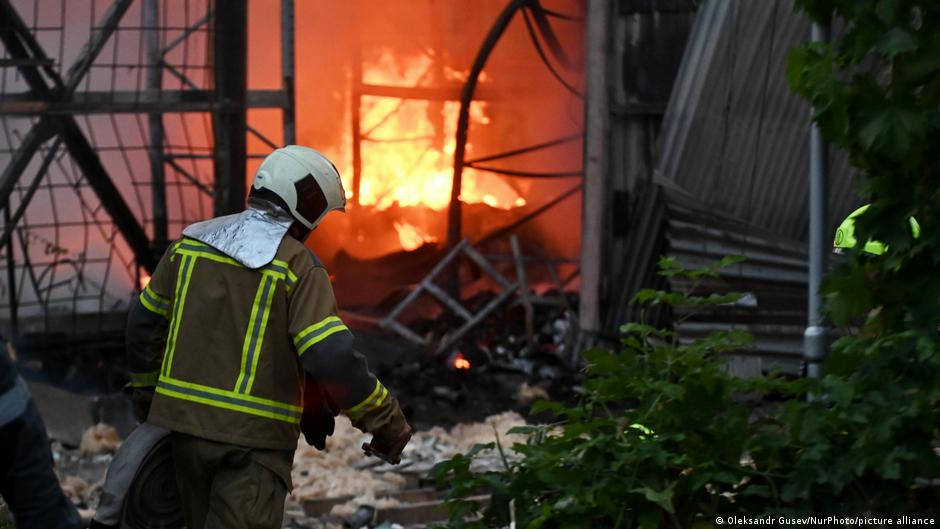
Russian drone strikes hit fuel stations and warehouse facilities in Kyiv early Tuesday, September 15, injuring seven people, according to authorities in the Ukrainian capital, before officials later reported that one of those taken to hospital had died. The attacks also targeted civilian infrastructure in the Odesa region, including logistics, port and transport facilities, widening the potential economic impact beyond the immediate damage.
Kyiv Mayor Vitali Klitschko said Russian unmanned aerial vehicles struck filling stations in the Darnytskyi and Holosiivskyi districts. All of the injured were hospitalized, he said, with two initially listed in serious condition. Klitschko later added that one person brought to a medical facility had died.
For households, attacks on fuel stations and logistics sites carry direct financial implications. Even when supply networks continue operating, damage to retail fuel points, warehouses and transport infrastructure can increase distribution costs, complicate deliveries and add uncertainty to local prices. In wartime economies, those pressures can feed into everyday budgets through fuel, groceries, commuting costs and the prices of imported or transported goods.
The Kyiv City Military Administration said a Russian strike was recorded against warehouse premises in the Obolon district in the north of the capital. An air alert was declared in Kyiv and the surrounding region, with a yellow danger level in effect.
Infrastructure Damage Meets Household Inflation Risk
The latest strikes come at a time when Ukrainian consumers and businesses already face the financial strain of a prolonged full-scale war. Damage to logistics assets can ripple through household finances even when homes are not directly hit. Warehouses store food, consumer goods, fuel-related supplies and business inventories; disruptions can force retailers and distributors to reroute shipments, replace damaged stock or pay more for security and insurance.
In the Odesa region, officials reported a large-scale Russian attack on civilian infrastructure. Odesa is particularly important because its port and transport links are tied to trade flows, logistics and the broader movement of goods. Any disruption there can matter not only for Ukrainian businesses but also for households exposed to currency swings, higher import costs and delays in essential supplies.
“Residential buildings, logistics facilities, port and transport infrastructure came under attack,” Odesa regional military administration head Oleh Kiper wrote on Telegram.
Kiper said roofs, facades and windows of private homes were damaged, along with dozens of garages and cars. For families, that kind of damage can quickly become a balance-sheet shock: repairs, vehicle replacement, temporary relocation and lost work time can all cut into savings. In regions where insurance coverage may be limited, unavailable or complicated by war exclusions, the burden often falls directly on households.
Transport damage also matters for small businesses and individual workers. Cars and garages are not only personal assets; for many households they are tools for commuting, delivery work, trade or family care. Destruction of vehicles can mean an immediate hit to income, while higher repair demand may push up costs for parts and labor.
Ports, Currency and Everyday Investors
Port infrastructure is a key channel through which military damage can become a financial issue. Attacks that affect maritime and transport assets can weigh on export capacity, import reliability and investor confidence. For everyday investors following currencies, commodities or emerging-market assets, repeated strikes on logistics corridors can increase perceived risk around Ukraine’s economy and the region’s trade routes.
The article did not report market prices, exchange-rate moves or specific commodity impacts from the strikes. Still, the type of infrastructure targeted is closely watched because ports and logistics centers influence supply chains. When those networks are threatened, businesses may build in higher costs for storage, routing, fuel, shipping delays and contingency planning. Those costs can ultimately appear in consumer prices.
In the Zaporizhzhia region, local authorities said an infrastructure facility was also hit by Russian-launched drones. Emergency services were working to extinguish a fire at the site. One person was killed and another was injured in that attack, the regional administration said.
Ukraine’s Air Force said Russia attacked the country using 200 strike drones, including Shahed-type drones, Gerbera drones and Parody-type decoy drones. According to preliminary data, Ukrainian air defense units shot down or suppressed 187 Russian drones. Officials recorded impacts by aerial attack weapons at seven locations and falling debris from downed drones at three sites.
The scale of the overnight attack underscores the financial challenge for Ukraine’s public sector as well as its households. Air defense operations protect lives and infrastructure, but they also require sustained spending. At the same time, each successful strike can create additional repair and reconstruction costs, adding pressure to local budgets and emergency services.
Russia’s Defense Ministry, which is in the fifth year of a full-scale war against Ukraine, claimed that the strikes were carried out “on logistics centers and ports of Ukraine, as well as sea vessels used in the interests of the Armed Forces of Ukraine.” Ukrainian regional officials, however, reported damage to civilian infrastructure, residential buildings, private homes, garages and cars, in addition to logistics, port and transport facilities.
For consumers, the immediate concern is safety. The financial concern follows quickly: fuel access, repair bills, disrupted deliveries and the possibility of higher local prices. For savers and small investors, the attacks are another reminder that wartime infrastructure risk can move from headlines into household accounts, affecting cash reserves, business income and confidence in the stability of regional supply chains.



