Moscow Drone Attack Raises New Risks for Russian Consumers and Investors
The reported strikes killed two people, disrupted airports and hit energy and logistics assets that can affect prices, savings and market sentiment.
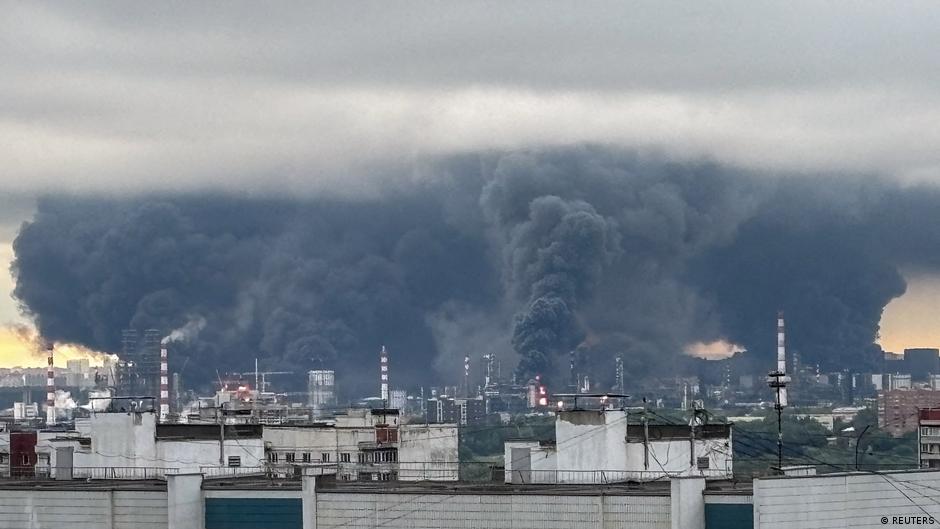
A large-scale drone attack on Moscow and the surrounding region on Sunday, September 20, left two people dead and at least six injured, according to Moscow region governor Andrei Vorobyov, adding a new layer of concern for households already watching inflation, energy costs and currency volatility.
Vorobyov wrote on Telegram that 249 Ukrainian drones had been shot down over the Moscow region. Moscow Mayor Sergei Sobyanin separately reported that 186 drones had been downed on approach to the capital. The figures, if taken together, point to one of the largest reported drone waves against the region and underline why the economic effects of the war are increasingly reaching ordinary consumers, savers and small investors far from the front line.
The immediate human toll was severe. Two people were killed and at least six were injured in the Moscow region, the governor said. Vorobyov also reported drone impacts and fires in three apartment buildings and one private home. For residents, that means not only personal danger but also potential costs linked to damaged housing, emergency repairs, insurance disputes and temporary relocation.
Energy, Logistics and the Household Budget
The attack also appeared to hit infrastructure that matters for consumer prices. Vorobyov said that after the strike in Sofyino, a warehouse complex caught fire. The anonymous Telegram channel VChK-OGPU claimed that a logistics complex of about 850,000 square meters there was fully engulfed in flames. That claim has not been independently confirmed in the source material, but the reported scale would be significant for supply chains if verified.
Logistics facilities are often invisible to consumers until they stop working. Damage to warehousing and distribution can slow deliveries, raise transportation costs and put pressure on the prices of everyday goods. For households, even localized supply chain disruption can show up as higher costs for groceries, household products or building materials, especially if firms pass on emergency expenses.
Energy infrastructure was also in focus. Sobyanin said an object on the territory of the Moscow oil refinery had been damaged and added that there were no casualties there. VChK-OGPU reported that the refinery in Moscow’s Kapotnya district was burning. The same refinery had already been attacked in June, according to the source article.
“An object on the territory of the Moscow oil refinery was damaged. There are no casualties,” Sobyanin said, according to the source text.
For consumers, the key question is whether damage to refining capacity affects fuel availability or prices. The source does not provide any official estimate of production loss, repair costs or fuel-market impact. Still, repeated reported attacks on refinery infrastructure can influence expectations, and expectations matter in consumer markets. Drivers, delivery companies and small businesses may become more sensitive to the risk of fuel price changes, even before any confirmed shortage occurs.
There were also reported attacks on power infrastructure. VChK-OGPU claimed that drones attacked a thermal power plant in Lyubertsy. The source does not include an official confirmation of damage at the plant. If energy facilities face repeated disruption, households could become more exposed to utility concerns, heating reliability questions and possible local service interruptions, depending on the extent of damage and repairs.
Airports, Travel Plans and Everyday Costs
The attack disrupted Moscow’s transport system as well. Operations were suspended at the capital’s Vnukovo, Domodedovo and Zhukovsky airports. For families and business travelers, airport suspensions can trigger direct out-of-pocket expenses: missed connections, extra hotel nights, rebooking fees and lost working time.
Even temporary airport closures can affect consumer confidence. If flight disruptions become more frequent, households may delay travel, buy more flexible tickets or shift spending away from discretionary trips. Airlines and travel companies can also face higher operating costs when schedules are interrupted, aircraft are repositioned or passengers need assistance.
Residential property damage was reported in several locations. VChK-OGPU claimed that in Kotelniki a drone hit a residential building. The Telegram channel Ostorozhno, Novosti, citing local residents, reported a fire in a residential complex in Kotelniki. In Istra, drone debris damaged an apartment in a residential building, according to Tatiana Vitusheva, head of the municipal district.
Such incidents can feed into household financial decisions. Homeowners may reassess emergency savings, repairs and insurance coverage. Renters may face sudden relocation costs if buildings are damaged. Local property markets can also become more cautious when residents perceive higher security risks, although the source article does not provide any evidence of price movement.
Currency and Investor Sentiment
For everyday investors, the financial impact of an attack like this is less about a single headline and more about accumulated risk. Repeated strikes on energy, logistics, transport and housing can weigh on sentiment toward domestic assets, increase uncertainty around corporate costs and make currency expectations more fragile.
The source article does not report any movement in the ruble, stocks, bonds or commodity prices following the attack. It also does not include official estimates of economic damage. But for savers, the relevant issue is how security incidents can interact with inflation, interest rates and the currency. If businesses face higher risk premiums, insurance costs or repair bills, some of those costs may eventually reach consumers.
Small investors may also watch companies tied to fuel, logistics, aviation, construction and insurance. Damage to infrastructure can create uneven effects: some firms may face losses and disruptions, while others may see demand for repairs, security systems, construction work or alternative logistics. Without confirmed damage assessments, however, any market conclusion remains preliminary.
The reports also show the importance of separating official statements from channel claims. Officials confirmed deaths, injuries, large numbers of downed drones, fires in residential buildings, a warehouse fire in Sofyino, damage at the Moscow refinery site and airport suspensions. Other claims, including the full scale of the logistics fire, the refinery fire in Kapotnya, the attack on the Lyubertsy thermal power plant and the drone hit on a residential building in Kotelniki, were attributed in the source to Telegram channels or local residents.
For households, the practical takeaway is that the financial effects of the war are no longer limited to defense budgets or distant markets. They increasingly touch emergency savings, travel plans, fuel costs, housing security and investor nerves. The full economic cost of Sunday’s attack will depend on confirmed infrastructure damage, repair timelines and whether similar incidents continue.



