Drone Attack Disrupts Moscow Flights, Raising Travel Costs for Households
Russian officials said air defenses destroyed more than 100 drones headed toward Moscow, while airport restrictions diverted flights and disrupted schedules.
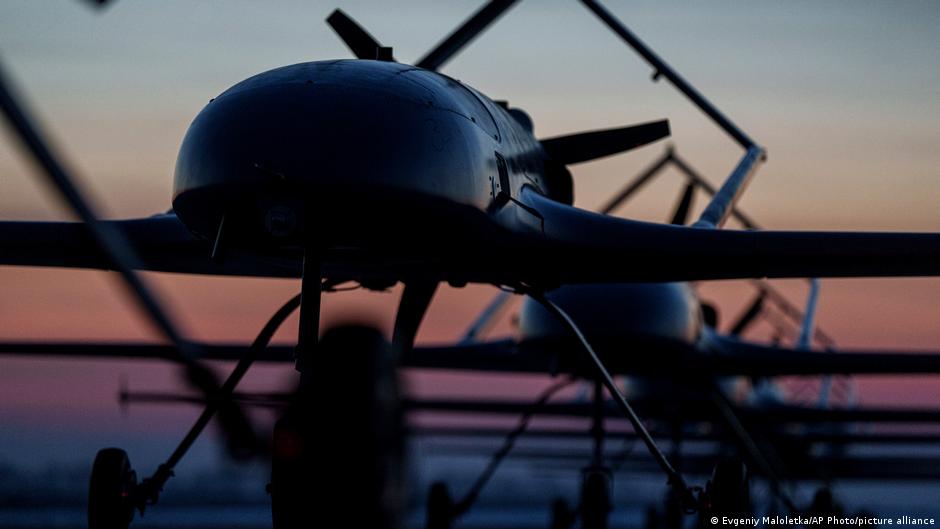
Russian officials reported a large overnight drone attack aimed toward Moscow on Wednesday, October 14, with more than 100 unmanned aerial vehicles destroyed by air defenses, according to Telegram posts by Moscow Mayor Sergei Sobyanin. The incident quickly became more than a security event for ordinary consumers: it disrupted flights across the Moscow aviation hub, forced aircraft to divert to other cities and created the kind of uncertainty that can translate into extra costs for travelers, airlines and households trying to manage tight budgets.
Sobyanin did not specify which districts of the Moscow region the drones were destroyed over, nor did he identify what their potential targets may have been. But the scale of the response was visible in the country’s aviation system. Temporary restrictions on aircraft arrivals and departures were introduced at Moscow’s Vnukovo, Domodedovo, Sheremetyevo and Zhukovsky airports on the evening of October 13, according to notices published by the Telegram channel “Govorit Rosaviatsiya.”
For passengers, even temporary airport restrictions can have immediate financial consequences. A diverted flight may mean missed connections, extra ground transport, hotel stays, rebooked tickets or lost working time. For families and individual travelers, these are not abstract macroeconomic effects; they can land directly on personal cash flow, especially when disruption happens overnight and alternative plans must be arranged quickly.
Flight Diversions Spread Costs Beyond Moscow
According to the TASS news agency, more than 30 aircraft bound for Moscow were redirected to other cities. The report said 19 planes that had been heading to Vnukovo instead landed in Nizhny Novgorod, St. Petersburg, Minsk, Pskov and Istanbul. The Telegram channel “Ostorozhno, Novosti,” associated with journalist Ksenia Sobchak, separately reported that, according to St. Petersburg’s Pulkovo airport, 20 Moscow-bound aircraft were diverted there because of the restrictions.
Such diversions can ripple through household budgets in several ways. Passengers may face delays in reaching work, medical appointments, family commitments or onward transportation. Even when airlines provide assistance, consumers may still have to cover meals, local transfers or temporary accommodation upfront. Travelers carrying foreign currency or using overseas payment cards may also have to navigate additional exchange-rate and payment frictions, particularly when a diversion sends them to a different city or, as in the TASS account, outside Russia.
The airline sector also absorbs costs from rerouting, fuel use, crew scheduling and aircraft positioning. Those costs do not always appear instantly in ticket prices, but repeated disruption can affect fares, service reliability and the travel choices available to consumers. For everyday investors watching airlines, airport operators or transport-linked companies, the episode is another reminder that geopolitical and security risks can become operational risks with direct balance-sheet consequences.
“In the Moscow airports Vnukovo, Domodedovo, Sheremetyevo and Zhukovsky, temporary restrictions were introduced on the arrival and departure of aircraft,” according to notices cited from the Rosaviatsiya Telegram channel.
Restrictions were not limited to Moscow. The Telegram channel “Govorit Rosaviatsiya” reported that overnight restrictions on October 14 were also introduced at airports in Volgograd, Nizhny Novgorod, Samara, Penza, Saratov and Yaroslavl. The airline Pobeda also reported schedule adjustments because of prolonged restrictions at airports in the Moscow aviation hub and the Volga region, according to “Ostorozhno, Novosti.”
For consumers, that wider geography matters. Disruption across several regional airports can complicate domestic travel plans, raise the chance of missed rail or bus connections and make last-minute replacement tickets more expensive. Households that book budget flights to control travel spending may be especially exposed when schedules shift and backup options are limited.
Damage Reports Add Pressure on Local Communities
The disruption came as officials in other Russian regions also reported drone-related incidents. Saratov Region Governor Roman Busargin said at least one person was killed as a result of a drone attack. He reported damage to several residential buildings in the city of Balakovo and said emergency services were working at the scene.
That statement points to another direct consumer-finance issue: damage to housing. When residential buildings are hit, families may face repair costs, temporary relocation needs and uncertainty over insurance or state compensation. Even where authorities respond quickly, households can be left managing immediate expenses while waiting for formal assessments and assistance.
In Stavropol Krai, Governor Vladimir Vladimirov said air defenses had repelled a drone attack aimed toward the industrial zone of the city of Nevinnomyssk. He did not specify which industrial facilities may have been targeted. For local residents and investors, uncertainty around industrial areas can raise concerns about employment, supply chains and municipal finances, even when officials say attacks have been repelled.
The financial impact of such incidents is difficult to quantify from the available official statements, and the reports did not provide estimates of airport losses, consumer costs or property damage. Still, the chain of events described by officials and media outlets shows how drone attacks can quickly move from the security sphere into daily economic life. Airports restrict operations, planes land elsewhere, schedules are rewritten and households are left to solve the practical and financial consequences.
For savers and retail investors, the broader lesson is about risk management rather than market timing. Travel plans may need more flexible booking terms, emergency cash buffers and careful attention to compensation rules. Investment portfolios exposed to aviation, logistics, energy, infrastructure or regional real estate may also be sensitive to disruptions that begin as security incidents but spread through transport networks and local economies.
The latest reported attack did not come with details from Sobyanin on the drones’ precise locations or intended targets near Moscow. What is clear from the official and media accounts is that more than 100 drones were said to have been destroyed, airport restrictions affected Moscow and several regional cities, dozens of flights were diverted, Pobeda adjusted schedules, and at least one death was reported in the Saratov region. For households, those facts translate into a practical concern: disruption can turn into expense very quickly.