Kyiv Missile Strike Kills 21-Year-Old, Damages Home and Metro Station
The attack underscores the financial strain facing Kyiv households as damage to housing, transport and essential services creates fresh costs.
A Russian missile strike on Kyiv on the evening of October 18 killed a 21-year-old woman and injured three other residents, according to the Ukrainian capital’s authorities.
Kyiv Mayor Vitali Klitschko said in a Telegram post that the strike hit several parts of the city. In the Desnianskyi district, a building housing a medical center was preliminarily reported to have been struck. A non-residential building was hit in the Dniprovskyi district, while the first floor of a 25-story residential building was struck in the Solomianskyi district.
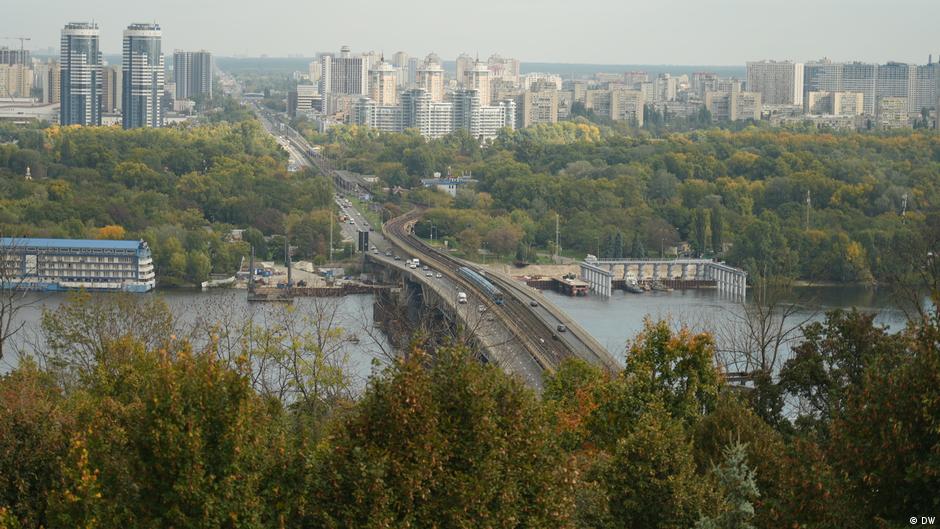
One of Kyiv’s metro stations on the left bank of the Dnipro River was also damaged, Klitschko said. Falling debris caused a break in the railway tracks, adding disruption to the direct human and physical toll of the attack.
Kyiv was attacked with a ballistic missile, Ukraine’s Air Force reported on the evening of October 18.
For residents, the consequences extend beyond the immediate danger. Damage to an apartment building, a medical facility and public transport infrastructure can quickly translate into unexpected expenses for households already managing the financial pressures of wartime life. Families affected by damaged property may need to pay for temporary accommodation, transport, repairs or replacement essentials while waiting for inspections and any available assistance.
Household budgets face sudden costs
The strike illustrates how an attack on urban infrastructure can affect everyday finances even for people whose homes are not directly hit. Damage to metro tracks may force commuters to seek alternative routes, potentially increasing spending on buses, taxis, fuel or other forms of transport. Delays can also carry indirect costs for workers and small businesses when employees, customers or deliveries cannot travel normally.
Residents of the 25-story building face a more immediate financial challenge. Even when damage is concentrated on one floor, access restrictions, safety checks and repairs can affect a much larger number of households. People may have to relocate temporarily or purchase food, clothing, medicine and household items at short notice. Such emergency spending can erode cash reserves and make it harder to meet regular obligations.
The reported strike on a medical center building also raises practical concerns for patients. Any interruption to local medical services can require residents to travel farther for appointments or seek care elsewhere. The source report did not specify the scale of the damage or whether services were suspended, but the impact on the building adds another potential pressure point for household schedules and budgets.
Savings and currency risks remain in focus
For Ukrainian savers and everyday investors, the attack is another reminder that geopolitical risk can have consequences far beyond financial markets. Households often need accessible emergency funds when property, transport or essential services are disrupted. Money committed to longer-term investments may be less useful during an immediate crisis if it cannot be accessed quickly or without losses.
Currency exposure is also an important consideration for families whose income, savings or expenses are divided between the Ukrainian hryvnia and foreign currencies. The reported attack does not by itself establish any movement in exchange rates, and no currency or market data were included in the source account. Still, renewed security concerns can sharpen household attention to the balance between readily available local-currency funds and longer-term savings held in other assets.
Consumers should avoid treating a single attack as a signal for rushed financial decisions. For households, the more direct issue is resilience: maintaining access to payment methods, keeping essential records available and preserving enough liquidity for temporary housing, transportation or medical needs. Diversification may reduce some financial risks, but it cannot remove the physical and economic consequences of damage to homes and infrastructure.
Investors assess wider economic exposure
Everyday investors following Ukraine and the broader region may view attacks on cities through the lens of infrastructure risk, reconstruction costs and business interruption. Damage to residential, medical and transport property can increase demands on municipal services and complicate commercial activity. However, the source report provided no estimate of the financial damage, repair costs or broader economic impact, making any immediate valuation premature.
The confirmed facts remain stark: a 21-year-old woman was killed, three people were injured, multiple buildings were hit, and debris damaged metro rails. The attack’s full cost to affected families and the city will depend on the extent of the damage, the duration of transport disruption and the support available to residents.



