Trump-Putin Call on Irkutsk Health Reports Adds Risk for Consumers
Reports of a possible plague-linked death in Siberia are drawing scrutiny from Washington and the WHO, with markets alert to wider economic spillovers.
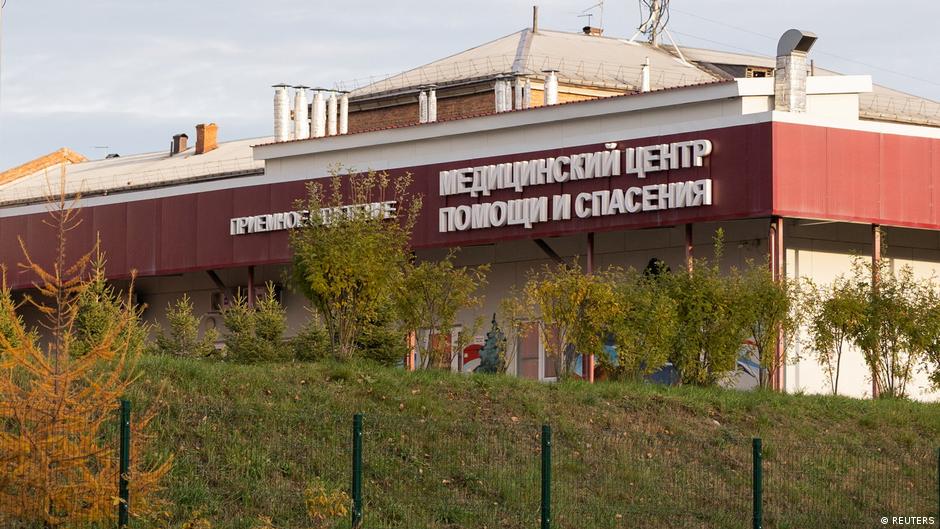
U.S. President Donald Trump plans to speak by phone with Russian President Vladimir Putin after reports surrounding the possible death of a 28-year-old laboratory worker in Irkutsk from plague, an episode that has also prompted the World Health Organization to seek further information from Russian authorities.
For households and everyday investors, the immediate story is not only a public health question. It is also a reminder of how quickly uncertainty in a major commodity-producing country can move through consumer prices, currencies and savings decisions. Russia remains deeply tied to global energy, metals and grain markets, and any hint of disruption can affect expectations long before confirmed facts are available.
Trump said on Tuesday, October 6, that the two leaders had a call scheduled soon. He made the comment when asked by a journalist whether he had discussed the situation in Irkutsk with Putin. The reports center on Daria Shipilova, a laboratory assistant at the Irkutsk Anti-Plague Institute, who died in the Shelekhov district hospital in the Irkutsk region during the night of October 2.
The WHO is in contact with Russian health authorities and has offered technical support, WHO Director-General Tedros Adhanom Ghebreyesus wrote on X overnight on October 7. At the same time, he said Russian health officials had informed the organization that no plague cases had recently been registered in the Irkutsk region.
Russian authorities told the WHO that an epidemiological investigation had been conducted, preventive and control measures had been taken, and identified contacts had been placed under medical observation and tested.
According to Ghebreyesus, Russian officials also said no high-threat pathogens were detected among the contacts and that medical monitoring of all identified contacts had been completed. In the same post, he said the WHO had requested additional information to clarify the cause of severe pneumonia, the pathogen that led to public health measures, and media reports about a second employee with pneumonia of unknown origin.
Why Household Budgets Are Watching
The financial impact of public health scares often begins with uncertainty. Consumers may not see an immediate change at the grocery store or gas pump, but traders, companies and governments may start reassessing risk. If concerns about health controls, transport, labor availability or industrial operations in Russia were to broaden, the first pressure points for global households could be energy prices and currency volatility.
That matters because fuel, heating and electricity costs feed directly into monthly budgets. They also influence the cost of moving food and consumer goods. Even when a health incident is localized, investors may price in precautionary risks if information is unclear or official statements appear incomplete. The WHO request for more details is therefore important not because it confirms a wider outbreak, but because it shows that international health authorities are still seeking clarity.
Trump had already said on October 5 that the United States was watching developments in Russia “very closely.” Asked whether the White House would respond to the reports from Russia, he said officials had just heard about the matter and that Russian authorities were calling it pneumonia. He added that pneumonia had once been easier to treat, but that germs and bacteria had become disproportionately stronger, and said the United States would help Russia.
For savers and small investors, the practical lesson is caution rather than panic. Health-related geopolitical headlines can drive short-term moves in oil, the ruble, emerging-market assets and defensive holdings such as the dollar or government bonds. But the article’s factual record does not establish a confirmed plague outbreak in Irkutsk. Russian authorities have reported pneumonia of unknown cause and said no plague cases had recently been registered in the region, according to the WHO account.
What Russian Officials Have Said
The head of neighboring Buryatia, Alexey Tsydenov, wrote on Max that Shipilova’s death was caused by plague. He later edited the post to add the word “possibly.” Russia’s consumer health watchdog, Rospotrebnadzor, said the deceased woman had been diagnosed with pneumonia, the cause of which had not been established. Irkutsk region Governor Igor Kobzev referred to a suspected “especially dangerous infection,” without naming the suspected diagnosis.
The outlet Lyudi Baikala reported on October 4 that Irkutsk city clinical hospitals No. 1, 3 and 10 had been closed for quarantine, along with a maternity hospital and the Ivano-Matreninskaya children’s clinical hospital. Separately, a mask regime was being introduced at the Irkutsk Aluminum Plant in Shelekhov, according to plant director Artyom Fominykh, who reported the measure a day earlier.
Those local restrictions are relevant to consumer finance because factories, hospitals and transport networks are part of the price chain. A mask regime at an aluminum plant does not by itself signal a production shock. But aluminum is a globally traded industrial metal, and investors tend to monitor any operational risk at production sites, especially when health precautions and geopolitical attention coincide.
The main budget risk for consumers outside Russia would come if the uncertainty escalated into broader restrictions, disrupted output, or sharpened diplomatic friction. In that case, markets could respond through higher commodity risk premiums, weaker sentiment toward Russian-linked assets, and stronger demand for perceived safe currencies. For American households, that could show up indirectly through energy costs, imported goods prices and retirement account volatility.
For now, the known facts remain narrower: Trump says a call with Putin is scheduled; the WHO says it is in contact with Russian authorities and has requested more information; Russian authorities say no plague cases have recently been registered in the Irkutsk region; and local officials and media have described pneumonia, a suspected dangerous infection, quarantines and workplace mask measures. Until more information is released, the consumer-finance takeaway is to watch the verified public health data, not the most alarming market rumor.