St Petersburg Drone Attack Raises Risks for Energy and Household Costs
Strikes on an oil terminal and data center, alongside power and transport disruptions, could add pressure to household budgets and investors.
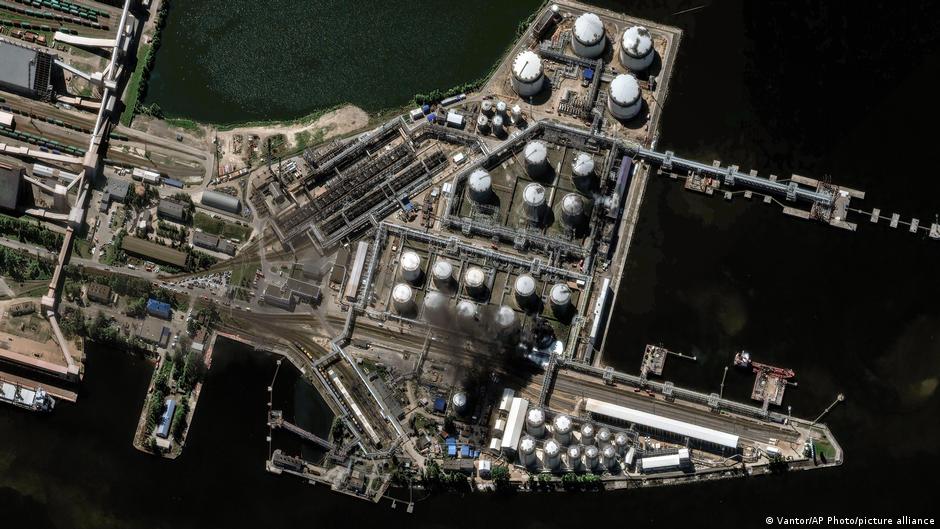
St Petersburg and the surrounding Leningrad region came under a large-scale drone attack overnight into Sunday, October 18, disrupting energy, technology and transport infrastructure in ways that could affect household expenses, access to digital services and investor sentiment.
A fire broke out at the St Petersburg Oil Terminal, while a data center operated by Russian technology company VK was also hit. Drone debris fell on residential properties and vehicles, according to local officials. Residents in several parts of St Petersburg reported electricity outages, adding an immediate financial and practical burden for households dealing with interrupted heating, refrigeration, communications or remote work.
St Petersburg Governor Alexander Beglov said emergency crews were extinguishing fires at civilian infrastructure sites in the Nevsky, Krasnoselsky, Krasnogvardeysky and Moskovsky districts, as well as at the oil terminal. He said operations at Pulkovo Airport had been restricted for safety reasons, no casualties had been reported and mobile internet disruptions were possible.
“For safety reasons, operations at Pulkovo Airport have been restricted. There are no casualties. Mobile internet disruptions are possible,” Beglov wrote on Telegram.
Energy disruption could filter into consumer costs
For households, the oil-terminal fire is the most direct potential source of financial concern. The available reports did not specify the extent of the damage, whether fuel supplies had been interrupted or how long firefighting operations would continue. Even without a confirmed supply shortage, disruption at a major petroleum facility can increase uncertainty around wholesale fuel distribution and transportation costs.
Motorists and consumers would feel any sustained disruption through fuel prices or higher delivery expenses, although no price increase was reported in the immediate aftermath. Rising logistics costs can eventually reach grocery bills and other everyday purchases. The incident may also add volatility for retail investors exposed to Russian energy, transport or infrastructure assets, but the information released so far does not establish the financial scale of the damage.
Leningrad region Governor Alexander Drozdenko said 126 drones had been shot down over the region. According to him, debris fell on an apartment building in Vsevolozhsk, a private home near Kirovsk and four vehicles in the village of Nizino. He also reported brief electricity interruptions caused by debris falling on power lines.
Residents should distinguish between short outages and broader damage to the grid. Local reports described electricity problems in parts of the Kalininsky and Krasnogvardeysky districts, as well as the Ruchyi area. St Petersburg news outlet Fontanka cited readers reporting a lack of power in those locations. Authorities had not provided an estimate of the number of affected households or the cost of property and vehicle damage.
Digital access and travel face added uncertainty
VK confirmed that a drone had attacked its data center in the Leningrad region. The company, which owns the VKontakte social network and the Max messenger, said its services remained available to users in normal mode. However, monitoring websites Sboy.rf and Detector404.ru recorded a rise in complaints about VKontakte.
Even temporary instability in digital services can carry practical costs for consumers and small businesses that rely on social networks and messaging platforms for sales, advertising, customer communication or payments. The reports did not indicate that user data had been compromised, and VK did not announce a prolonged shutdown.
Travelers also faced disruption after restrictions were imposed at Pulkovo Airport. The reports did not give details on cancellations, delays or compensation. Passengers affected by schedule changes may need to check airline policies and retain receipts for additional transport or accommodation expenses.
Telegram channels Dnipro Osint, Astra and Varlamov News reported that one drone strike hit the cable-stayed bridge across the Korabelny fairway. The bridge forms part of the Western High-Speed Diameter, a toll motorway. Authorities had not confirmed a strike on the bridge.
Fontanka nevertheless reported that the motorway was closed between the Ekateringofka River and the Shkipersky Channel, the section containing the bridge. A closure there could lengthen journeys and raise fuel or taxi costs for commuters, while also delaying commercial deliveries.
What savers and investors should watch
The immediate financial implications remain uncertain because officials and companies have not published damage assessments, restoration schedules or estimates of lost output. Consumers should watch for official updates on electricity restoration, airport operations, motorway access and fuel distribution rather than assume that the initial disruption will result in lasting shortages.
For everyday investors and savers, the attack highlights the risk that damage to energy, technology and transport infrastructure can affect several parts of the economy at once. Potential consequences include market volatility, pressure on transport costs and changes in demand for foreign currency or defensive assets. None of those outcomes was confirmed by the initial reports, however, and short-term market moves may reflect uncertainty rather than measurable economic losses.



