US-Iran Uranium Dispute Could Impact Global Markets and Household Budgets
Trump's stance on destroying Iran’s enriched uranium raises concerns for currency stability and investor confidence worldwide.
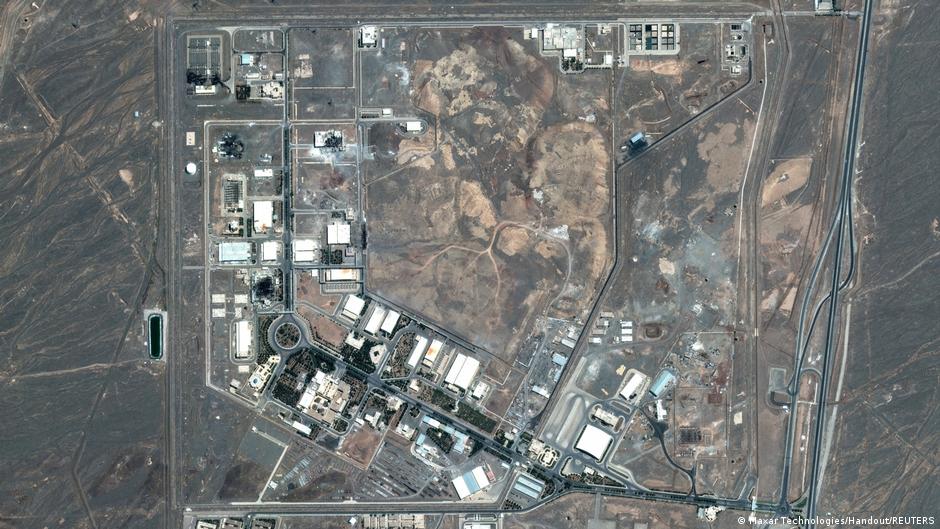
Former President Donald Trump declared that Iran’s enriched uranium stocks must be either transported to the United States for destruction or eliminated on-site under International Atomic Energy Agency (IAEA) supervision. This announcement, made on his platform Truth Social, touches on geopolitical tensions that could ripple through global financial markets and household economies.
Potential Financial Fallout from Geopolitical Risks
Trump’s statement underscores the ongoing conflict over Iran’s nuclear program, which the US and Israel have actively opposed since February 28. The US estimates Iran holds over 440 kilograms of uranium enriched to 60%, well above civilian nuclear energy requirements. This uranium could theoretically be further enriched to 90%, usable for nuclear weapons.
Markets typically respond with volatility to such high-stakes international disputes. For everyday consumers and investors, this volatility can translate into fluctuations in currency values, rising oil prices, and increased inflationary pressures that squeeze household budgets.
"The destruction of Iran’s uranium stocks, whether in the US or on-site, heightens geopolitical risk that can unsettle currency markets and investor confidence," experts warn.
Currency markets, in particular, may experience instability as investors seek safe-haven assets, potentially weakening emerging market currencies. For countries dependent on oil imports, fears of supply disruptions can drive up energy prices, directly affecting consumer expenses from transportation to heating and electricity.
Moreover, retail investors and household savers face heightened uncertainty in stock and bond markets amid geopolitical tensions. Elevated risk premiums may cause stock prices to slump and bond yields to climb, reducing returns on investments traditionally used to build retirement savings or emergency funds.
For US consumers, increased defense spending or sanctions related to the Iran issue could lead to broader fiscal pressures that translate into higher taxes or reduced social spending, further impacting disposable incomes.
While Tehran denies any intention to develop nuclear weapons and insists its program is peaceful, the threat of escalation remains. This ongoing uncertainty emphasizes the importance for households to diversify savings, consider inflation-protected investments, and monitor geopolitical developments that may affect personal finances.