US Postpones Planned Military Strike on Iran, Easing Volatility for Global Markets
Trump's decision to delay attack on Iran following Gulf leaders' intervention offers temporary relief to currencies and household finances amid Middle East tensions.
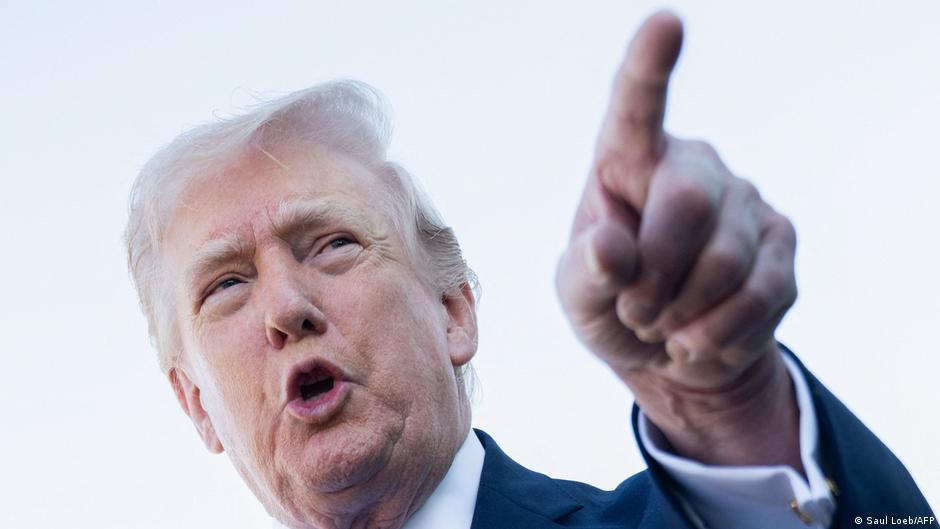
On May 18, former US President Donald Trump announced the postponement of a "planned military strike" on Iran that was scheduled for May 19. This development follows direct appeals from key Gulf leaders, including the Emir of Qatar, the Crown Prince of Saudi Arabia, and the President of the United Arab Emirates.
In a statement shared on his social media platform Truth Social, Trump revealed that Sheikh Tamim bin Hamad Al Thani of Qatar, Mohammed bin Salman of Saudi Arabia, and Sheikh Mohammed bin Zayed Al Nahyan of the UAE urged him to reconsider the strike. Citing ongoing "serious negotiations," Trump expressed optimism that a deal acceptable to the United States and the broader Middle East could be reached. The proposed agreement reportedly includes a prohibition on Iran’s development of nuclear weapons.
Implications for Household Budgets and Currencies
Geopolitical tensions in the Middle East often ripple through global markets, influencing oil prices, currency exchange rates, and inflation—factors that directly impact household budgets and savings. The prospect of military conflict between the US and Iran had raised concerns about potential spikes in oil prices, which tend to increase the cost of transportation and goods worldwide, straining consumer finances.
"The decision to postpone the strike could stabilize energy markets temporarily, easing inflationary pressures on consumers globally," said an economic analyst familiar with Middle East affairs.
Markets reacted to the announcement with a degree of relief, as uncertainty surrounding a military confrontation diminishes. For households, this means a potential stabilization of fuel prices and reduced risk of sudden cost-of-living increases. For everyday investors, especially those holding assets in energy sectors or currencies sensitive to oil price fluctuations, the delay offers a window to reassess risk exposure.
However, Trump emphasized that although the strike was postponed, US military forces remain on high alert and ready to launch a full-scale offensive if negotiations fail. This underscores the fragile nature of the situation and the ongoing risk to market stability.
Reuters reported that prior to this disclosure, there was no public knowledge of the US planning an attack on Tehran on May 19. Meanwhile, Iran’s Foreign Ministry confirmed that Tehran’s position has been communicated to the US via Pakistan. Iran’s state agency Fars published a list of five US demands for the second round of peace talks, including nuclear restrictions and asset freezes.
Iran has firmly rejected these terms as minimal trust-building measures and insists on conditions such as lifting sanctions, compensation for war damages, and recognition of its sovereignty over the Strait of Hormuz. Both sides accuse each other of violating ceasefire agreements brokered in April, with continued military provocations in the Gulf region.
What This Means for Consumers and Investors
The ongoing tension and negotiation dynamics serve as a reminder of how geopolitical risks can indirectly affect daily finances. Households may see fluctuations in energy bills and prices for imported goods, while investors may experience volatility in currency markets and commodity prices.
For consumers, monitoring developments in Middle East diplomacy can inform decisions about budgeting for fuel and essential goods. For everyday investors, diversifying portfolios to mitigate geopolitical risks might be prudent amid these uncertainties.
In summary, the postponement of the US military strike on Iran provides a temporary reprieve from heightened volatility in global markets, offering some stability to household budgets and investment environments. However, the precarious state of negotiations and ongoing regional conflicts mean that consumers and investors should remain vigilant as the situation evolves.