US Plans to Deploy Additional 5,000 Troops to Poland Amid Military Realignments
New US troop deployments to Poland follow prior plans to reduce forces in Europe, impacting geopolitical stability and potentially influencing household finances and currency markets.
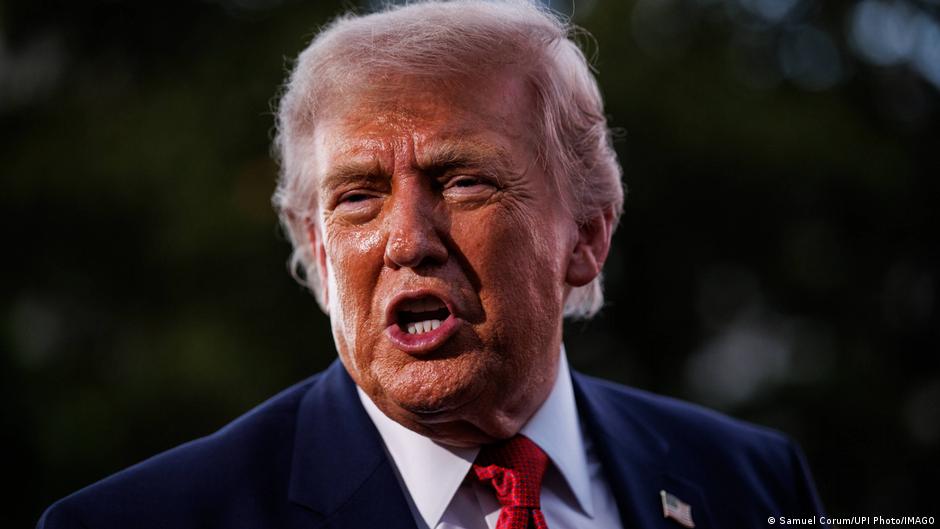
In a recent development affecting both geopolitical dynamics and global financial markets, former US President Donald Trump announced the deployment of an additional 5,000 American soldiers to Poland. This move comes just a week after the Pentagon halted the planned dispatch of 4,000 troops to the country, signaling a complex shift in US military presence in Europe.
Implications for Household Budgets and Currency Stability
While primarily a military decision, the redeployment of troops has wide-reaching consequences that ripple through everyday economics. The US military’s troop levels in Europe have a direct impact on defense spending allocations, which in turn influence federal budget priorities and currency valuations.
Previously, the Pentagon’s decision to suspend the transfer of the 2nd Armored Brigade Combat Team, part of the 1st Cavalry Division consisting of 4,000 soldiers, was seen as part of Trump’s broader strategy to reduce US forces in Europe. However, Trump’s latest announcement via his social media platform, Truth Social, indicated renewed support for Poland, referencing strong relations with the Polish president. This unexpected reversal highlights the volatility of US military commitments abroad and the potential consequences for fiscal planning.
“Given the successful election of Poland’s current president, whom I proudly supported, the United States will send an additional 5,000 troops to Poland,” Trump stated.
For American consumers and investors, fluctuations in defense spending often affect government debt levels and interest rates, which can influence household mortgage rates and credit costs. Similarly, changes in troop deployments can sway the US dollar’s strength, impacting the cost of imported goods and the value of savings held in foreign currency or investments.
In Poland, the ongoing adjustments to US troop numbers have sparked concern and uncertainty. Polish officials have oscillated between denying that troop reductions will occur and preparing for potential cutbacks amid US military reorganization. This uncertainty can affect investor confidence in the region, potentially causing currency volatility in the Polish zloty, which may translate into higher prices for imported goods and impact consumer budgets.
Broader Military and Economic Context
US defense strategy in Europe has been in flux, with approximately 100,000 US military personnel historically stationed in the region. Currently, Poland hosts roughly 7,400 troops. Following criticism from German Chancellor Friedrich Merz regarding US and Israeli policies in the Middle East, the Pentagon announced plans to withdraw one of four brigade combat teams from Europe. This move would reduce troop levels to those seen in 2021.
Despite troop reductions, NATO officials have assured that European defense capabilities will continue to strengthen. At the same time, the US military is expected to redeploy forces to other strategic regions worldwide. This realignment has significant implications for defense contractors and industries tied to military spending, affecting employment and investment patterns.
Legislative restrictions in the US Congress require that troop levels in Europe remain above 76,000 unless justified by detailed reports, ensuring some stability for allied defense commitments. Nevertheless, the fluidity of troop movements and budget reallocations underscores the interconnectedness of geopolitical decisions and their impact on personal finance.
As governments reallocate resources and military strategies evolve, consumers and investors should monitor these developments closely. Changes in defense spending can influence inflation, currency exchange rates, and government bond yields, all of which affect household budgets and savings. Understanding these links is vital for individuals seeking to navigate the complexities of global economic shifts triggered by military realignments.