US Military Strike on Vessel Bound for Iran Escalates Tensions in Strait of Hormuz
The US strike on a Gambian-flagged ship disrupts regional trade routes, impacting global oil prices and household budgets worldwide.
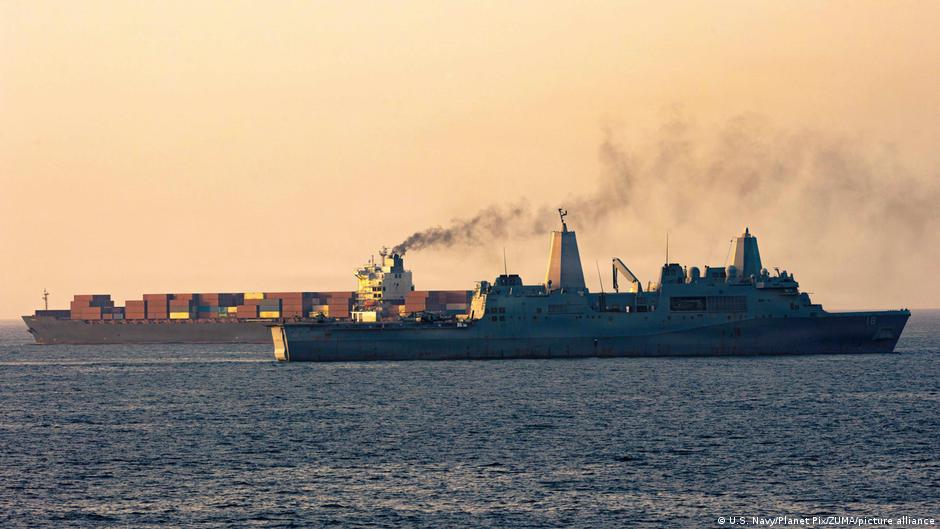
The United States military launched a missile strike on a Gambian-flagged vessel, Lian Star, navigating through the Strait of Hormuz towards an Iranian port, intensifying geopolitical tensions in a key global trade corridor. The incident, confirmed by the US Central Command (CENTCOM) on May 30, follows multiple warnings issued to the ship to alter its course away from Iran under the US-enforced blockade.
The Lian Star was targeted after allegedly ignoring more than 20 warnings about breaching the American blockade aimed at restricting Iranian maritime activity. A US aircraft fired a Hellfire missile at the ship’s engine room, disabling it and forcing its course correction away from Iranian ports.
Impact on Global Markets and Consumer Finances
The Strait of Hormuz is a critical chokepoint through which roughly 20% of the world’s traded oil passes. Any disruption here carries immediate implications for global oil supply, often resulting in volatility in crude prices. For everyday consumers, even modest increases in oil prices can cascade into higher costs at the pump and elevated prices for goods that depend on transportation.
"Supply disruptions or heightened geopolitical risk in the Strait of Hormuz tend to send shockwaves through global energy markets," said an energy market analyst. "This often translates into increased fuel prices, which directly affect household budgets, particularly in countries heavily reliant on imported oil."
The recent US action is part of broader enforcement efforts since April, when a fragile truce between Washington and Tehran commenced alongside a US blockade of Iranian-affiliated vessels in the region. CENTCOM reports having disabled five commercial ships and rerouted 116 others since the blockade’s implementation.
Iranian authorities have reciprocated by blocking US-affiliated shipping through the strait, further elevating risk for maritime trade.
The strike followed an Iranian missile attack on the US Al Asad airbase in Kuwait, which resulted in minor injuries to five US personnel and the destruction or severe damage of two costly MQ-9 Reaper drones, valued at approximately $30 million each.
"Any disruption to shipping lanes in the Strait of Hormuz can quickly translate into higher fuel costs, which squeeze household budgets and increase inflationary pressures worldwide," said a personal finance expert.
Amid the conflict, US and Iranian negotiators have reportedly reached a preliminary framework agreement to resolve ongoing hostilities. However, US President Donald Trump has yet to endorse the deal, demanding stringent conditions including Iran’s abandonment of nuclear weapons ambitions. Tehran has stated no final agreement has been reached.
For consumers and everyday investors, the unfolding instability introduces uncertainty in energy markets and currency fluctuations, potentially affecting savings and investment returns. Those with exposure to oil-dependent sectors or holding assets sensitive to geopolitical risk should monitor developments closely.
In conclusion, the US strike on the Lian Star underscores the fragility of supply chains traversing the Strait of Hormuz and signals continued volatility in energy prices. Households worldwide may feel the impact through increased living costs and market unpredictability, highlighting the intersection between geopolitical events and personal finances.