Opening of Strait of Hormuz to Ease Global Oil Supply, Impact Household Budgets
Immediate reopening of the Strait of Hormuz after US-Iran memorandum could stabilize fuel prices and affect consumer costs worldwide.
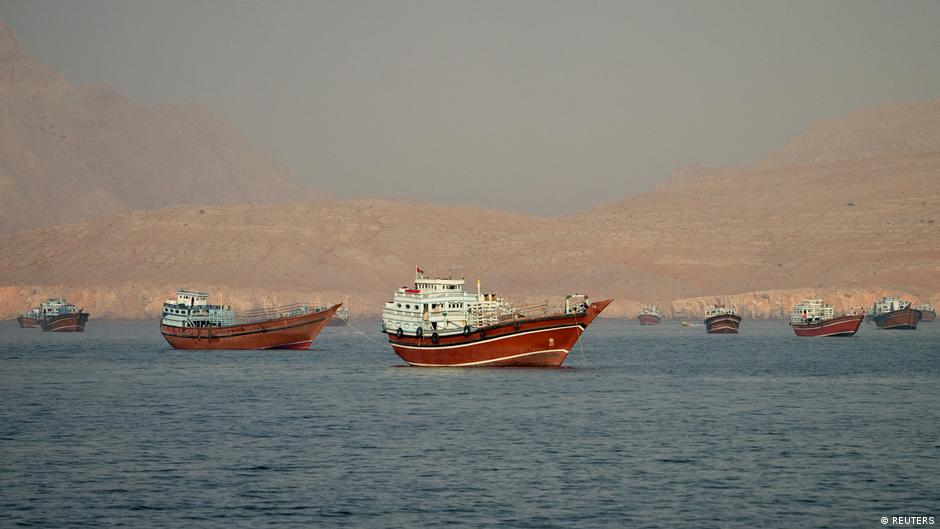
The Strait of Hormuz, a critical passage for global oil shipments, is set to reopen immediately following the signing of a peace memorandum between the United States and Iran. This development, announced by Pakistan's Prime Minister Shahbaz Sharif, signals a potential easing of geopolitical tensions that have long disrupted energy markets and influenced household budgets around the world.
Implications for Energy Prices and Consumer Finances
On June 17, the presidents of the US and Iran, Donald Trump and Masud Pezeshkian, signed a memorandum aimed at ending hostilities. According to Prime Minister Sharif, who acted as a mediator in the negotiations, the agreement has already come into effect. As a result, Iran will immediately open the Strait of Hormuz for shipping, while the US will lift its blockade of Iranian ports.
The Strait of Hormuz is a strategic chokepoint through which approximately 20% of the world’s petroleum passes. Disruptions here have historically led to spikes in oil prices, directly impacting the cost of fuel at the pump and heating expenses for consumers globally. The immediate reopening is expected to stabilize supply chains, potentially preventing sudden price surges that strain household budgets.
For everyday consumers and investors, the prospect of more predictable energy costs can influence financial planning and savings rates. Volatile oil prices often translate into inflationary pressures on goods and services, affecting everything from transportation to food prices. An easing of tensions could reduce uncertainty in currency markets and improve investor confidence, particularly in commodities and energy sectors.
"The reopening of the Strait of Hormuz marks a significant step towards reducing geopolitical risks that have long unsettled global energy markets," said a market analyst.
The memorandum sets a timeline of 60 days to finalize a comprehensive peace treaty, with a formal signing ceremony planned for June 19 in Switzerland. The event, supported by Qatar and hosted at the Bürgenstock resort near Lucerne, is intended to solidify this diplomatic breakthrough and begin detailed negotiations on technical terms.
For consumers, these diplomatic advancements could translate into more stable fuel prices and less volatility in household expenses related to energy consumption. Investors in energy markets may also find reduced risk premiums, potentially leading to more stable returns. However, the full economic impact will depend on the successful implementation of the agreement and continued peaceful relations.
As global markets respond to these developments, households worldwide may soon experience some relief in the form of steadier prices for fuel and related goods, influencing everyday spending and savings decisions.