US-China Summit in Beijing: Implications for Global Trade and Household Budgets
Trump and Xi Jinping meet in Beijing to discuss trade, energy security, and economic cooperation, impacting consumer prices and currency stability worldwide.
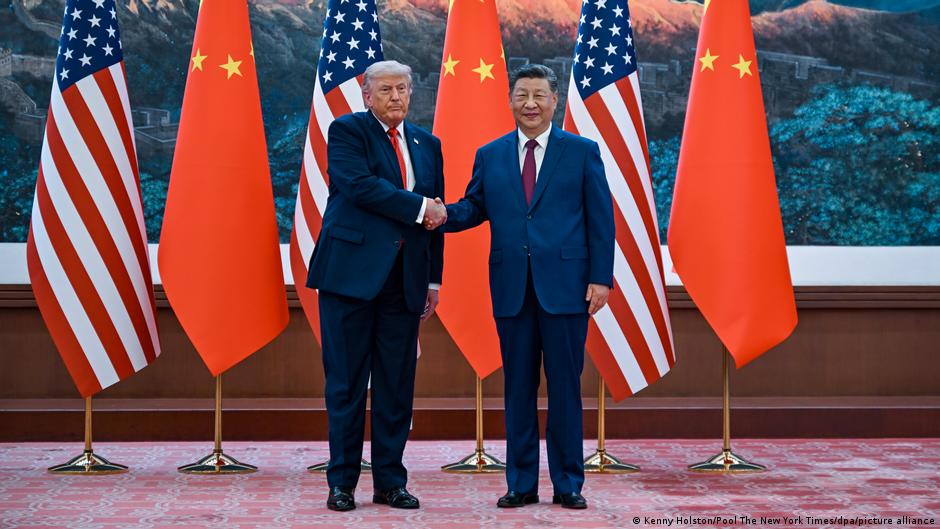
On May 14, US President Donald Trump was ceremoniously welcomed in Beijing by Chinese President Xi Jinping, marking a highly anticipated summit aimed at strengthening ties between the world’s two largest economies. The two leaders met in the Great Hall of the People on Tiananmen Square, underscoring the diplomatic significance of the occasion.
Trade Relations and Economic Impact on Consumers
Both presidents expressed optimism about a "fantastic joint future" for US-China relations. Xi emphasized the need for partnership rather than rivalry, highlighting benefits not only for their nations but for the global community. Key members of the US delegation included Secretary of State Marco Rubio, Treasury Secretary Scott Bessent, and Defense Secretary Pete Hegset, alongside business leaders Tim Cook of Apple and Elon Musk of Tesla.
Discussions are expected to focus heavily on deepening trade cooperation, particularly regarding the export of Chinese rare earth metals and the reduction of tariffs imposed amid prior disputes. In October 2025, Trump and Xi agreed on removing export barriers and easing trade tensions linked to the fentanyl crisis. This progress is crucial for consumers worldwide, as tariff reductions may help moderate prices for electronics, vehicles, and other goods that depend heavily on Chinese manufacturing and materials.
"Both nations must be partners, not rivals, as this benefits not only them but the entire world," said President Xi Jinping during the welcoming ceremony.
Energy Security and Currency Stability
A significant topic on the agenda is the conflict involving Iran and the strategic Strait of Hormuz, a vital shipping lane for global energy supplies. The US government is seeking China’s assistance in lifting Iran’s blockade of this passage, which currently disrupts the flow of oil and affects global energy markets.
China’s economy, heavily reliant on exports, has felt the strain of the ongoing energy crisis that dampens global demand. The resolution of this blockade could stabilize oil prices, easing inflationary pressures that directly impact household budgets worldwide. For everyday consumers, energy cost fluctuations influence everything from gasoline prices to heating bills, with ripple effects on the costs of goods and services.
The cooperation on energy security also has implications for currency markets. Reduced geopolitical risks typically strengthen investor confidence, helping stabilize currencies like the US dollar and Chinese yuan. For personal investors and savers, such stabilization reduces the volatility of foreign exchange rates, which can affect the value of international investments and the cost of imported goods.
Outlook for Consumers and Investors
The summit in Beijing represents an important step toward easing longstanding tensions that have affected global supply chains and market stability. For households and individual investors, improved US-China relations may lead to more predictable pricing, fewer trade disruptions, and steadier investment returns.
However, uncertainties remain, particularly concerning Taiwan and broader geopolitical dynamics. Investors should remain attentive to ongoing developments, as shifts in trade policies or regional security could influence market conditions.
Trump’s visit, his first to China since 2017, is set to last two days, with the potential to shape economic interactions that underpin the global financial system and the daily finances of millions of consumers worldwide.