Collapse of Latvian Coalition Government Raises Economic Uncertainty for Households and Investors
Latvia’s governing coalition dissolves amid defense minister’s resignation, creating political instability that may affect household budgets and currency markets.
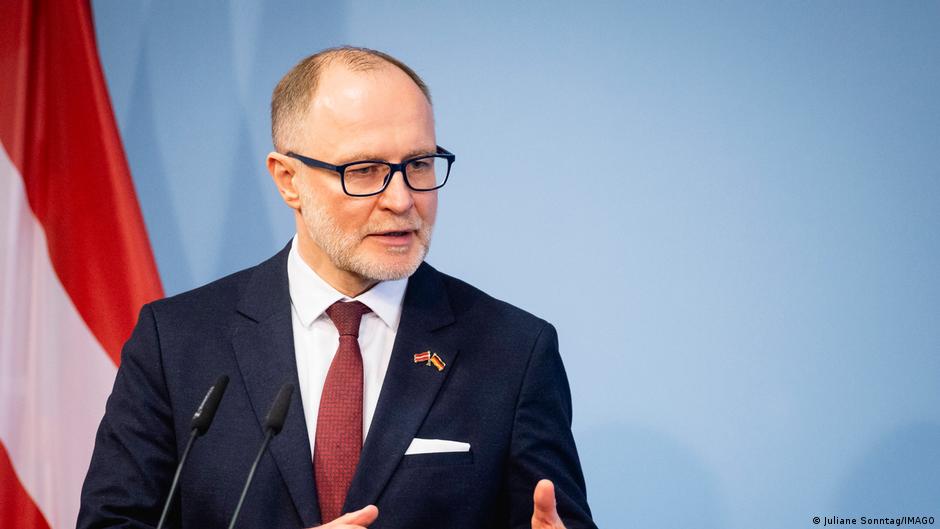
Latvia’s ruling coalition, comprising the New Unity, Progressives, and Union of Greens and Farmers parties, officially dissolved on May 13 following the resignation of Defense Minister Andris Sprūds. This political upheaval has raised concerns about economic stability, with potential implications for household finances, savings, currency fluctuations, and investor confidence.
Political Instability and Its Economic Impact
The resignation of Defense Minister Sprūds, a member of the Progressives party, came after two drones entered Latvian airspace—an incident reportedly linked to routes between Ukraine and Russia. Prime Minister Evika Siliņa subsequently lost confidence in Sprūds and proposed appointing professional military officer Colonel Raivis Melnis as his replacement.
However, the Progressives faction, led by Andris Šuvajev, declared the government ineffective and refused to fully endorse continued coalition cooperation without resolving key issues. This stance led to the coalition’s collapse and opens the door for a parliamentary vote of no confidence, with opposition parties poised to challenge the government.
"At this stage, there are only two options: either Prime Minister Siliņa resigns due to lost public trust, or the parliament ends her tenure through a vote," said Šuvajev.
With the Progressives withdrawing support, the government loses its majority, holding only 41 of 100 seats versus the opposition’s 47. This fragile political landscape introduces uncertainty ahead of the parliamentary elections scheduled five months from now.
Consequences for Households and Financial Markets
Political instability often translates into economic volatility, directly affecting Latvian households and everyday investors. Key concerns include:
- Currency Fluctuations: Political uncertainty can weaken the Latvian eurozone position and affect investor confidence, potentially leading to currency volatility and inflationary pressures impacting household purchasing power.
- Household Budgets and Inflation: Heightened geopolitical tensions and political instability can push up energy and food prices, straining family budgets and reducing disposable income.
- Savings and Investments: Turbulence in the political arena may increase risk perception, prompting households to reconsider investment strategies, possibly favoring more conservative options or delaying investments.
- Public Spending and Defense Costs: With growing emphasis on national defense, government spending priorities may shift, potentially affecting social programs and infrastructure investments relevant to everyday consumers.
President Edgars Rinkēvičs emphasized that Latvia cannot afford instability and called for decisive government action to bolster defense capabilities. He plans to meet parliamentary faction leaders to seek constructive proposals for ending the crisis.
In the current environment, Latvian households and investors should monitor developments closely, as political shifts can reverberate through economic policies, interest rates, and market dynamics.