EU Faces Fragmentation Risks Amid External Pressures from Russia, China, and the US
EU foreign policy chief warns that divisions encouraged by global powers could impact European economic stability and household finances.
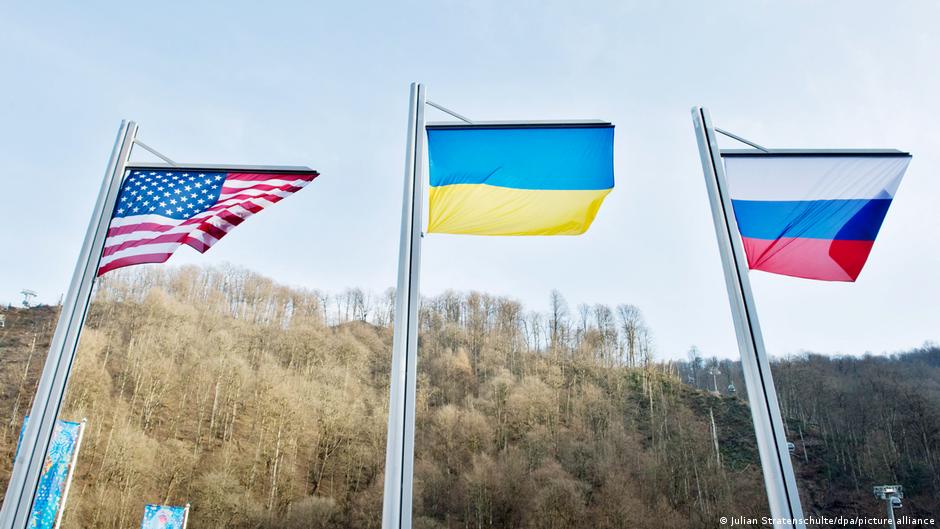
The European Union is under growing pressure from global powers Russia, China, and the United States, all of whom are perceived to be pursuing strategies aimed at weakening the bloc's unity. This geopolitical tension carries significant implications not only for EU political cohesion but also for the economic well-being of its citizens, affecting household budgets, savings, currency stability, and investment climates.
Divisions Threaten Economic Resilience of EU Households
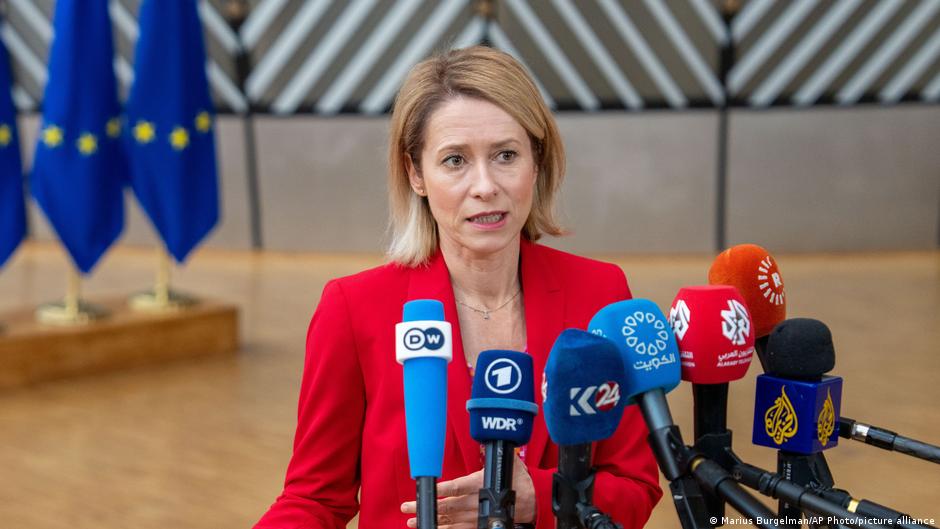
Kaja Kallas, the EU High Representative for Foreign Affairs and Security Policy, recently highlighted that these external powers prefer dealing with fragmented European nations rather than a unified bloc. "If we stick together, if we act collectively, then... we are strong," Kallas said, emphasizing that the EU's strength lies in its unity. She pointed out that Russia, China, and the US have little interest in a strong and united European Union and instead promote division as a control strategy.
"They don't like the European Union, that's quite clear," said Kallas. "But we need to understand why they don't like the EU — it's because when we act as one, we are an equal force and strong."
For consumers and ordinary investors, this geopolitical rivalry reverberates through economic channels. A disunited EU could lead to fragmented economic policies, resulting in currency volatility and market uncertainties that directly impact household savings and the value of investments. For instance, fluctuations in the euro’s strength against other currencies can affect purchasing power, inflation rates, and the cost of imports and exports.
Additionally, bilateral agreements between individual EU countries and external powers may undermine collective economic strategies, making it harder to negotiate trade deals or coordinate financial regulations effectively. Such fragmentation risks weakening consumer protections and reducing the effectiveness of EU-wide economic stimulus measures designed to support families and small investors.
Challenges from Bilateral Deals and Political Maneuvering
Kallas expressed concern over some EU member states pursuing independent agreements with Washington, a move she believes could further divide the bloc. "I am very worried because sometimes I see some countries going down this path. Division really works," she said.
This dynamic has been evident since the second term of former US President Donald Trump, when several EU nations sought to maintain direct communication channels with Washington, occasionally bypassing Brussels. Italy’s former Prime Minister Giorgia Meloni, for example, attempted to position herself as an intermediary between Europe and the US, though this strategy faltered amid political controversies.
Such political maneuvers complicate the EU’s ability to present a united front in international negotiations, which is crucial for stabilizing markets and safeguarding consumer interests. A fractured approach risks undermining investor confidence, potentially leading to capital flight or reduced foreign investment, which ultimately affects job security and economic growth within the EU.
Furthermore, Kallas rejected Russia’s proposal to have former German Chancellor Gerhard Schröder act as an EU negotiator for peace talks, describing it as unwise. This stance underscores the EU’s insistence on maintaining autonomy in its foreign policy decisions, which also plays a role in stabilizing economic expectations for the region.
Implications for Everyday Investors and Consumers
For everyday citizens, the geopolitical tug-of-war translates into tangible financial consequences. Currency instability can erode savings, especially for those holding assets in euros or relying on cross-border transactions. Market uncertainty may discourage long-term investments, affecting retirement plans and wealth accumulation. Moreover, a fragmented EU could face challenges in coordinating fiscal policies that provide social safety nets and economic support during crises.
In this context, consumers and investors are advised to monitor geopolitical developments closely and consider diversified portfolios that can help mitigate risks associated with currency fluctuations and market volatility. Awareness of the broader political landscape is increasingly crucial for personal financial planning in an interconnected global economy.
Ultimately, Kallas’ message underscores the importance of European unity not only as a geopolitical imperative but also as a foundation for economic stability that safeguards the livelihoods of millions across the continent.