US Charges Raul Castro in 1996 Killings Amid Rising Tensions with Cuba
The indictment of former Cuban leader Raul Castro signals heightened US-Cuba tensions, with potential implications for economic relations and remittances affecting households.
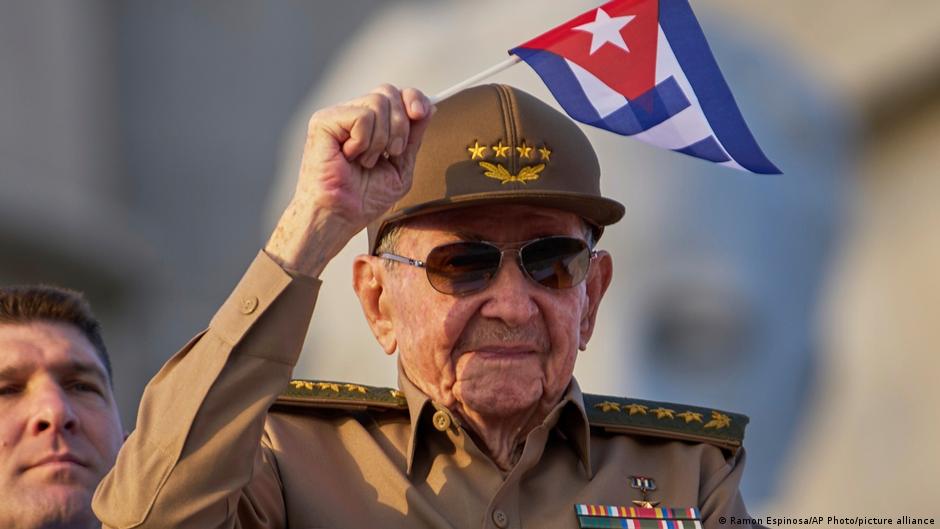
The US Department of Justice has formally charged former Cuban leader Raul Castro in connection with the 1996 shooting down of two planes operated by the Cuban exile group Brothers to the Rescue. The incident led to the deaths of four US citizens, all pilots involved in rescuing Cuban refugees at sea.
Acting US Attorney General Todd Blanche announced the charges on May 20 in Miami, accusing Castro of conspiracy to murder US nationals. At the time of the incident, Raul Castro was Cuba’s Minister of Defense. The Cuban government defended the attack, calling it a lawful response to airspace violations, though international aviation authorities later determined the planes were shot down over international waters.
Economic and Consumer Implications Amid Political Strain
While the indictment carries symbolic weight given Raul Castro’s age and the passage of time, it is part of a broader hardening of US policy towards Cuba under the Trump administration. The US recently intensified sanctions, including energy blockades and efforts to isolate the Cuban government, which have ripple effects on Cuban households and US-based families sending remittances.
"The United States and President Trump will not forget their citizens," stated Todd Blanche, emphasizing the administration's firm stance.
For Cuban-American households and everyday consumers, escalating tensions risk exacerbating the economic challenges faced by families in Cuba reliant on US dollars and remittances. Restrictions on financial flows and trade can tighten the availability of goods and currency, impacting household budgets and savings.
US Senator Marco Rubio, whose parents emigrated from Cuba, released a video urging Cubans to reject the socialist leadership, framing the situation as a choice between continued repression or potential economic renewal through closer ties with the US. However, the Cuban government's resistance to US influence complicates prospects for easing financial and consumer hardships.
The long-term impact on currency stability and investment opportunities remains uncertain. Cuban nationals and Cuban-Americans engaged in cross-border trade and investment could face greater risks amid sanctions and political uncertainty. Those with savings or assets exposed to currency fluctuations in Cuba may see increased volatility.
Raul Castro, who played a key role in thawing relations with the US under the Obama administration, stepped down from leadership roles in 2018. Since then, relations have deteriorated notably, especially after the US ousted Venezuela's President Nicolás Maduro, a key ally of Cuba, and intensified embargo measures.
As legal actions against Cuban officials unfold alongside geopolitical tensions, consumers and investors connected to Cuba should monitor developments closely. Changes in US policy could affect remittance flows, currency exchange rates, and access to goods, all of which are crucial to household financial health.