US Senate Advances Resolution to End Iran Conflict: Implications for Household Economies and Markets
Senate moves to require presidential approval for military action against Iran, impacting currency stability and investment risks.
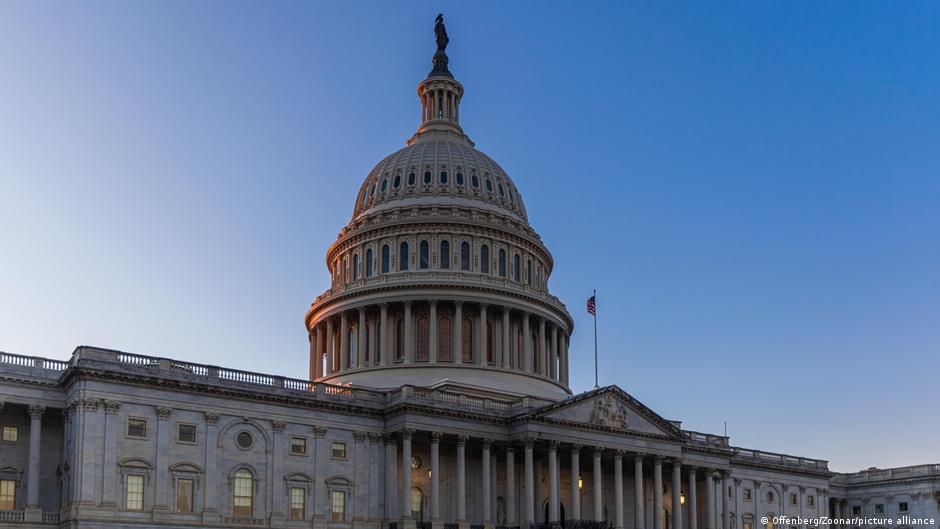
On May 19, the US Senate voted to consider a resolution that would compel President Donald Trump to either end military operations against Iran or obtain formal Congressional approval before continuing. This procedural vote, supported by a narrow margin of 50 to 47 senators, could significantly influence geopolitical tensions that ripple through household budgets, currency markets, and the portfolios of everyday investors.
Political Measures and Economic Consequences
The Senate’s move marks a shift in the ongoing debate over US military engagement with Iran. Previously, seven attempts to pass similar measures were blocked, largely by Republican lawmakers. The resolution aims to enforce the War Powers Act of 1973, which restricts the president’s ability to conduct hostilities without Congressional consent beyond 60 days.
Although the resolution faces hurdles—including the absence of three Republican senators due to election campaigns, making full Senate approval unlikely—it underscores growing Congressional demands for oversight. This political uncertainty feeds into market volatility, impacting the US dollar, commodities, and global risk sentiment.
"This is the perfect time for discussion before we start another war," said Senator Tim Kaine, the resolution’s procedural sponsor, highlighting the need for transparency amid a fragile ceasefire.
For American households, these developments have direct and indirect effects. Heightened geopolitical risks can lead to fluctuations in oil prices, influencing fuel costs at the pump and overall inflation. Currency volatility may affect the value of savings and foreign investments, while defense spending decisions impact government budgets and tax priorities.
Despite President Trump’s May 1 notification to Congress claiming the "end of war" with Iran after the 60-day limit, US military activities such as port blockades and naval strikes persist. This ambiguous stance continues to cast uncertainty over economic stability, with ripple effects felt in consumer prices and investment confidence.
What Consumers and Investors Should Watch
Consumer finance experts advise monitoring the evolving political landscape closely, as renewed conflict or prolonged tensions could exacerbate inflationary pressures. Investors with exposure to commodities, defense stocks, or emerging markets linked to Middle Eastern stability may need to reassess risk levels.
Additionally, fluctuations in the US dollar could influence the purchasing power of American families, especially those holding foreign currency deposits or planning international travel. Financial advisors recommend maintaining diversified portfolios and considering the potential for increased market volatility in the near term.
As the Senate continues deliberations, the interplay between political decision-making and everyday economic realities reminds households and investors alike that geopolitical dynamics are more than distant headlines—they shape the financial landscape at home.