US Cuts Scale of Military Drills with South Korea, Impacting Regional Security Spending
President Trump orders reduction in joint US-South Korea exercises, citing high costs and political disagreements.
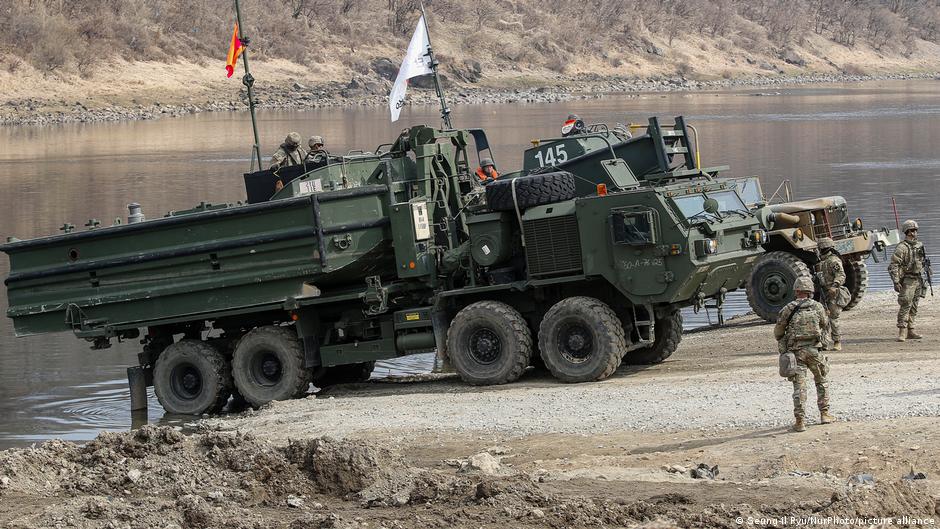
The United States is significantly scaling back its joint military exercises with South Korea, a move announced by President Donald Trump that reflects tensions over regional security commitments and budgetary concerns. The decision could have broader implications for household economies, currency stability, and everyday investors, particularly in light of the geopolitical risks in East Asia.
Background of the Military Exercises and Budget Impact
President Trump instructed US Secretary of Defense Mark Esper to reduce the scope of the Ulchi Freedom Shield drills, which are annual 11-day exercises aimed at preparing South Korean and American forces for a potential attack from North Korea. These drills, set to begin on August 17, have traditionally been a costly affair, with the majority of expenses borne by the United States.
"These exercises are not only expensive—largely funded by the United States (as usual!)—but they send an unnecessary and hostile signal to a country that, under my presidency, has posed no threat and behaved respectfully," Trump stated, referring to North Korea.
Reducing these joint exercises could lead to immediate budgetary savings for the US Department of Defense. However, it's important to consider how this decision might ripple through the economies of the region. South Korea, hosting 28,500 US military personnel, often allocates substantial resources to local infrastructure and services supporting the troops, which in turn supports jobs and local businesses.
Consumer and Financial Market Implications
For South Korean households, changes in military cooperation could influence government spending priorities, potentially impacting public services and social programs funded by national budgets. Reduced tensions with North Korea might ease defense spending pressure, freeing resources for domestic economic development. Conversely, any perceived weakening in security alliances can lead to currency volatilities; investors closely monitor such geopolitical developments, affecting the Korean won's exchange rate and market confidence.
American households and investors may also feel the effects indirectly. The scaling back of joint military drills can signal shifts in US foreign policy, influencing defense contractors and related industries. Savings on military exercises may lead to calls for reallocating defense budgets, but uncertainty could also result in market fluctuations, impacting retirement accounts and personal investments tied to defense stocks.
Moreover, Trump's remarks included criticism of South Korea's stance on US-led efforts against Iran, highlighting the complex interplay between international alliances and domestic political decisions. Such diplomatic tensions can affect global commodity prices, including oil, which in turn influence household expenses worldwide.
Looking Ahead: Stability and Economic Outlook
While South Korean President Lee Jae-myung has sought to advance peace talks with North Korea, including a recent proposal to negotiate a peace treaty, no response from Pyongyang had been received as of the announcement date. The long-standing armistice from 1953 remains in place without a formal peace agreement.
Financial experts suggest that ongoing dialogue may stabilize regional markets and currencies, benefiting households by reducing the risk premium embedded in prices and interest rates. However, any deterioration in relations could have the opposite effect, increasing expenses for consumers and complicating investment strategies for individuals managing their portfolios.
In summary, while the reduction of US-South Korean military exercises could yield short-term budget savings, its broader impact on consumer finances, currency stability, and investor confidence warrants close attention in the coming months.