Escalating Tensions in the Strait of Hormuz Pose Risks to Global Energy Prices and Household Budgets
US-Iran conflict and threats toward Oman could disrupt oil supply, impacting fuel costs, savings, and currency stability worldwide.
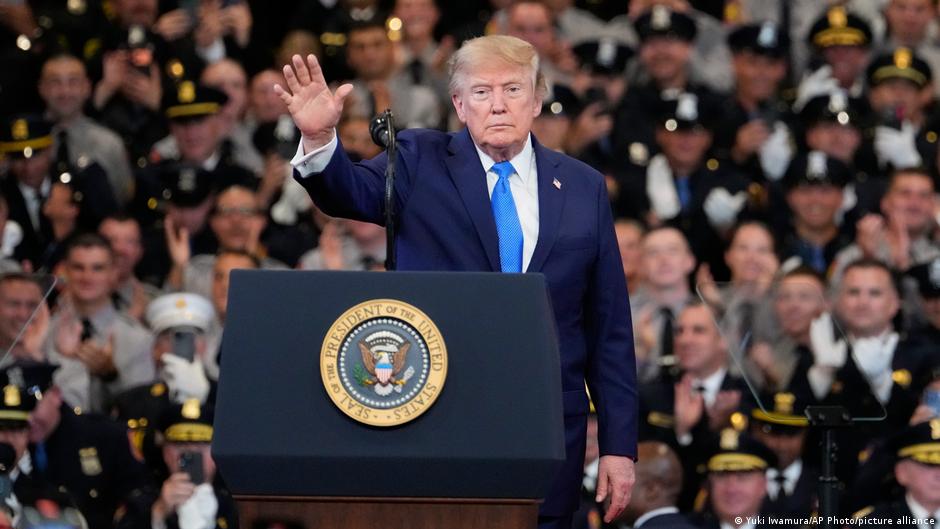
Recent geopolitical tensions in the Strait of Hormuz have intensified, with US President Donald Trump threatening military action against Oman if it interferes with negotiations between Washington and Tehran. These developments have significant implications for global energy markets and, by extension, the everyday finances of consumers around the world.
Potential Impact on Energy Prices and Consumer Budgets
The Strait of Hormuz is a critical chokepoint through which approximately one-fifth of the world's oil supply is transported. Any disruption in this region risks driving crude oil prices upward, which would quickly translate into higher gasoline and heating costs for households globally. This price volatility can reduce disposable income, forcing families to tighten budgets and reconsider spending priorities.
"If Oman 'interferes' with the talks, the US will 'bomb the nonsense out of it,'" President Trump stated, underscoring the severity of the situation.
Negotiations between Oman and Iran over joint control of shipping routes in the Strait have so far failed to produce consensus, raising concerns over the security of energy transit. The recent expiration of a 60-day negotiation period between the US and Iran, established by a June memorandum of understanding, further clouds the outlook for regional stability.
With Iran's attacks on vessels in the strait and US retaliatory airstrikes on Iranian targets, the risk of escalation threatens to disrupt oil exports. For consumers, this could mean sharper increases in fuel prices at the pump and higher costs for goods reliant on transportation. Rising energy expenses often contribute to inflationary pressures, eroding household savings and impacting currency exchange rates.
Investor and Currency Market Considerations
Everyday investors closely monitoring currency fluctuations may face heightened market volatility as geopolitical risks intensify. Currencies of oil-importing countries could weaken against the US dollar, increasing the cost of foreign debt and imports. Conversely, oil-exporting nations might see temporary currency gains, but instability could deter longer-term investment.
The US and Iranian standoff also affects investor confidence. The uncertainty surrounding sanctions, nuclear program negotiations, and military conflict increases risk premiums on assets connected to the region. This environment may push cautious investors to seek safer assets, potentially affecting retirement accounts, mutual funds, and personal investment portfolios.
International diplomatic efforts, including Turkey's call for renewed US-Iran negotiations, aim to de-escalate tensions, but the path to stability remains uncertain. Until a resolution is reached, consumers and investors alike should prepare for potential impacts on budgets and markets.
In summary, the unfolding conflict in the Strait of Hormuz is not just a distant geopolitical issue but one with direct consequences on fuel prices, inflation, household spending, and investment strategies worldwide.