Russian Officials Propose Stripping Voting Rights of Emigrants Marked as Foreign Agents
Central Election Commission head suggests emigrants labeled as foreign agents should lose voting rights, impacting Russian expatriates' political participation and financial ties.
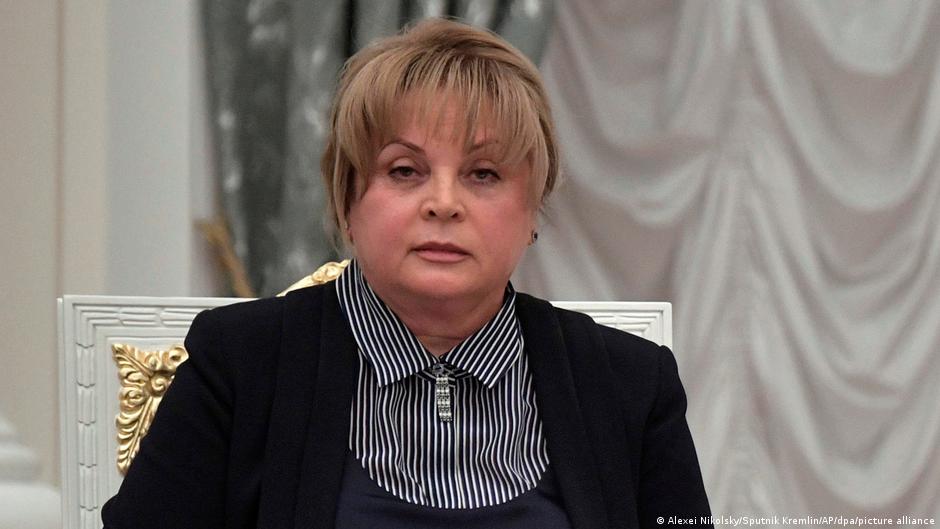
The head of Russia's Central Election Commission, Ella Pamfilova, has publicly advocated for depriving Russian citizens who have emigrated and been designated as "foreign agents" of their right to vote in future elections. This stance, expressed in an August interview, raises significant implications for expatriates and their continued engagement with Russia's political and economic systems.
Voting Rights and the Foreign Agent Status
Pamfilova stated emphatically, "I believe that if a person leaves the country, it is a betrayal — they should be excluded." She linked this view to the ongoing debate within the new State Duma regarding whether individuals and organizations registered as foreign agents should retain electoral participation privileges.
The foreign agent registry was introduced in 2012, initially targeting nonprofit organizations receiving foreign funding. Over time, it expanded in 2017 to include media outlets and, by 2020, extended to individuals. Being labeled a foreign agent carries substantial burdens: heightened government scrutiny, mandatory reporting, fines, and restrictions on income and employment opportunities. This classification is widely seen by civil society groups as a tool to suppress independent voices.
"We have given a number of options to reduce risks," Pamfilova remarked regarding election security in "unfriendly" countries where many Russian expatriates reside.
Regarding voting logistics abroad, especially in countries Russia considers "unfriendly," Pamfilova emphasized that the Election Commission has recommended Russian embassies seek assurances from host governments to ensure election security. She also mentioned ongoing cooperation with the Foreign Ministry and diplomatic staff to manage potential risks posed by politically active emigrants.
Consequences for Household Finances and Investors
These developments have broader ramifications beyond political rights. Many Russians living abroad maintain financial ties with their homeland, including savings denominated in rubles, investments in Russian markets, or remittances supporting family members back home. Potential voting disenfranchisement could signal a hardening stance on expatriates, possibly affecting their confidence in continuing financial relations with Russia.
For everyday investors and savers, this move adds another layer of uncertainty amid an already challenging economic environment. Currency fluctuations, sanctions, and restricted access to information due to foreign agent labeling may complicate decisions for those managing assets across borders. Furthermore, the labeling itself imposes reputational risks that could affect the ability to engage with Russian financial institutions.
Financial planners and consumer advocates warn that such political measures often intersect with economic realities for households, influencing savings strategies and access to investment opportunities. The debate over voting rights thus extends into the realm of personal finance, impacting the economic security of millions connected to Russia from abroad.
In summary, the push to restrict voting rights for emigrants designated as foreign agents reflects a broader tightening of state control that could materially affect Russian expatriates’ political voice and financial engagement. These changes underscore the interconnectedness of political status and personal finance in the current geopolitical climate.