Conflict Fallout: Impact of War Crimes Allegations on Ukrainian Household Finances and Currency Stability
Allegations of war crimes against Ukrainian POWs exacerbate economic uncertainties affecting household budgets and savings in Ukraine.
The ongoing conflict in Ukraine, marked by serious allegations of war crimes, not only poses grave humanitarian concerns but also deeply affects the nation's economic stability and the financial well-being of its citizens. Recent reports detail the killing of Ukrainian prisoners of war (POWs) by Russian forces, amplifying the psychological and economic strain on Ukraine's households and investors.
Economic repercussions for households and everyday investors
Since the onset of the full-scale invasion in February 2022, Ukrainian citizens have faced amplified risks. According to official statements, at least 345 Ukrainian soldiers who surrendered were reportedly executed, with additional cases of torture and abuse documented among prisoners. These incidents contribute to a climate of insecurity that undermines consumer confidence and disrupts normal economic activity.
Household budgets are increasingly strained as families cope with the humanitarian crisis and economic fallout. Rising uncertainty regarding the conflict's trajectory fuels volatility in the local currency, the hryvnia, which affects purchasing power and inflation rates. Savings and investments are also at risk, as unpredictable geopolitical tensions lead to fluctuating exchange rates and a cautious approach from both domestic and international investors.
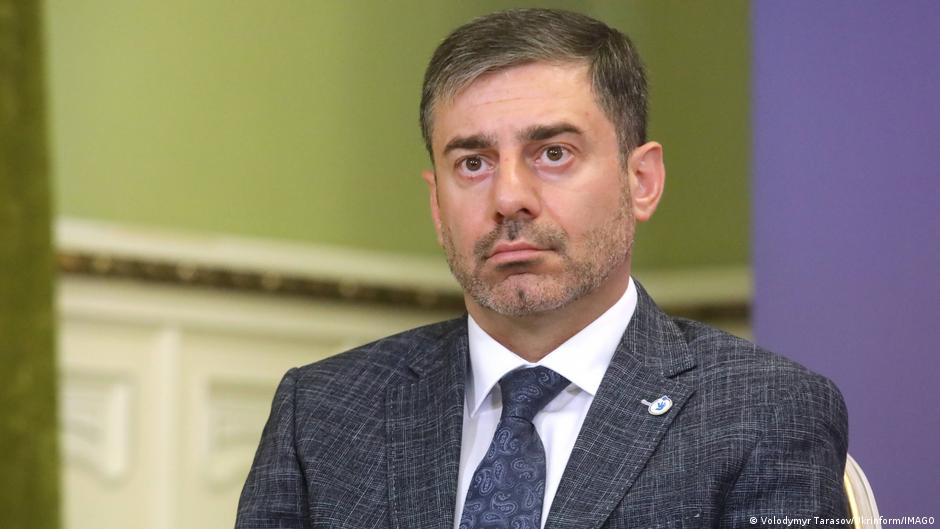
"We have recorded nearly 700 forms of torture inflicted on Ukrainian POWs, with 95% subjected to systematic abuse in detention centers," stated the Ukrainian human rights commissioner, highlighting the human cost behind the economic instability.
Such distressing news impacts consumer sentiment, leading to reduced spending and increased precautionary savings. The war's toll extends beyond direct costs, influencing credit availability, interest rates, and investment in business ventures. Many Ukrainian households are forced to reassess their financial planning, prioritizing liquidity and risk mitigation.
Furthermore, the disruption of supply chains and destruction of infrastructure exacerbate inflationary pressures, driving up the prices of essential goods and services. This inflation disproportionately affects lower and middle-income families, who allocate a larger portion of their income to daily necessities.
Currency devaluation and economic sanctions imposed on Russia also reverberate through Ukraine's economy. While aimed at pressuring Russia, these measures can contribute to financial market volatility, complicating currency stability and investment prospects.
For everyday investors, the conflict intensifies market unpredictability. Ukrainian stock and bond markets experience heightened fluctuations, and foreign investment hesitancy persists amid ongoing hostilities. The struggle to maintain capital security and positive returns becomes a significant concern for individuals saving for retirement or other long-term goals.
In summary, the grave human rights violations reported in the conflict add layers of complexity to Ukraine's economic landscape. They deepen the financial challenges faced by households, influence currency dynamics, and create caution in investment behavior, underscoring the broad-reaching consequences of geopolitical crises on personal finances.