Russian Strikes on Zaporizhzhia Raise Concerns Over Economic Stability and Household Budgets
Recent missile and aerial bomb attacks in Zaporizhzhia have caused casualties and infrastructure damage, impacting local economies and consumer confidence.
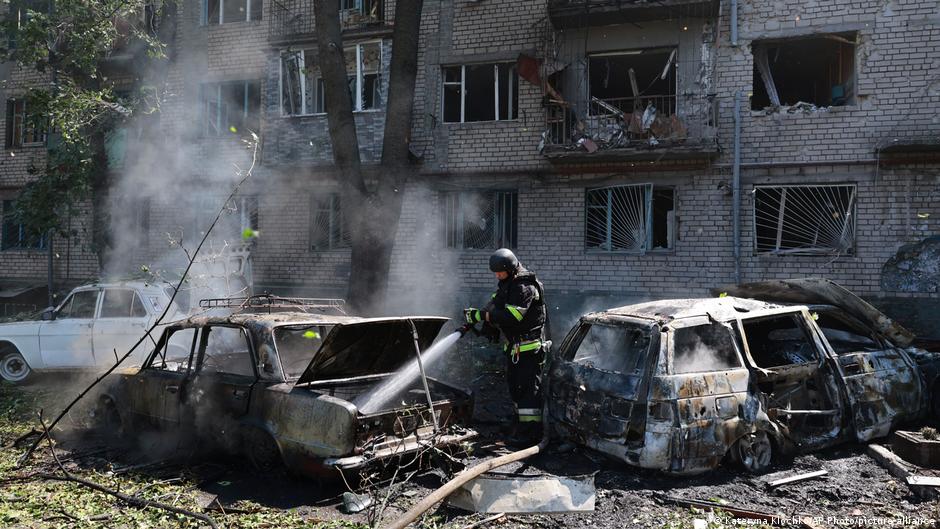
On August 11, a combined missile and aerial bomb strike by Russian forces targeted the city of Zaporizhzhia, resulting in five fatalities and at least 20 injuries, according to the regional military administration head, Ivan Fedorov. The assault damaged critical industrial facilities, residential buildings, and essential infrastructure, leading to power outages and fires.
Impact on Local Economies and Household Finances
The attacks on industrial sites and urban infrastructure have immediate and long-term repercussions for the local economy. Damaged factories and commercial facilities disrupt production and employment, directly affecting household incomes and the broader regional economy. Power outages and destruction of residential properties impose additional financial burdens on families forced to repair or relocate.
Consumer confidence often dips sharply in conflict zones, prompting households to cut discretionary spending and prioritize savings or essential expenses. This shift can slow economic recovery and affect local currency stability, potentially leading to inflationary pressures as supply chains are disrupted.
“The destruction of infrastructure and homes adds layers of financial hardship for ordinary citizens,” said an economic analyst focusing on conflict-affected regions. “Households may face increased costs for basic utilities and rebuilding, straining savings and investment capacity.”
Furthermore, continued threats and air raid alerts, such as those reported in Kyiv overnight, contribute to economic uncertainty nationwide. The risk of missile attacks and drone strikes forces businesses and consumers alike to adopt conservative financial behaviors, delaying investments and reducing liquidity in the market.
In the Poltava region, debris from Russian unmanned aerial vehicles (UAVs) landed on residential buildings, although no injuries were reported. Such incidents underscore the widespread reach of conflict-related disruptions beyond frontline areas, complicating daily life and financial planning for residents.
The preceding day saw similar attacks involving guided aerial bombs and UAVs in Zaporizhzhia, which injured at least 26 local residents. These repeated strikes contribute to an environment of instability that weighs heavily on households’ ability to maintain financial security and plan for the future.
Broader Implications for Everyday Investors and Currency Markets
Conflict-induced economic instability often triggers volatility in currency and investment markets. Investors tend to become risk-averse, shifting capital to safer assets, which can depress local stock and bond markets. For everyday investors, this means more unpredictable returns and limited opportunities to grow personal wealth.
Currency depreciation is also a concern, as geopolitical uncertainty undermines faith in the national economy. This can erode the purchasing power of households, further tightening budget constraints, especially for imported goods and services.
In summary, the recent Russian strikes on Zaporizhzhia extend their impact well beyond immediate human casualties, striking at the heart of economic and financial stability in the region. Families face mounting costs and uncertainty, while local economies and investors contend with disrupted markets and fragile currencies.