Russian Missile Strikes on Kyiv and Kryvyi Rih Impact Civilians and Infrastructure
Recent attacks on Ukrainian cities result in casualties and damages, affecting local communities and household security.
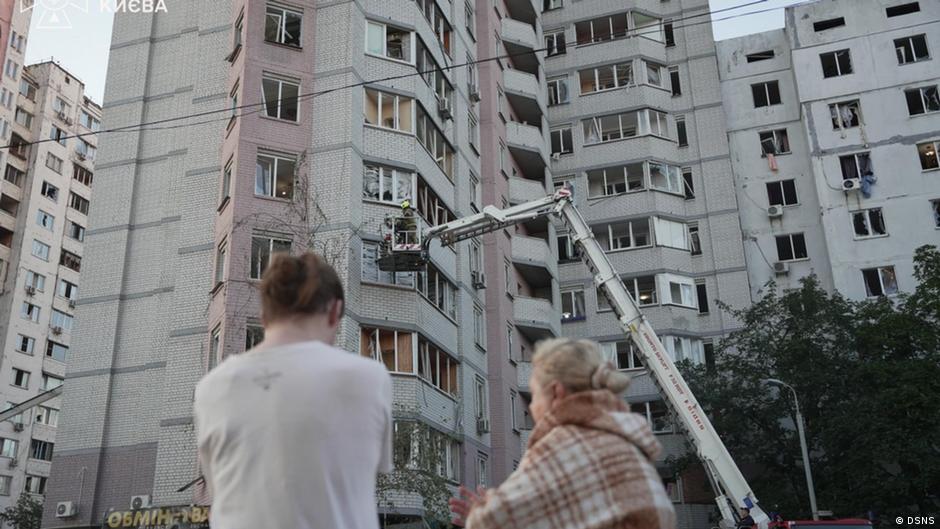
Impact of Recent Russian Attacks on Ukrainian Cities
Overnight on August 16, Russian forces launched ballistic missile and drone attacks on Kyiv and Kryvyi Rih, causing casualties and significant damage to urban infrastructure. These assaults have raised concerns about the broader implications for civilian safety, local economies, and household financial stability in affected regions.
In Kyiv, fires broke out in the Obolonsky and Holosiivskyi districts following missile debris strikes on non-residential buildings. Several vehicles were also set ablaze in these areas. Kyiv Mayor Vitali Klitschko reported one injury resulting from the attacks. This is not the first strike on the Ukrainian capital this month; an earlier attack on August 11 caused fires at warehouse facilities and impacted a children's hospital, with one person injured.
Meanwhile, in Kryvyi Rih, the assault targeted industrial facilities, resulting in one fatality and at least six injuries, according to Alexander Ganja, head of the Dnipropetrovsk Regional Military Administration. Medical aid is being provided to the wounded.
Financial and Household Implications
These attacks contribute to ongoing instability in Ukraine, directly affecting the finances and daily lives of households in impacted areas. The destruction of industrial sites in Kryvyi Rih can disrupt local employment and economic activity, potentially leading to reduced household incomes and increased uncertainty for families relying on these jobs.
Additionally, the damage to urban infrastructure in Kyiv adds to the burden on city services and may increase costs related to repairs, insurance, and security measures. For everyday consumers, these dynamics can translate into higher living expenses and challenges in accessing basic services.
The risk to civilian lives and property also influences the local real estate market, potentially depressing property values and complicating savings plans for homeowners. Furthermore, in a broader economic context, such attacks can instigate currency volatility, affecting savings and investments for everyday Ukrainians and foreign investors alike.
“The recent attacks underscore the precarious balance between security and economic stability for families in Ukraine,” said an expert on regional economic impacts.
As the conflict continues, households need to consider the potential effects on their financial resilience and explore strategies to mitigate risks associated with such security threats.