Baltic Airspace Closure for Slovak PM's Flight to Moscow May Impact Travel and Regional Costs
Lithuania and Latvia's refusal to allow Slovak PM's flight over their airspace may affect travel routes and raise logistical expenses.
On April 18, Slovak Prime Minister Robert Fico announced that Lithuania and Latvia have once again informed Bratislava they will close their airspace to his official flight en route to Moscow for the May 9 Victory Day celebrations. This move echoes similar restrictions imposed last year and highlights ongoing political tensions within the European Union that may have broader implications for travel costs and logistics in the region.
Impact on Travel Routes and Household Budgets
Prime Minister Fico stated in a video address that despite these airspace closures by two EU member states, he intends to find alternative routes, as he did previously. However, detours around closed airspace can lead to longer flight times, increased fuel consumption, and higher operational costs for airlines. These costs often cascade down to consumers in the form of increased airfare prices.
"Countries within the EU will not allow the Prime Minister of another EU member state to fly over their territory," Fico commented, underscoring the diplomatic tensions.
For everyday travellers and investors, rising flight costs can tighten household budgets, especially for those who travel frequently for business or leisure. Moreover, increased demand for alternative routes may also strain regional airports and transportation infrastructure, driving local price adjustments.
Political Sensitivity and Economic Consequences
The Baltic states cite "political sensitivity" and "technical and diplomatic reasons" for their refusal to allow overflights. Latvia explicitly referenced the nature of the flight’s destination, while Lithuania pointed to diplomatic sensitivities. Poland has also previously denied similar overflight rights. Such restrictions are not merely symbolic—they complicate air traffic management in an already complex European airspace.
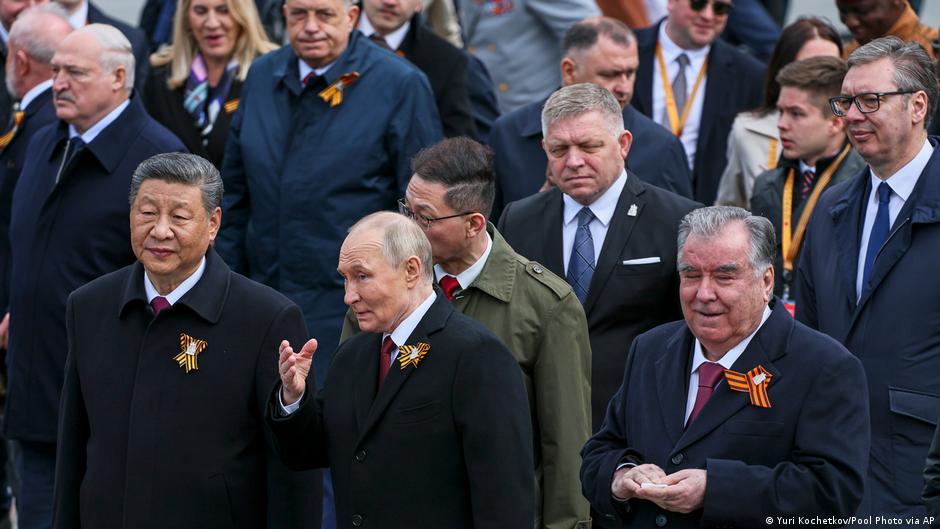
These tensions arise ahead of the May 9 commemorations in Moscow, a significant event marking the Allied victory in World War II, often attended by global leaders. In 2023, leaders from 27 countries, including China, Belarus, Cuba, Venezuela, Slovakia, and Serbia, participated. However, the European Union has cautioned candidate countries to reconsider participation given geopolitical concerns.
For households and investors, these geopolitical developments translate into tangible economic effects. Higher transportation costs can contribute to inflationary pressures, affecting prices for goods and services that rely on air freight or passenger travel. Currency volatility around politically sensitive events may also impact exchange rates, influencing international investment returns and household savings denominated in foreign currencies.
In essence, while the closure of Baltic airspace to Slovak Prime Minister Fico's flight is primarily a diplomatic statement, its ripple effects are felt in everyday economic realities. Consumers should anticipate potential increases in travel expenses and monitor shifts in currency markets as geopolitical tensions evolve across Europe.
In the broader context, this situation exemplifies how political decisions can swiftly influence personal finance and consumer costs, underscoring the importance of staying informed about international developments that affect household budgets.