Airlines Cut Flights Amid Rising Fuel Costs, Impacting Travel Budgets and Consumer Expenses
Flight cancellations and reduced schedules due to soaring jet fuel prices are expected to strain household travel budgets and increase ticket costs.
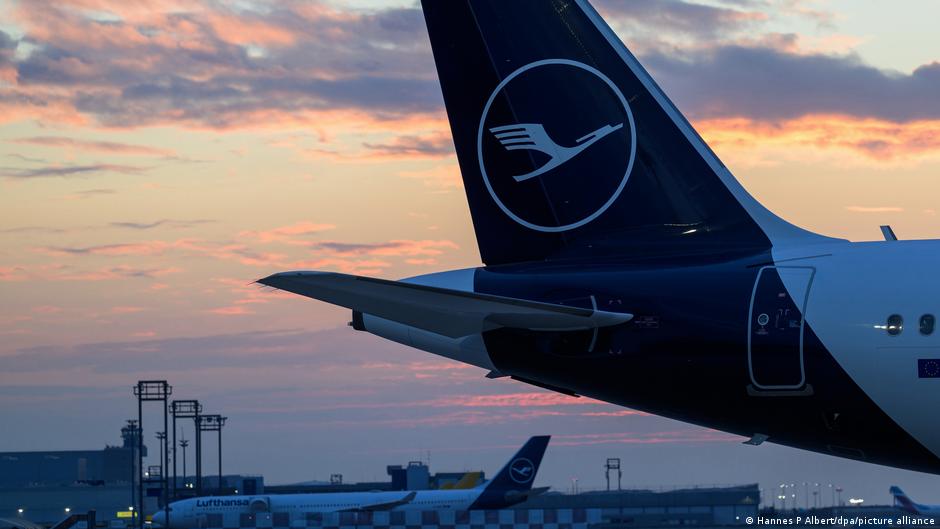
Air travelers should anticipate more frequent flight cancellations as airlines grapple with increasing fuel prices, driven largely by geopolitical tensions in the Middle East. Industry analysts forecast a global reduction in airline capacity by around 3% in May 2024, marking a notable shift from earlier expectations of 4-6% growth.
Fuel Price Surge Forces Airlines to Adjust Schedules
The ongoing conflict involving the U.S., Israel, and Iran, combined with a blockade of the strategic Strait of Hormuz, has severely disrupted oil supplies and sent aviation fuel prices climbing. The International Air Transport Association (IATA) reports that Europe's jet fuel reserves are sufficient for only about six weeks under current consumption rates, raising concerns about long-term supply stability.
In response, major airlines are cutting back flights to reduce fuel consumption and maintain profitability. For example, Dutch carrier KLM announced the cancellation of 80 round-trip flights from Amsterdam's Schiphol Airport in May. Similar reductions have been implemented by United Airlines in the U.S. and Lufthansa in Germany.
“The shortage of jet fuel will initially force airlines to suspend less busy short-haul routes and accelerate retirement of older, fuel-inefficient aircraft,” stated the German Federal Aviation Association (BDL), emphasizing the potential economic damage to Germany and Europe if air traffic restrictions persist.
BDL has called for immediate, coordinated action at the European Union level to mitigate the crisis. The organization warns that while the conflict in Iran might eventually subside, rebuilding the damaged oil infrastructure could take months or even years, prolonging the fuel supply challenges.
Impact on Consumers and Household Finances
These developments have tangible consequences for everyday consumers and investors. Flight cancellations and route reductions mean less availability and potentially higher airfares, putting extra strain on household travel budgets and increasing the cost of leisure and business travel. For families planning vacations or individuals relying on air travel, this could translate into more expensive tickets and less flexibility.
Additionally, the broader inflationary impact of rising fuel costs can affect other consumer goods and services, as transportation expenses increase across the supply chain. Investors holding airline stocks may experience volatility as airlines struggle with rising operational costs and potential revenue declines due to capacity cuts.
Currency markets may also feel indirect effects as oil price fluctuations influence trade balances and economic outlooks for oil-importing countries. Households with exposure to foreign currencies or investments tied to energy sectors should be mindful of potential shifts in currency valuations.
In summary, the surge in jet fuel prices caused by Middle Eastern geopolitical instability is reverberating beyond the aviation industry, impacting consumer expenses, household budgets, and investment portfolios. Travelers and investors alike should prepare for continued uncertainty and consider these factors in their financial planning.