Drone Attacks Ignite Oil Depot Fires in Russia, Raising Concerns for Energy Supply Stability
Recent drone strikes have caused fires at Russian oil depots, potentially impacting fuel supplies and household energy costs.
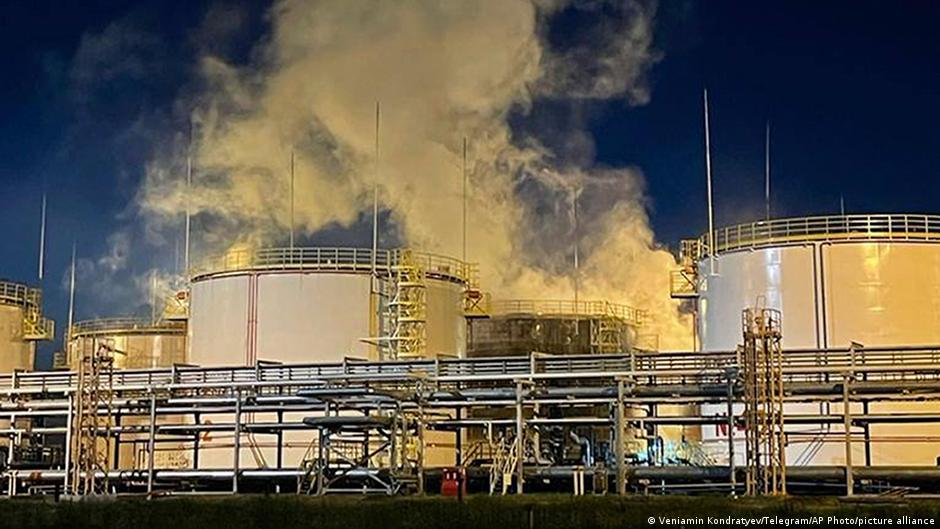
On the night of April 18, drone attacks on Russian territory led to fires at two crucial oil depots—one in Tikhoretsk, Krasnodar Krai, and another in the annexed city of Sevastopol. Authorities reported no casualties but confirmed significant emergency responses to control the blazes.
Implications for Energy Supply and Consumer Costs
The attacks targeted oil storage facilities, vital nodes in Russia's energy infrastructure. In Tikhoretsk, 224 personnel and 56 vehicles were engaged in firefighting efforts. In Sevastopol’s Kazachya Bukhta district, a tank containing residual fuel ignited, reportedly after a drone was shot down. Local officials emphasized that the fires were contained quickly, and no injuries occurred.
These incidents come amid heightened regional tensions and coincided with the destruction of 22 Ukrainian drones over Sevastopol overnight, as reported by local air defense forces. The attacks also prompted air raid alerts in Leningrad Oblast and temporary restrictions on flights in multiple Russian airports, including Pskov, Saratov, Penza, Samara, and Ulyanovsk.
"The fires, while limited in scale, highlight vulnerabilities in energy storage infrastructure that could ripple through fuel markets and consumer prices," energy analyst Elena Morozova noted.
For households and everyday investors, such disruptions can contribute to fluctuations in fuel availability and prices. Energy costs form a substantial portion of household budgets, especially in colder regions, and instability in supply chains can accelerate inflationary pressures. Consumers may face increased prices at gas stations, higher heating bills, or volatility in energy-related investment instruments.
The temporary suspension of flights at several airports also signals potential broader disruptions in logistics and supply chains within Russia, which could affect the delivery of goods and fuel to retail outlets. For investors, these events underscore the geopolitical risks embedded in energy markets and the importance of monitoring infrastructure security as part of portfolio risk management.
In an environment of ongoing conflict and infrastructure targeting, consumers and investors alike should remain vigilant about energy market developments and consider strategies to mitigate the impact of potential price shocks on household finances and investment portfolios.