US Rejects NATO Assistance in Strait of Hormuz, Impacting Global Energy Markets
Trump declines NATO help amid Strait of Hormuz tensions, adding uncertainty for oil trade and consumer energy prices worldwide.
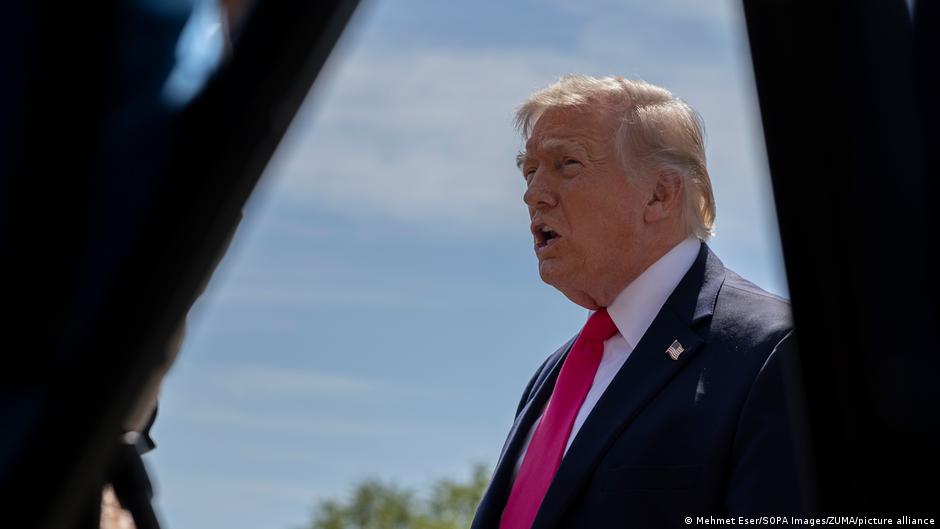
Former President Donald Trump has refused an offer of assistance from NATO regarding the situation in the Strait of Hormuz, calling the alliance a "paper tiger" and advising it to stay out of the conflict. This stance could have significant implications for global energy supplies and, ultimately, household budgets and consumer markets.
Geopolitical Tensions and Energy Security
On April 17, Trump publicly stated on the social media platform Truth Social that he declined NATO's offer for support, suggesting that NATO members were more interested in "loading their ships with oil" than providing meaningful assistance. "They were useless when needed," Trump added, reinforcing his skepticism about the alliance's effectiveness.
Meanwhile, European powers, led by France and the United Kingdom, have announced plans to spearhead a multinational mission to secure freedom of navigation through the Strait of Hormuz. This initiative, confirmed after an international security conference in Paris, aims to ensure the safety of commercial shipping and to support mine clearance operations. UK leader Keir Starmer emphasized that more than a dozen countries have offered help, and the mission will be strictly defensive and peaceful in nature.
Germany's Chancellor Friedrich Merz also expressed willingness to participate, contingent on the cessation of hostilities in the Middle East and appropriate legal authorization, such as a UN Security Council resolution. He noted that US involvement would be preferable for the operation's legitimacy and effectiveness.
"This mission will be exclusively peaceful and defensive, focused on the security of commercial shipping and mine clearance," said UK leader Keir Starmer.
Consequences for Household Budgets and Investors
The Strait of Hormuz is a critical chokepoint through which a significant portion of the world's oil supply transits. Any instability or military escalation in this region tends to drive up global oil prices due to fears of supply disruptions. For consumers, this translates directly into higher gasoline prices, increased heating costs, and more expensive goods, as transportation expenses rise.
Trump also declared an ongoing American blockade on Iranian ports, signaling continued pressure on Iran until a comprehensive agreement is reached. This tension adds to market uncertainty, affecting currency valuations and energy stocks. For everyday investors, heightened volatility in oil markets could mean both risks and opportunities, but also underscores the importance of diversification and cautious risk management in portfolios.
The recent ceasefire agreement between Israel and Lebanon, brokered under US auspices, briefly eased regional tensions. However, accusations of violations have already emerged, indicating that the situation remains fluid. This ongoing instability further complicates the outlook for energy security and market stability.
In summary, the refusal of US military cooperation with NATO in the Strait of Hormuz and the broader geopolitical maneuvers in the region have direct consequences for global energy prices, household expenses, and investor sentiment. Consumers and investors alike should monitor developments closely to mitigate the financial impact of potential disruptions.