US Extends Suspension of Sanctions on Russian Oil Exports Until May 16 Amid Market Volatility
Washington prolongs exemption on sales of Russian oil already loaded on tankers, affecting global energy prices and household budgets.
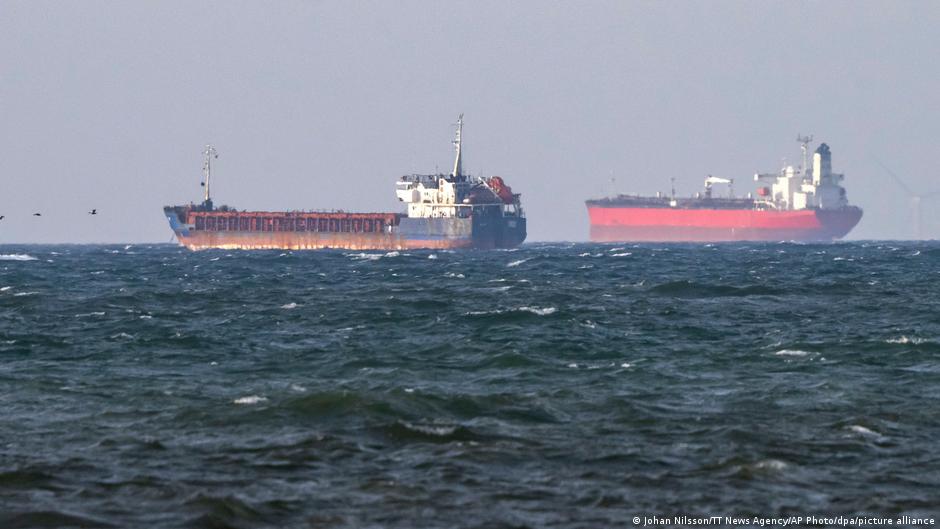
The United States has extended its suspension of sanctions on the sale of Russian oil and petroleum products already loaded on tankers until May 16. This move comes despite previous statements from the U.S. Treasury Secretary indicating no plans to renew such exemptions. The extension has important implications for global energy prices and the financial impact on everyday consumers worldwide.
Background and Implications for Consumers
The exemption on Russian oil exports was first introduced on March 13 as a short-term response to rising energy prices triggered by geopolitical tensions in the Middle East, including the conflict involving Iran. Initially valid for 30 days, the waiver was set to expire on April 11 but has now been extended through mid-May.
At the time of the exemption, the Treasury Secretary described the measure as "narrowly targeted and short-term," designed not to significantly boost Russian oil revenues. However, subsequent reports demonstrated that Russia's daily oil income increased by more than $100 million after the U.S. eased restrictions.
"Russian oil revenues nearly doubled in March compared to February, reaching $19 billion due to the ongoing Middle East conflict," according to data from the International Energy Agency.
While this easing of sanctions has affected Russian revenues, it has not caused a corresponding surge in global oil prices. This stability contrasts with the previous administration's concerns over energy costs and attempts to balance the market.
For consumers, particularly households, the extension of the sanctions exemption can be seen as a double-edged sword. On one hand, it helps moderate global oil prices by ensuring continued supply despite geopolitical disruptions. This can alleviate upward pressure on fuel costs, utility bills, and transportation expenses, which directly affect household budgets.
Conversely, the extension indirectly contributes to sustained income streams for Russia, potentially prolonging geopolitical instability and future market uncertainties. For everyday investors, especially those holding assets linked to energy markets or currencies sensitive to oil price fluctuations, this development underscores the volatile nature of commodity investments amid geopolitical risks.
Shadow Shipping and Market Dynamics
Another significant factor influencing the oil market is the use of so-called "shadow fleets"—tanker vessels operating outside international regulatory frameworks to transport Russian oil covertly. This practice complicates enforcement of sanctions and blurs the true scale of oil supplies in the market.
The presence of shadow shipping fleets means that official sanction measures have limited effectiveness in curbing Russian oil exports, which in turn affects global supply and price stability. For consumers, this translates into unpredictable fuel prices and challenges in forecasting household energy expenses.
In summary, while the U.S. government's decision to extend the sanctions exemption provides short-term relief against rising energy costs, it carries complex implications. Households may benefit from moderated fuel prices, but the sustained flow of Russian oil revenue could perpetuate geopolitical tensions that threaten longer-term energy market stability.
As geopolitical events continue to evolve, consumers and investors should remain vigilant about the impact of global energy policies on personal finances and investment portfolios.