Russian-Flagged Shadow Fleet Growth Raises New Risks for Energy Prices
A 36% rise in Russia’s ship registry highlights how sanctions pressure on oil and LNG transport can ripple into fuel costs, currencies and portfolios.
Russia’s ship registry expanded sharply between January 2025 and June 2026 as vessels linked to the country’s sanctioned energy trade faced mounting pressure abroad, according to an analysis by the Centre for Research on Energy and Clean Air. For households and everyday investors, the shift is not just a maritime compliance story. It is part of the infrastructure behind global oil and gas flows, and that means it can influence fuel prices, inflation expectations, currency moves and energy-sector risk.
The Russian-flagged fleet grew by 36% over the period, with 107 vessels added to the register. The largest monthly increase came in December 2025, when 25 new entries were recorded. CREA said the rise reflected a change in the behavior of open registries, which have become less willing to allow sanctioned cargoes to move on so-called shadow fleet vessels.
That matters because shipping is one of the less visible links between sanctions policy and consumer costs. When tankers are delayed, reflagged, scrutinized by insurers or forced into less efficient routes and transfer arrangements, the resulting friction can add costs to energy trade. Those costs do not translate automatically or immediately into higher prices at the pump or on home heating bills, but they add another source of uncertainty to already volatile oil and gas markets.
Why Consumers Should Watch Shipping Risk
The pressure on Russia’s shadow fleet has narrowed options for ships carrying sanctioned cargo. CREA said Barbados and Palau fully cleared their registers of sanctioned vessels. Panama cut their number by almost two-thirds from a May 2025 peak. The world’s largest ship registries also launched a shared database, RISC, aimed at countering reflagging and other attempts to bypass restrictions.
As a result, shadow fleet operators have faced a choice: sail under false flags and risk detention, move into the Russian ship registry, switch to other flags, or operate without a recognized flag. By June 2026, 46 vessels that had previously sailed under the flags of Comoros or Gambia had been registered in Russia. Others moved under the flags of Sierra Leone and Equatorial Guinea or continued operating without a recognized flag.
For family budgets, the immediate concern is energy. Russian oil and fuel continued moving around the world after vessels changed to the Russian flag. CREA said Russian oil worth 5.2 billion euros was transported mainly to China, with ship-to-ship transfer schemes also used in Egypt and the Red Sea. Such arrangements can keep supply moving, which may limit price spikes in some circumstances. But they can also make supply chains more opaque, more expensive to monitor and more vulnerable to sudden disruption.
That opacity is important for savers and investors. Energy prices feed directly into inflation, and inflation influences interest-rate expectations. A disruption in oil or liquefied natural gas transport can affect gasoline, diesel, airfares, shipping costs, utility bills and the cost of goods moved across long supply chains. In financial markets, those changes can affect energy stocks, transport companies, emerging-market currencies, European gas-sensitive assets and broad consumer discretionary shares.
Sanctions Exposure And Portfolio Risk
CREA said 93 of the 107 vessels added to the Russian registry had previously been under sanctions, and 90 were subject to restrictions from more than one jurisdiction. Vessels that carried Russian oil before the first sanctions changed flags three times more often than before. Sixteen of them also carried Iranian or Venezuelan oil.
For everyday investors, those details point to a broader risk: sanctions exposure is not confined to governments and shipping companies. It can affect publicly traded insurers, commodity traders, ports, banks, logistics firms and energy buyers if enforcement tightens or an incident creates legal and operational fallout. The more complex the transport chain becomes, the harder it is for markets to price the risk cleanly.
Currency markets may also be affected. Countries that import large amounts of energy can see pressure on trade balances when oil or LNG prices rise. That can weigh on currencies, especially in economies already dealing with inflation or high borrowing costs. At the same time, major energy exporters may benefit from higher prices, though sanctions and payment restrictions can complicate those gains.
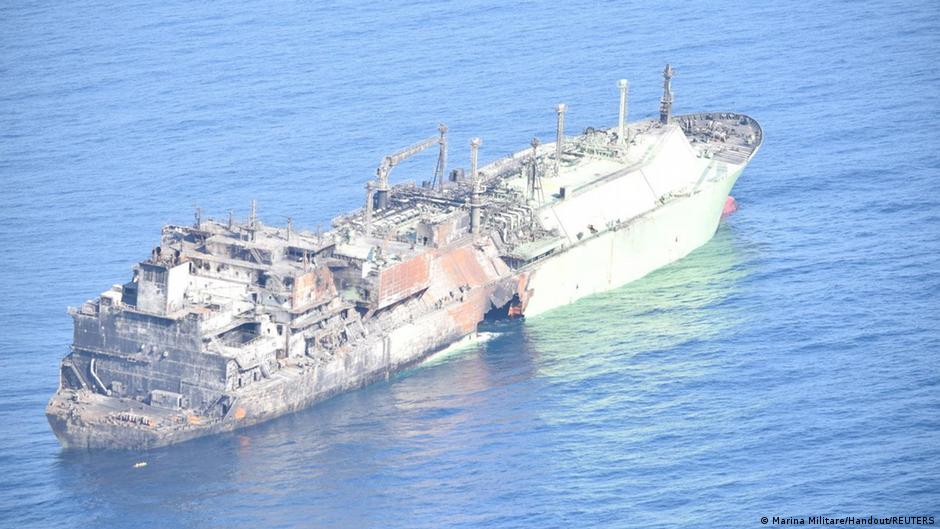
One incident cited in the analysis illustrates why the issue goes beyond paperwork. In March, the Russian LNG carrier Arctic Metagaz caught fire in the Mediterranean. Libya, Malta and Italy had to handle the crisis themselves. CREA analyst Luke Wickenden described the case as a warning about the real-world cost of using the Russian flag for sanctioned vessels.
“The Arctic Metagaz incident showed the Russian flag for what it really is: a shield for dangerous vessels, offering no support in the event of a disaster and leaving coastal states to manage risks and consequences.”
Arctic Metagaz is one of roughly 10 LNG carriers used to transport sanctioned liquefied natural gas from Russia’s Arctic LNG 2 terminal to the port of Beihai on China’s southern coast. In February 2026, the vessel left Murmansk after loading and was likely heading toward Egypt’s Port Said, according to gCaptain. The ship has been under U.S. and U.K. sanctions since 2024.
For households, the practical takeaway is that energy-price risk remains linked not only to production decisions and demand, but also to how sanctioned barrels and cargoes physically move. A bigger Russian-flagged registry may help keep some flows active, but it also concentrates risk in a fleet facing tighter scrutiny, limited support and greater geopolitical exposure.
For investors, that argues for watching energy volatility alongside inflation data, central bank signals and currency moves. The shadow fleet may operate far from ordinary consumers, but its costs and disruptions can still arrive in familiar places: fuel receipts, utility bills, grocery prices and retirement accounts exposed to global markets.



