Russian Attacks on Ukrainian Cities Add New Pressure to Power Costs
Strikes on Kyiv, Odesa, Sumy and the Kyiv region damaged homes, businesses and energy infrastructure, forcing new electricity limits.
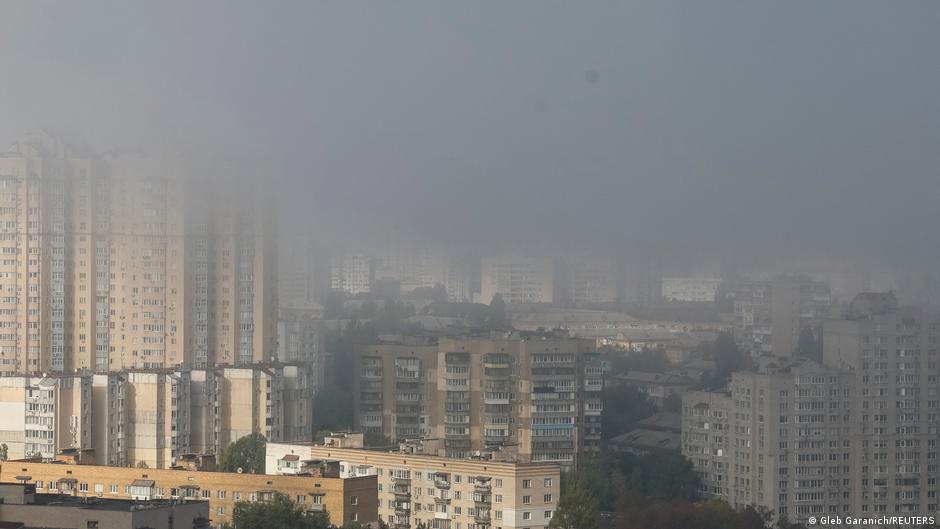
Russian forces carried out another wave of attacks on Ukrainian regions on the evening of Wednesday, September 30, striking residential areas, commercial buildings and energy infrastructure in incidents that are likely to deepen the day-to-day financial strain on households and businesses.
According to local authorities, Ukraine’s State Emergency Service and media reports, damage was reported in three districts of Kyiv, while Odesa saw a strike on a business center. Sumy was attacked with guided aerial bombs, injuring at least six people. The strikes also affected several districts of the Kyiv region, damaging homes, cars and a school building.
For families, the immediate costs are practical and personal: broken apartment windows, damaged cars, repairs to homes and possible disruptions to work. For businesses, the damage to cafes, warehouses and office buildings adds another layer of uncertainty at a time when power restrictions are again being imposed because of attacks on energy facilities.
Damage in Kyiv, Odesa and the Kyiv Region
In Kyiv’s Obolon district, a drone hit warehouse premises, according to messages posted on Telegram by Mayor Vitali Klitschko. In the Holosiivskyi district, drone debris fell in an open area near a road, causing trees to catch fire.
UNIAN reported that in Kyiv’s Solomianskyi district, a Russian drone struck a multistory residential building. The main damage was sustained by a cafe on the ground floor. The blast wave and debris also damaged several other establishments, apartment windows and cars parked nearby.
In Odesa, a drone hit a business center. The source report did not specify the scale of damage there, but for companies operating from such buildings, even limited physical damage can quickly become a financial problem if offices are closed, documents or equipment are affected, or staff cannot safely commute.
Evening attacks also caused damage in five districts of the Kyiv region, according to Timur Tkachenko, head of the Kyiv Regional Military Administration, writing on Telegram. He said a woman was injured in the Boryspil district.
“As a result of the enemy attack, a woman was injured in the Boryspil district,” Tkachenko wrote.
Several residential buildings and cars were also damaged in the Bucha, Obukhiv, Fastiv and Bila Tserkva districts. In Bila Tserkva, a school building was also damaged, according to the regional administration head.
These types of losses are often measured first in emergency response terms, but they also translate into household balance-sheet stress. Families may face expenses for temporary lodging, window replacement, roof work, vehicle repairs or lost income if transport, schools or workplaces are disrupted. Small firms hit by blast damage can face repair bills and revenue losses at the same time.
Power Restrictions Raise Costs for Businesses and Households
The financial impact widened beyond physical damage after Ukraine’s national energy company, Ukrenergo, said electricity consumption restrictions would be introduced because of Russian attacks on energy facilities.
In an evening Facebook post, Ukrenergo said that due to a difficult situation in the power system, restrictions would be applied in some regions of Ukraine on October 1. For industry and businesses, power-limitation schedules will be in effect from 8:00 a.m. to 9:00 p.m., the company said. Hourly outage schedules for all categories of consumers will be applied from 8:00 a.m. to 11:00 a.m. and from 4:00 p.m. to 9:00 p.m.
“In connection with the difficult situation in the energy system, tomorrow, October 1, consumption restriction measures will be forcibly applied in certain regions of Ukraine,” Ukrenergo said.
Kyiv and three other Ukrainian regions had already introduced emergency electricity shutdown schedules on September 30, according to the report.
For household budgets, power limits can produce costs that do not always show up immediately in official damage totals. Families may need to replace spoiled food, pay more for backup power, adjust work hours or spend additional money on transport and communications when outages disrupt routines. Remote workers and students are especially exposed when power cuts coincide with peak daytime and evening hours.
For businesses, the scheduled restrictions are more direct. Industrial users and commercial operators facing limits from 8:00 a.m. to 9:00 p.m. may have to reduce output, delay orders or rely on generators where available. Smaller businesses such as cafes, retailers, repair shops and offices may be less able to absorb repeated interruptions, especially if they are also facing property damage from nearby strikes.
Energy uncertainty can also feed into broader consumer pressure. When companies face higher operating costs from outages, repair needs or backup systems, some of those costs may eventually be reflected in prices for goods and services. At the household level, that can mean tighter monthly budgets, particularly for families already spending more on repairs, relocation needs or emergency supplies.
Market and Currency Sensitivity
The attacks come against the backdrop of a war economy in which energy stability, business continuity and household confidence are closely watched by consumers and investors. The source report does not provide market or currency data, but the events described point to the kinds of pressures that can influence everyday financial decisions: whether to hold more cash, delay major purchases, increase emergency savings or buy equipment such as batteries and generators.
Everyday investors typically monitor infrastructure attacks because disruptions to energy supply can affect production, logistics, retail activity and government spending needs. Damage to business centers, warehouses, cafes, residential buildings and education facilities is local in its immediate effect, but repeated attacks can accumulate into higher reconstruction costs and weaker confidence.
For Ukrainian households, the most immediate financial issue is resilience. The latest reported attacks damaged both private property and business premises, while energy restrictions are set to touch broad categories of consumers. That combination means families and companies may need to plan not only for security risks, but also for the recurring costs of interrupted power, damaged assets and uncertain work schedules.
As of the evening reports cited, at least six people were injured in Sumy after strikes with guided aerial bombs. Private and multistory residential buildings were damaged in the city, and the roof of one building caught fire, according to the State Emergency Service in Sumy region. The full financial cost of the September 30 attacks was not specified, but the reported damage shows how quickly military strikes can become a household and business expense.



