Global Oil Reserves Shrink at Record Pace Amid Geopolitical Tensions Impacting Household Budgets
A historic 200 million barrel decline in global oil stocks signals rising fuel costs for consumers and everyday investors.
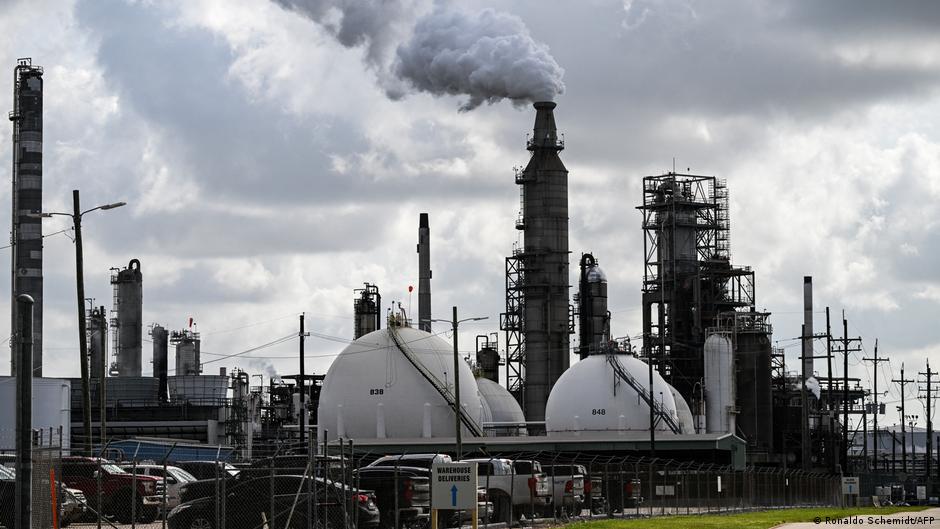
Global oil reserves have experienced an unprecedented decline, with April seeing a record drop of some 200 million barrels, according to analysts from S&P Global Energy and Goldman Sachs. This notable contraction comes despite decreased demand triggered by rising crude prices amid ongoing geopolitical conflicts in the Middle East.
Record Drawdowns Amid Supply Constraints and Demand Fluctuations
April's oil stock depletion averaged around 6.6 million barrels per day, a significant drawdown rate that defied the downward demand trend. Demand fell by 5 million barrels per day—the second-largest drop ever recorded—surpassed only during the COVID-19 pandemic, when global economic activity stalled.
However, the surge in crude prices linked to the U.S. and Israeli military actions against Iran and the resulting disruptions, including the blockade of the critical Strait of Hormuz, have led to a shortage of roughly 1 billion barrels in supply. This has pushed global oil inventories toward their lowest levels in nearly eight years.
Fuel stockpiles in key regions illustrate the tightness gripping the market. In Northern Europe, aviation fuel reserves fell to their lowest in six years, while in the United States, gasoline inventories are anticipated to reach historic lows during the upcoming summer peak travel season.
"This is a huge scale, far beyond the normal range," said Jim Burkhard, head of oil market research at S&P Global Energy. "The market has not yet fully reacted to the record rate of inventory depletion, so further oil price increases are likely ahead."
The global stockpile of roughly 4 billion barrels is largely engaged in essential daily operations such as refining processes and pipeline transport. With operational buffers shrinking, the margin for absorbing supply shocks is rapidly narrowing.
Implications for Consumers and Household Budgets
For consumers worldwide, the tightening oil market translates into higher costs at the pump and for heating fuels, directly impacting household budgets. Rising fuel prices can also contribute to inflationary pressures, increasing the cost of goods and services that rely on transportation.
Everyday investors exposed to energy commodities or funds linked to oil prices may also face increased volatility. Higher crude prices can benefit energy stocks and commodities but may challenge portfolios sensitive to inflation and economic slowdowns.
Moreover, currencies of oil-importing nations could weaken under sustained price increases, reducing purchasing power and complicating savings and investment strategies for households in affected countries.
As geopolitical tensions persist and global oil inventories approach critical lows, consumers and investors alike should prepare for potentially higher energy costs and associated economic ripple effects in the months ahead.