Germany Accelerates Long-Range Weapon Development Amid Russian Threat in Kaliningrad
Germany plans to strengthen its defense capabilities with own long-range weapons after US declines Tomahawk missile deployment, impacting European security and economic outlook.
The German government is hastening the development of its own long-range missile systems as a strategic response to the Russian deployment of Iskander missile complexes in the Kaliningrad region. This move follows the United States' decision not to station Tomahawk cruise missiles in Germany, a plan originally intended as a deterrence signal against Russia amid the ongoing conflict in Ukraine.
Impact on European Security and Household Economies
Germany’s acceleration of its indigenous missile program reflects mounting concerns over European security and the potential economic consequences for households and investors across the continent. The Russian Iskander missiles, capable of striking targets deep within Europe, have heightened geopolitical tensions and introduced uncertainty that may affect currency stability and investment confidence.
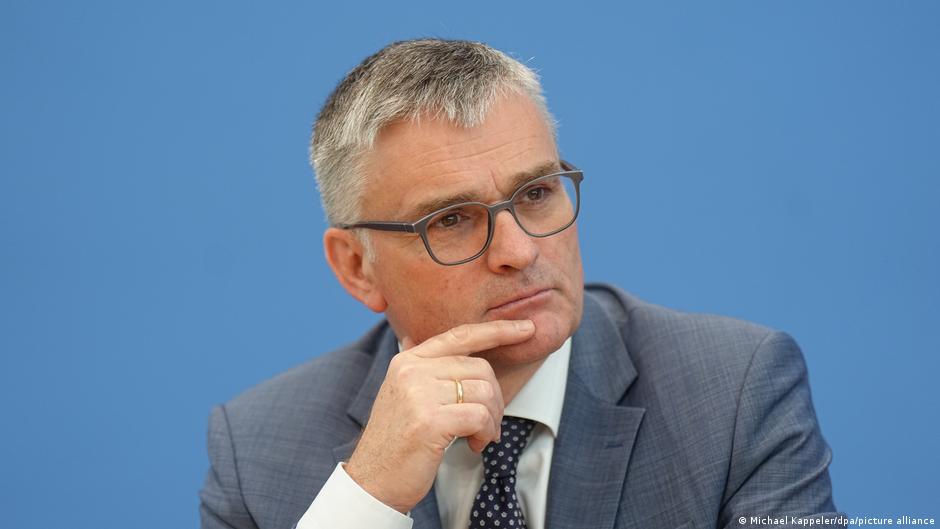
"The placement of Russian Iskanders represents a tangible threat to Europe we are striving to counter with our defensive strategy," stated Stefan Kornelius, official government spokesperson. "We are working on a comprehensive deterrence package at national, European, and NATO levels."
With the US withdrawal from the Tomahawk deployment plan—missiles with a range of up to 2,500 kilometers—the German government is focusing on European collaborative projects like the European Long-Range Strike Approach (ELSA). This initiative involves several European nations jointly developing high-precision, long-range missile systems and drones aimed at closing the deterrence gap expected by 2029 when Russia’s military capabilities could threaten NATO countries directly.
For consumers and everyday investors, these developments carry indirect financial implications. Heightened security risks can lead to increased defense spending, potentially influencing government budgets and tax policies. Currency markets may also react to geopolitical instability, affecting savings, imports, and exports. Furthermore, European defense industry investments might see increased activity, providing new opportunities but also risks for individual investors.
Political Perspectives and Future Defense Collaboration
Friedrich Merz, Chancellor of Germany, confirmed the US decision against deploying Tomahawk missiles, citing that the US military requires these assets for its own operational needs. This shift compels Germany and its allies to rapidly enhance their defense capabilities independently.
Some members of Germany’s ruling Christian Democratic Union (CDU) advocate for intensified defense cooperation with Ukraine, including joint development of medium-range missile systems. Roderich Kiesewetter, CDU foreign policy expert, criticized the prior US withdrawal under the Trump administration as a "huge mistake" that compromised European security.
"The lack of American medium-range missile systems to counter Russia’s nuclear threat directly affects Europe’s security," Kiesewetter said. "Our solution lies in developing a European alternative, potentially in collaboration with Ukraine, aiming to have such systems operational by 2030."
This push for European defense autonomy signals increased government spending on military R&D and procurement, which could influence fiscal priorities and economic policies. Consumers may see subtle impacts as governments balance defense budgets with social spending, potentially affecting disposable incomes.
Meanwhile, the modernization of Germany’s TAURUS cruise missile and ongoing ELSA program highlight a broader European effort to reduce reliance on US military assets. This transition period may also introduce market volatility, affecting currency exchange rates and investment portfolios, especially those tied to defense sectors.
As Europe navigates these complex security challenges, households and investors should remain attentive to evolving fiscal policies and geopolitical developments that could impact economic stability and financial planning.