Renewed Conflict Between Russia and Ukraine Raises Concerns for Household Budgets and Investors
Despite proposed ceasefire efforts, continued attacks may disrupt currencies, savings, and everyday financial stability.
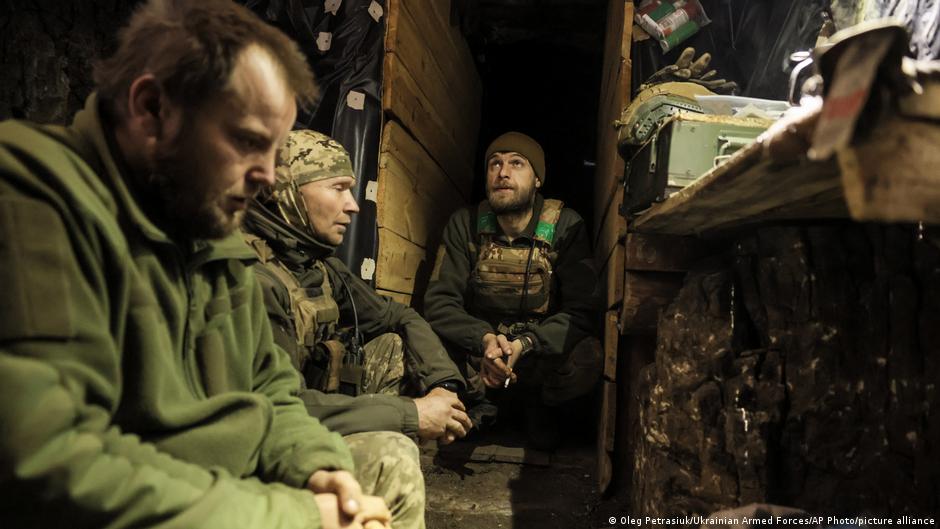
On May 6, a unilateral ceasefire proposed by Ukrainian President Volodymyr Zelensky took effect overnight as an alternative to Russia's announced limited ceasefire for May 8-9, but Russian forces continued military attacks on several Ukrainian regions. This ongoing conflict has significant implications beyond the battlefield, affecting household finances, currency stability, and the confidence of everyday investors.
Impact of Conflict on Personal Finance and Consumer Stability
Despite the ceasefire initiative, Russian forces launched missile and drone attacks targeting industrial and urban areas in Zaporizhzhia, Kharkiv, Sumy, Donetsk, and Dnipropetrovsk regions. The persistence of military action threatens the fragile economic environment in Ukraine, disrupting supply chains and increasing uncertainty for consumers and investors alike.
"Human life holds far greater value than commemorations," Zelensky stated, emphasizing the urgency of peace for the nation's wellbeing.
Such instability directly affects household budgets through rising prices and scarcity of goods, as well as creating volatility in the Ukrainian hryvnia. For households already struggling with inflation and economic hardship, additional shocks from the conflict exacerbate financial insecurity.
Furthermore, the conflict undermines confidence in financial markets and savings instruments. The risk of further escalation could deter foreign investment, reduce liquidity, and increase currency fluctuations, making everyday investment decisions more challenging for ordinary Ukrainians.
Ceasefire Efforts and Future Outlook
Earlier in the week, Russia declared a unilateral ceasefire on May 8-9 to commemorate Victory Day, accompanied by threats of massive retaliatory strikes if Ukraine interfered. Ukraine responded by proposing an earlier ceasefire starting May 6, conditional upon reciprocal action by Russia. Kyiv has expressed willingness to maintain the ceasefire if Russia ceases attacks, yet the continuation of military strikes casts doubt on this prospect.
The ongoing conflict's toll extends beyond immediate human loss, penetrating the economic fabric of Ukrainian society. With over 20 casualties reported from recent strikes in Dnipro, Zaporizhzhia, and Kramatorsk alone, the human and financial costs continue to mount.
For consumers and investors, the message is clear: volatility and uncertainty remain high. Households should brace for continued disruptions to daily life and finances. Investors and savers would be wise to monitor currency and market developments closely, seeking to mitigate risk amid the ongoing geopolitical strife.