Drone Strikes on Russian Industrial Sites Raise Concerns for Household Budgets and Markets
Recent UAV attacks on key Russian chemical and oil facilities may disrupt supply chains, impacting consumer prices and investor confidence.
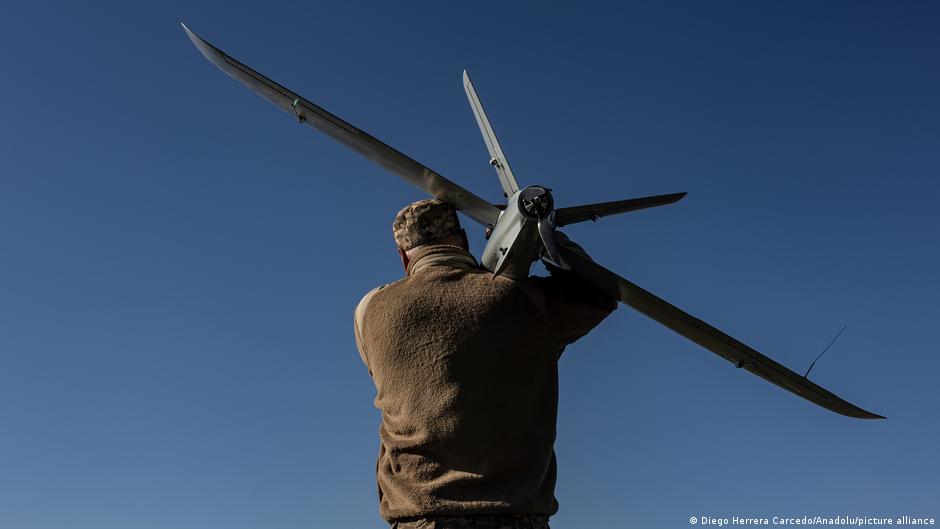
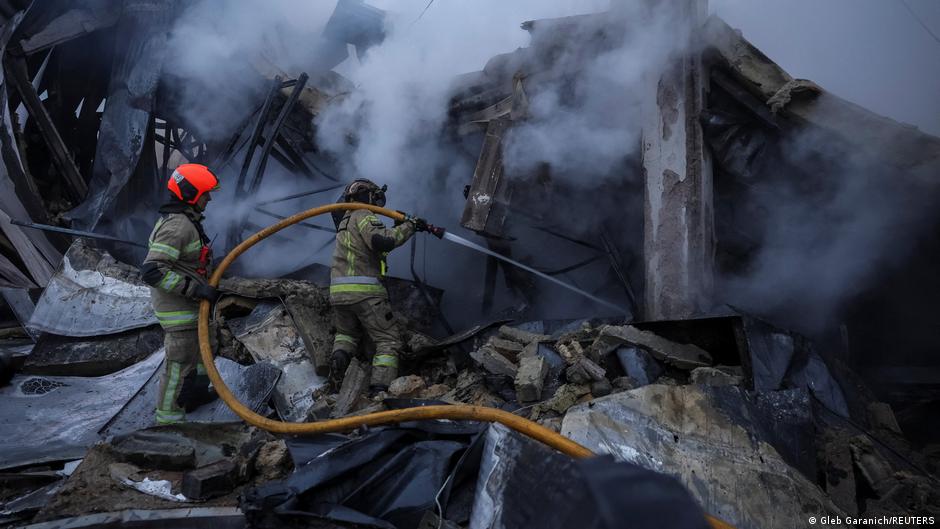
In the early hours of June 14, multiple regions in Russia experienced a series of drone attacks targeting industrial facilities and residential areas. The assaults, reportedly carried out by Ukrainian unmanned aerial vehicles (UAVs), caused fires at several sites, including a major chemical plant and a fuel storage facility, raising alarms about potential repercussions for household finances, commodity prices, and local economies.
Impact on Industrial Production and Consumer Markets
Among the hardest hit was the Azot chemical plant in Novomoskovsk, Tula region, a significant producer of nitrogen fertilizers and key chemical components such as acetic and nitric acids. These chemicals are essential not only for agriculture but also for specialized industrial applications. The plant also produces precursors for explosives, underscoring its strategic importance.
"The emergency response teams are actively working to assess the extent of the damage," said Dmitry Milyaev, Governor of Tula Oblast, emphasizing the ongoing efforts to contain the situation.
Damage to such a facility may disrupt fertilizer production, potentially affecting agricultural supply chains and leading to increased costs for farmers and consumers. Given that fertilizers play a crucial role in crop yields, any prolonged shortage may translate into higher food prices, squeezing household budgets.
Additionally, the attacks extended to oil-related infrastructure near Rybinsk in Yaroslavl region and the "Nizhnekamskneftekhim" plant and "Taneco" refinery in Tatarstan, both prominent players in Russia's petrochemical sector. Interruptions in oil refining and chemical production could ripple through fuel and commodity markets, adversely impacting transportation costs and everyday consumer goods.
Wider Economic and Financial Implications
The drone strikes have also prompted aerial traffic restrictions in several regions, including Tambov, Kaluga, Nizhny Novgorod, and Yaroslavl, as reported by the Federal Air Transport Agency. Such disruptions may further complicate logistics and supply chains.
From a personal finance perspective, these incidents can contribute to increased inflationary pressures. Higher energy and fertilizer prices may lead to elevated costs in food and transportation, which constitute significant portions of household expenditures. For everyday investors, instability in energy and chemical sectors might translate into increased volatility in related stocks and commodities, challenging portfolio stability.
Moreover, the strikes highlight vulnerabilities in regional infrastructure, which could affect investor confidence in affected areas. Homeowners and renters near targeted sites, such as in Orel where a drone reportedly struck a residential building causing a multi-floor fire, may face property damage risks and insurance cost increases.
As safety measures and emergency responses evolve, consumers might also experience indirect costs, including increased security spending and potential disruptions in daily services.
In summary, the recent drone attacks on Russian industrial and residential sites underscore potential risks to economic stability and consumer well-being. Households should monitor developments closely, especially regarding food and energy prices, while investors may need to reassess exposure to vulnerable sectors.